Nigeria’s Telecom Sector Hit as Criminal Groups Loot Infrastructure in 14 States

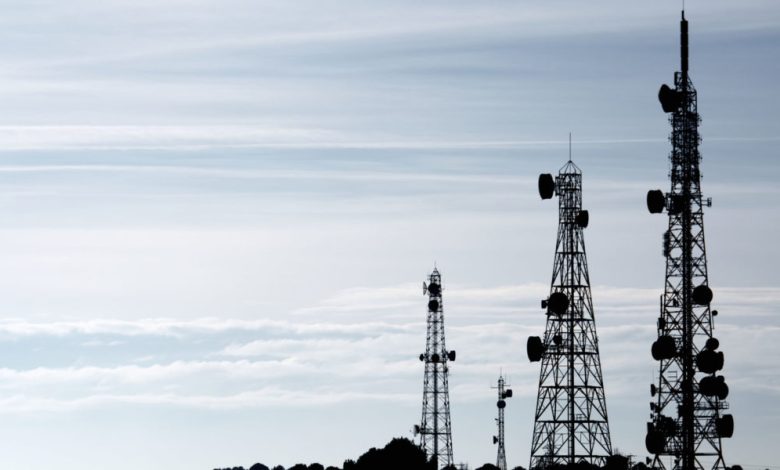
Nigeria’s telecommunications industry is facing renewed pressure following widespread attacks on critical infrastructure across multiple states with criminal groups targeting network assets and disrupting services.
Industry data indicates that hundreds of telecom facilities, including base stations, power systems and transmission equipment, have been vandalised or stolen across at least 14 states.
The scale of the damage has begun to affect service quality, with operators reporting outages, network instability and increased maintenance challenges.
The incidents have forced telecom companies to ramp up spending on repairs, security and asset replacement, pushing operational costs higher at a time when the sector is already grappling with inflation and currency pressures. These added expenses are expected to weigh on profitability and could ultimately impact service pricing.
Analysts warn that continued attacks on telecom infrastructure pose a significant threat to Nigeria’s digital economy, which relies heavily on stable connectivity to support financial services, e-commerce, education and government operations. Disruptions to network services could slow digital adoption and reduce efficiency across key sectors.
The telecom industry remains a critical pillar of economic activity, enabling millions of transactions daily and supporting business operations nationwide.
However, the increasing frequency of infrastructure attacks highlights underlying security challenges that could undermine long-term growth.
Operators have called for stronger collaboration with security agencies and government authorities to protect critical national infrastructure. There are also growing concerns that without improved protection measures, the trend could discourage further investment in network expansion, particularly in underserved and high-risk areas.
The development comes amid broader concerns about infrastructure vulnerability in Nigeria, where power, transport and communications assets have faced recurring disruptions.
For telecom operators, safeguarding network infrastructure is becoming an urgent priority as they seek to maintain service reliability and customer confidence.
Market watchers say addressing the issue will require coordinated efforts between regulators, security agencies and private sector players to ensure the sustainability of the telecom sector. Without decisive action, continued losses could weaken the foundation of Nigeria’s growing digital economy and limit its capacity to support future innovation.