Kled Removes Nigeria From App Store Over Alleged 95% Fraud Rate, Fake KYC Uploads

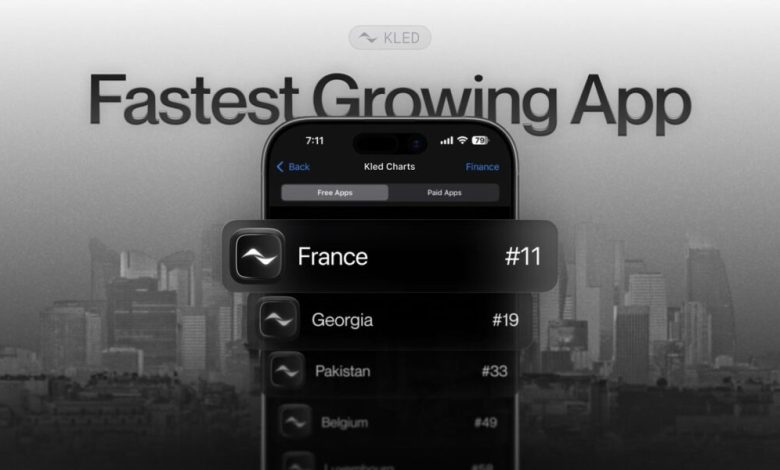
A startup operating in the artificial intelligence data collection space, Kled, has removed its application from the Nigerian App Store and blocked access from the region after alleging that about 95 percent of uploads from Nigeria were fraudulent.
The announcement was made by Kled founder, Avi Patel, in a statement posted on X, where he said the company detected widespread abuse of its platform through fake uploads and manipulated identity documents.
According to Patel, Kled users globally have uploaded more than one billion assets to the platform since the company exited beta testing about four months ago.
The startup said it has paid hundreds of thousands of users for contributing data used for artificial intelligence training and development.
However, Patel alleged that uploads originating from Nigeria were dominated by unusable and fraudulent submissions, including black screen images, duplicate pictures, internet-generated images and AI-generated content.
The founder stated that the scale of abuse in Nigeria was significantly higher than in other emerging markets where the company operates.
He said countries such as Malaysia, Indonesia and the Philippines recorded fraud rates below 10 percent despite having much larger user bases.
Patel further claimed that the company’s Know Your Customer (KYC) verification system was recently overwhelmed with thousands of allegedly fake Japanese passports and identity cards carrying photoshopped images of Nigerians.
He described the incident as the “final straw” that forced the company to suspend operations in the country temporarily while it upgrades its fraud detection and account banning systems.
“As a startup we can’t afford to eat the costs of that data overhead, so we temporarily removed the app from the region while we improved our fraud detection and banning system,” Patel said.
The company maintained that the decision was not targeted at Nigerians generally, noting that some of its earliest adopters and supporters came from the country.
Kled added that it intends to return to the Nigerian market once it develops stronger systems capable of filtering fraudulent activity more effectively.
The development highlights growing concerns among global technology startups about digital fraud, fake identity documentation and abuse of AI training platforms, particularly in regions with weak digital verification systems.
Nigeria remains one of Africa’s largest digital markets with a rapidly growing population of young internet users.
However, concerns around online fraud and cybercrime continue to affect the country’s reputation among international technology firms and payment companies.
While Kled did not disclose the exact number of Nigerian users affected by the suspension, the company confirmed that the restriction currently includes both App Store removal and IP blocking across the region.