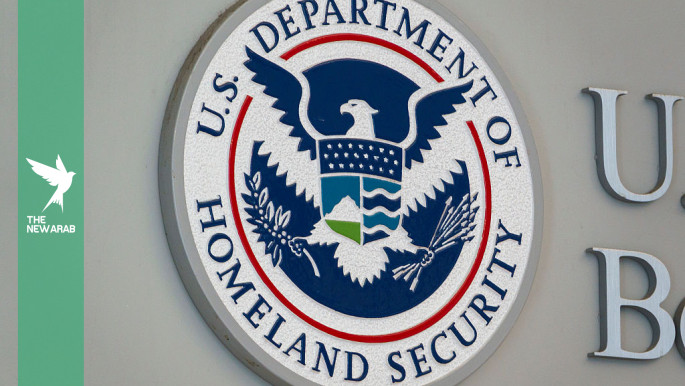
In the notice on Wednesday, the US Department of Homeland Security said Secretary Markwayne Mullin had not had adequate time to review Lebanon’s designation and that it was allowed to renew automatically. [Getty]
The Trump administration will extend deportation protections and work permits for thousands of Lebanese nationals in the US for six months, according to a notice posted to the Federal Register on Wednesday.
Some 11,000 people from Lebanon are covered under the Temporary Protected Status designation, according to a 2024 estimate. With the extension, they will be allowed to live and work legally in the US through 27 November, according to the notice.
US President Donald Trump’s administration has moved to end the vast majority of enrollment in the TPS program, saying allowing those immigrants to remain goes against US interests.
Created by Congress in 1990, TPS provides deportation relief and work permits to people already in the US if their home countries experience a natural disaster, armed conflict or other extraordinary event. Countries must be designated for the status by the homeland security secretary for periods of six to 18 months.
In the notice on Wednesday, the US Department of Homeland Security said Secretary Markwayne Mullin had not had adequate time to review Lebanon’s designation and that it was allowed to renew automatically.
The notice cites tensions in the region linked to the US-Israeli war on Iran, and Israel pounded Lebanon, killing over 3,000 people since March.
Mullin, a former US senator from Oklahoma, was confirmed as secretary in March after Trump fired Kristi Noem.
As secretary, Noem had terminated TPS for countries as they came up for renewal, triggering lawsuits that claimed the terminations lacked proper review and were motivated by racial animus.
The Supreme Court in April heard oral arguments over the terminations of TPS for Haitians and Syrians, with a ruling expected by the end of the court’s term in late June or early July.