តាមរាបសួរ,
Victoria from Techpoint here,
Here’s what I’ve got for you today:
- NCC and CAC tighten the screws on telecom ownership changes
- Africa’s EV darling Spiro raises $55 million again
- US-Iran peace talks offer lifeline to MTN’s frozen asset
- DStv Stream will now come preloaded on Samsung TVs
NCC and CAC tighten the screws on telecom ownership changes
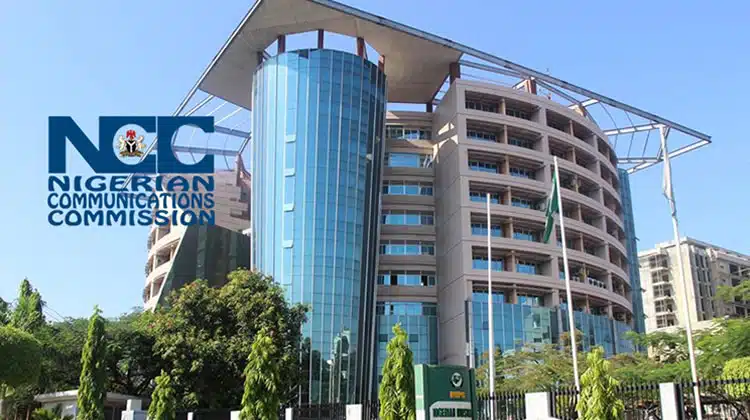
Nigeria’s telecom sector has just received a new layer of regulatory oversight. The Nigerian Communications Commission (NCC) and the Corporate Affairs Commission (CAC) have announced that any transfer of 10% or more of a telecom company’s shares will now require prior approval from the NCC before it can be registered by the CAC. In practical terms, major ownership changes can no longer happen quietly behind the scenes; regulators want visibility before the paperwork is signed off.
The move affects some of Nigeria’s most strategic companies, including telecom operators, infrastructure providers, and other communications licensees. The NCC says the new framework is designed to preserve competition, prevent anti-competitive ownership arrangements, and ensure that major investors entering the sector are properly scrutinised. For telecom companies, investors, and private equity firms, the new process adds another checkpoint before large transactions can be completed.
Nigerian telecoms have become critical national infrastructure, powering everything from banking apps and eCommerce to digital identity systems. Regulators increasingly view the sector as too important to allow significant ownership shifts without oversight. The latest rules reflect a broader trend of tighter supervision across the industry as telecom companies become more central to the economy.
In January 2026, the NCC gave operators a 45-day compliance window to regularise shareholding changes that may have occurred without prior approval, warning that enforcement actions would follow. The regulator has also spent the past year reviewing governance, licensing and competition frameworks as it seeks greater control over how the sector evolves. The new ownership rule appears to be the next step in that broader regulatory tightening.
The decision comes at a time when Nigeria’s telecom industry is navigating major changes. Operators are dealing with rising operating costs, regulatory reforms, infrastructure expansion and increasing investor interest in digital assets. Against that backdrop, the NCC wants to ensure that mergers, acquisitions, and large share sales do not undermine competition or create risks for consumers. The message from regulators is clear: telecom ownership is no longer just a corporate matter; it is now a strategic issue that will face closer government scrutiny than ever before.
Africa’s EV darling Spiro raises $55 million again

On June 22, 2026, electric mobility startup Spiro announced yet another major funding round, securing $55 million just three weeks after raising $215 million in equity. The fresh capital comes at a time when investors are increasingly backing companies building the infrastructure behind Africa’s clean transport transition, rather than simply selling electric vehicles. The latest deal extends a remarkable fundraising streak that has turned Spiro into one of the continent’s most heavily financed climate-tech companies.

Victoria Fakiya – Senior Writer
Techpoint Digest
Stop struggling to find your tech career path
Discover in-demand tech skills and build a standout portfolio in this FREE 5-day email course
The significance of the new funding goes beyond the size of the cheque. Spiro is betting that Africa’s electric vehicle future will be won by whoever controls the charging and battery-swapping network. The company operates thousands of battery-swapping stations and more than 100,000 electric motorcycles across multiple African markets. By raising capital in rapid succession, Spiro is building the expensive infrastructure needed to make electric motorcycles practical for commercial riders who depend on their bikes for daily income.
Investors appear convinced by that thesis. The latest raise follows a $215 million equity round announced on June 1, 2026, one of the largest disclosed investments in Africa’s electric mobility sector. Before that, Spiro secured $50 million in debt financing in February 2026 from backers, including Afreximbank, Nithio, and Africa Go Green Fund. The company had also raised $100 million in October 2025, then billed as Africa’s largest electric mobility investment. Taken together, those transactions show a company attracting capital at a pace rarely seen in Africa’s startup ecosystem.
Founded in 2022, Spiro focused on solving a major problem facing electric motorcycles in Africa: charging downtime. Instead of waiting hours for batteries to charge, riders can swap depleted batteries for fully charged ones in minutes. That model helped the company scale rapidly across markets, including Nigeria, Kenya, Rwanda, Uganda, Benin and Togo. Along the way, it expanded assembly operations, grew its swap-station network and positioned itself as one of Africa’s largest EV operators.
Now the pressure shifts from fundraising to execution. The company recently brought in former Indofast Energy executive Anant Badjatya as group CEO, signalling its ambition to scale battery-swapping infrastructure using lessons from India’s more mature EV market. With $557 million, more than half a billion dollars, raised overall and plans to expand into new markets such as Ethiopia and the Democratic Republic of Congo, Spiro is no longer just an electric motorcycle company. It is increasingly becoming an energy infrastructure business, betting that Africa’s transport future will run on batteries rather than petrol.
US-Iran peace talks offer lifeline to MTN’s frozen assets

MTN says it would welcome any breakthrough in negotiations between the United States and Iran after reports emerged that the two countries had signed a memorandum of understanding as a precursor to a broader peace deal. One of the most significant provisions, per MyBroadband, under discussion is the removal of U.S. sanctions on Iran. This move could finally allow MTN to exit its long-troubled investment in Irancell, the Iranian mobile operator in which it owns a 49% stake.
For MTN, the stakes are high. The telecom giant has been trying to leave the Middle East since 2020, having already sold operations in Syria, Afghanistan and Yemen. Iran remains the last major hurdle. Years of U.S. sanctions have effectively trapped MTN’s investment, preventing the company from moving money into or out of the country. Group CEO Ralph Mupita previously described the stake as a “frozen asset”, with around R2.3 billion inaccessible because of restrictions imposed by Washington.
Here’s a backstory: In September 2019, the U.S. Treasury’s Office of Foreign Assets Control sanctioned Iran’s central bank, accusing it of helping fund groups including Hezbollah and the Islamic Revolutionary Guards Corps. The sanctions came shortly after attacks on Saudi Arabian oil facilities, which Washington blamed on Tehran. The restrictions tightened Iran’s isolation from the global financial system and left foreign investors like MTN with few options beyond waiting for a political solution.
The situation has only become more painful over time. Iran’s economy has deteriorated sharply, particularly since 2025, with the rial losing as much as 45% of its value against the U.S. dollar amid ongoing tensions involving Iran, Israel and the United States. MTN’s latest financial results show that outstanding receivables from Iran fell to R2.8 billion, while its share of earnings from Irancell dropped 32% year-on-year to R3.2 billion. Even if sanctions are eventually lifted, there are growing concerns about how much value will remain in the business after years of economic turmoil.
That is why investors are watching the latest U.S.-Iran talks closely. The memorandum reportedly commits Washington to ending various sanctions as part of a final agreement, although the timing and conditions remain unclear. Analysts say any sanctions relief is likely to happen gradually as both sides meet their commitments. MTN has declined to speculate on what a deal would mean for the company but says it would welcome any return to regional stability. For now, the telecom remains on the sidelines, monitoring developments and hoping a diplomatic breakthrough can unlock one of the most problematic investments in its portfolio.
DStv Stream will now come preloaded on Samsung TVs
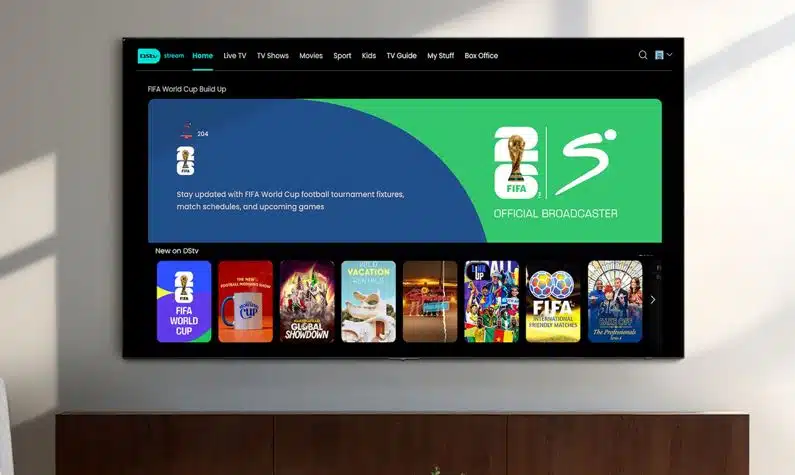
The latest move in Africa’s streaming wars comes from DStv. From June 2026, the DStv Stream app will come pre-installed on all new Samsung smart TVs sold across 18 English- and Portuguese-speaking African markets, including Nigeria, Kenya, South Africa, Uganda, Zambia, and Zimbabwe. Instead of searching an app store and downloading the service, buyers will find DStv Stream sitting on the TV home screen alongside platforms like Netflix and YouTube from the moment they switch on the device.
The deal may sound minor, but it is actually a major distribution win for MultiChoice and its parent company, Canal+. In streaming, convenience matters. The closer a service is to consumers, the more likely they are to use it. By securing a permanent place on Samsung’s interface, DStv gains visibility in millions of living rooms and reduces the friction involved in getting users onto its platform. It is the same strategy global streaming giants have used for years to boost engagement and subscriber growth.
The announcement also highlights how quickly DStv’s business is evolving. For decades, DStv was synonymous with satellite dishes and decoders. But consumer habits have shifted toward Internet streaming, especially among younger audiences who increasingly watch content on smart TVs, phones, and tablets. DStv Stream now offers live sports, entertainment, movies and television channels without requiring a decoder, allowing customers to subscribe and watch entirely online.
The groundwork for this transition has been years in the making. MultiChoice first launched DStv’s streaming services on mobile devices before expanding to connected TVs. Back in August 2018, the company released dedicated apps for Samsung smart TVs as part of an effort to turn televisions into DStv hubs without requiring satellite hardware. Since then, DStv Now became DStv Stream, streaming subscriptions became a bigger part of the business, and Canal+ steadily increased its influence before taking control of MultiChoice.
What’s more, Canal+ has been integrating its African media assets and looking for ways to strengthen streaming distribution across the continent. The Samsung partnership gives DStv Stream immediate reach at a time when African consumers are gradually moving away from traditional pay-TV models toward internet-based viewing. The battle is no longer just about who owns the best content; it is increasingly about who controls access to viewers. By securing space on one of Africa’s most popular smart-TV brands, DStv has taken an important step in that fight.
In case you missed it
What I’m watching
Opportunities
- Qore is hiring for several positions. Apply here.
- Oui Capital has an exclusive AI mixer coming up on June 26. Interested founders, researchers, and engineers should apply here. Apply here.
- inDrive is hiring to fill several vacancies in different countries. Apply here.
- Are you a female-led tech or tech-enabled business preparing for sustainable growth and opportunity to access capital? Apply for the Female Founders Growth Programme and grab up to $2 million. Apply here.
- Bamboo is hiring in Ghana and Nigeria. Apply here.
- Cowrywise is recruiting some engineers. Apply here.
- PiggyVest is looking for a Product Technical Manager. Apply here.
- Paystack is hiring for a few roles. Apply here.
- Moniepoint is recruiting for several roles. Apply here.
- Flutterwave is hiring for several roles in Nigeria, the UK, and the US. Apply here.
- As one of Techpoint Africa’s most engaged readers, you have a direct hand in shaping what we publish next. Take our quick, 3-minute survey to tell us the stories and features you value most. Your responses are anonymous, and your feedback will help guide our editorial focus in the months ahead. Fill the survey here.
- Moniepoint is hiring for over 100 roles. Apply here.
- To pitch your startup or product to a live audience, check out this link.
- Follow Techpoint Africa’s WhatsApp channel to stay on top of the latest trends and news in the African tech space here.
Have a lovely Tuesday ahead!
Victoria Fakiya for Techpoint Africa