Nigeria’s Currency Flow Remained Largely Outside the Formal Banking System in May

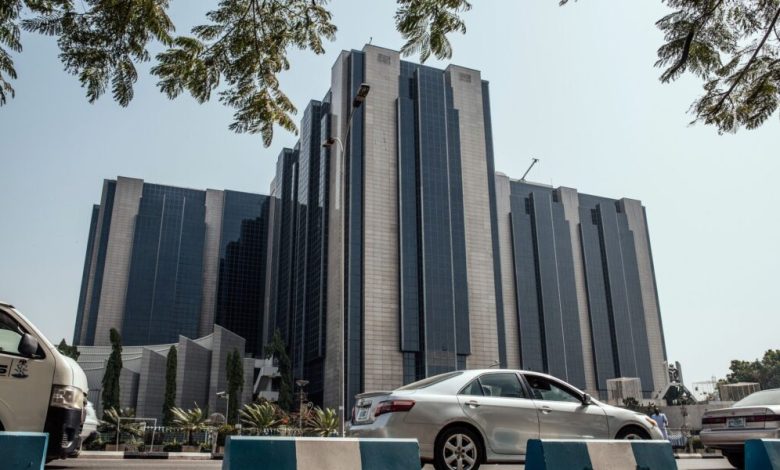
Despite rapid growth in electronic payments and fintech adoption, Nigeria’s economy remained heavily cash-driven in May 2026 with most currency in circulation held outside the banking sector.
Data released by the Central Bank of Nigeria (CBN) showed that cash held by individuals and businesses outside deposit money banks rose to ₦5.19 trillion in May, representing an increase from the previous month.
The figure highlights the enduring preference for cash transactions across various segments of the economy, even as electronic payment channels continue to gain traction.
The latest figures indicate that total currency in circulation stood at ₦5.69 trillion during the month, meaning only a relatively small fraction of available cash was retained within the formal banking system.
The trend suggests that a substantial volume of money continues to circulate through informal channels rather than passing through regulated financial institutions.
On an annual basis, both currency in circulation and cash held outside banks recorded notable increases, reflecting the broader expansion of money supply and economic activity. While the proportion of cash outside banks has eased slightly compared to the same period last year, it remains exceptionally high by global standards.
The persistence of large cash holdings presents a challenge for policymakers seeking to improve monetary policy effectiveness.
Funds that remain outside the banking sector are less likely to be mobilised for lending, investment, and other productive economic activities, reducing the efficiency of financial intermediation.
The development comes at a time when the CBN is intensifying efforts to deepen financial inclusion and strengthen confidence in digital financial services.
The apex bank has set ambitious targets aimed at bringing millions of Nigerians into the formal financial ecosystem over the next few years while reducing reliance on cash-based transactions.
Recent initiatives under the Nigeria Payments System Vision 2028 seek to encourage broader adoption of electronic payments, mobile banking solutions, agency banking networks, and other financial technologies designed to make banking services more accessible.
Despite these efforts, the May data suggests that behavioural and structural factors continue to support strong demand for physical cash.
Limited access to banking infrastructure in some areas, concerns about transaction costs, network reliability issues, and the size of Nigeria’s informal economy remain key drivers of cash usage.
Meanwhile, banking sector reserves recorded a decline on a month-to-month basis, although reserve levels remained stronger than those recorded a year earlier.
The increase in reserves over the longer term points to improved liquidity conditions within the financial system despite recent fluctuations.
Looking ahead, the success of the CBN’s strategy will depend on its ability to encourage greater trust in formal financial channels while expanding access to reliable and affordable digital payment solutions.
Achieving a meaningful reduction in cash held outside banks could strengthen liquidity, improve credit creation, and enhance the effectiveness of monetary policy across the economy.