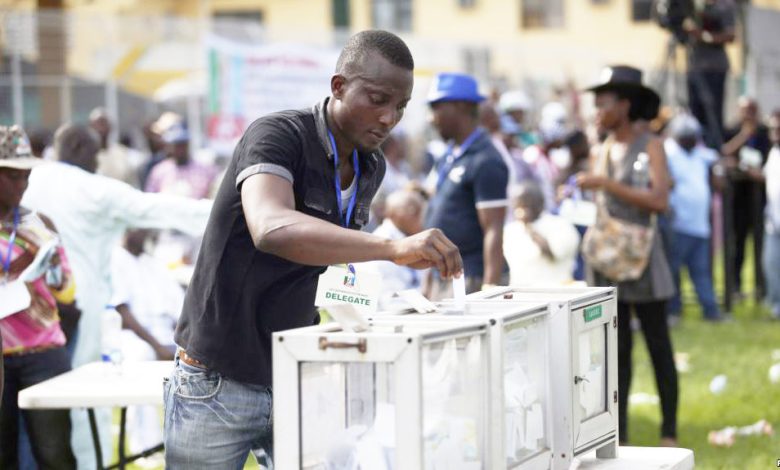
The Centre for the Promotion of Private Enterprise (CPPE) has cautioned that the build-up to Nigeria’s 2027 general elections could create new economic challenges if rising political activities begin to influence fiscal management and policy implementation.
In its outlook for the second half of 2026, the economic policy think tank said the country is entering a period where increased campaign-related spending and political engagements may have unintended consequences for inflation, foreign exchange demand and the broader reform agenda.
According to the report, election-related expenditures have the potential to inject significant liquidity into the economy, increasing money circulation at a time when monetary authorities are working to keep inflation under control.
Such developments, CPPE noted, could also place additional pressure on Nigeria’s foreign exchange market as demand for foreign currencies rises.
The organisation further warned that the growing intensity of political activities could divert the attention of policymakers from implementing critical economic reforms needed to sustain the country’s recovery.
It said maintaining policy consistency will be essential to preserving investor confidence and ensuring that ongoing fiscal and structural reforms are not slowed by political considerations.
Despite these concerns, CPPE maintained that Nigeria’s economy is expected to record gradual growth during the second half of the year.
The report identified financial services, telecommunications, construction, trade, petroleum refining and other service-oriented industries as sectors likely to support economic expansion over the coming months.
The think tank also expressed optimism that inflationary pressures could continue to ease compared with 2025 levels, while exchange rate stability may be supported by stronger foreign exchange inflows, healthier external reserves and improving market confidence.
However, CPPE observed that recent improvements in key macroeconomic indicators have yet to translate into meaningful gains for businesses and households.
It noted that many enterprises continue to struggle with high production costs, expensive borrowing, inadequate electricity supply, weak transport infrastructure, logistics challenges and persistent insecurity.
According to the report, these structural constraints continue to undermine productivity, discourage investment and limit the ability of businesses to expand operations despite improvements in the broader economic environment.
The organisation also pointed to delays in public capital projects, funding limitations and rising debt-servicing obligations as factors reducing the effectiveness of government spending in stimulating economic growth.
To strengthen the recovery, CPPE urged the Federal Government to prioritise reforms that reduce the cost of doing business rather than introducing additional tax burdens.
It recommended improvements in electricity supply, transport networks, logistics systems and port operations, alongside stronger security in farming communities and expanded access to affordable long-term financing for businesses.
The report added that improving productivity and the competitiveness of Nigerian enterprises should become the next phase of the country’s reform programme, arguing that stable macroeconomic indicators alone are insufficient to deliver broad-based economic prosperity.
As political activities gather pace ahead of the 2027 elections, economists say preserving macroeconomic stability while sustaining reform momentum will be crucial to ensuring that short-term political developments do not undermine Nigeria’s long-term economic objectives.