
Tungjatjeta,
Victoria from Techpoint here,
Here’s what I’ve got for you today:
- MTN and Telecel get a shot at Ghana’s 5G rollout
- Uber, Bolt fares could jump under new Kenyan rules
- Safaricom’s new ownership era faces first test
MTN and Telecel get shot at Ghana’s 5G rollout

Ghana is throwing open its 5G market after abandoning its plan to let a single company build the country’s next-generation mobile network. The government has revoked the exclusive licence previously granted to Next Gen Infraco (NGIC) and is preparing to auction 5G licences to telecom operators, with MTN Ghana and Telecel Ghana already confirming they’ll bid. The auction is expected to begin within weeks, marking a major shift in Ghana’s approach to rolling out 5G.
The move replaces a monopoly model with competition. Under the previous plan, NGIC was supposed to build a wholesale 5G network that all mobile operators would use. But the rollout has been painfully slow. By March 2026, only 49 5G sites had been deployed, far below the government’s target of 1,200 sites by 2027. Officials now believe allowing operators to build and run their own 5G networks will accelerate deployment, improve service quality, and encourage more investment.
Ghana is one of the few major African telecom markets without commercial 5G services. While countries like South Africa, Kenya, and Nigeria have spent the past few years expanding their 5G networks, Ghana has lagged behind. According to GSMA Intelligence, Ghana could reach around 7% population coverage by the end of 2026 if commercial deployment begins soon, compared with roughly 22% in Nigeria, 38% in Kenya, and more than 60% in South Africa. Faster 5G could unlock new opportunities in cloud computing, AI, fintech, manufacturing, and smart cities.
The previous administration backed NGIC’s wholesale model, hoping it would lower infrastructure costs and prevent MTN, already the country’s dominant operator, from extending its lead. NGIC partnered with Radisys, a subsidiary of Reliance Industries, to build the network. However, after taking office in 2025, Communications Minister Sam George criticised the slow rollout. In 2026, Ghana’s communications regulator signalled it would scrap NGIC’s exclusive licence, paving the way for this week’s decision to open the market to competitive bidding.
For consumers, the change could mean faster access to high-speed mobile internet and better competition among telecom operators. For MTN and Telecel, this offers a chance to shape Ghana’s 5G future directly instead of relying on a third-party network. More broadly, the decision shows that African governments are becoming more willing to rethink digital infrastructure strategies when they fail to deliver, choosing competition over exclusivity in the race to build the continent’s next generation of connectivity.
Uber, Bolt fares could jump under new Kenyan rules

Kenya’s ride-hailing industry is heading for a major shake-up, and passengers could soon feel it in their pockets. The government is preparing new rules that would force platforms such as Uber and Bolt to guarantee drivers a minimum payment for every trip. The proposed changes are designed to improve earnings for drivers, but the companies warn that the move could significantly push up fares and reduce demand for app-based rides.

Victoria Fakiya – Senior Writer
Techpoint Digest
Stop struggling to find your tech career path
Discover in-demand tech skills and build a standout portfolio in this FREE 5-day email course
At the centre of the dispute is a simple question: how much should drivers earn from each trip? Under the proposed 2026 Transport Network Company regulations, ride-hailing platforms would have to ensure drivers and motorcycle riders receive a minimum payout before commissions, taxes, and other deductions. The government argues that drivers have struggled with rising fuel, insurance and maintenance costs, while platforms say forcing higher minimum payments could make rides too expensive for customers.
Ride-hailing has become a major part of urban transport in Kenya, especially in cities like Nairobi and Mombasa. Millions of passengers now rely on apps for daily movement, while thousands of drivers depend on them for income. But behind the convenience has been a growing tension: drivers say low fares and platform commissions have made it harder to cover operating costs, while companies argue affordable pricing is what keeps customers using their services.
Kenya introduced regulations for transport network companies in 2022, including a cap limiting platform commissions to 18%, but disputes between drivers and ride-hailing firms continued. By 2024, some Kenyan drivers were already rejecting app-generated fares, arguing that prices had fallen too low amid rising living costs. Some began negotiating higher prices directly with passengers, highlighting the growing gap between platform pricing models and drivers’ realities.
The latest proposal could reshape Kenya’s ride-hailing market. If implemented, drivers may earn more predictable incomes, but passengers could face higher prices and fewer discounted rides. For Uber, Bolt and other platforms, the challenge will be finding a balance between keeping rides affordable, retaining drivers and complying with a government that wants the industry to become more sustainable.
Safaricom’s new ownership era faces first test
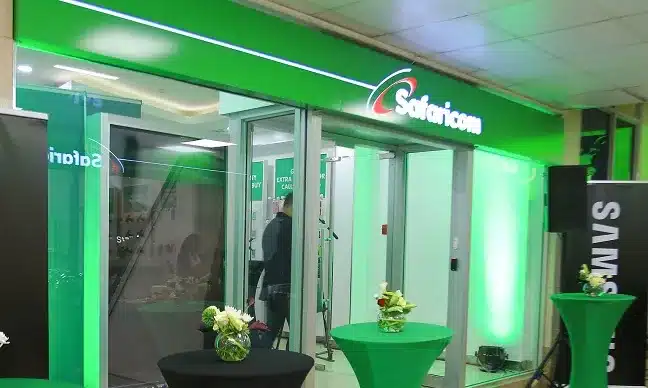
Safaricom is preparing for a major shareholder vote that could reshape how the telecom giant is run. On July 31, 2026, shareholders will decide whether to approve changes that would give Vodafone Kenya, now controlled by South Africa’s Vodacom Group, the power to nominate Safaricom’s chief executive as long as it remains the company’s majority shareholder. The board would still have to approve the appointment, but the move would give Vodacom a much bigger say in the future leadership of one of Africa’s most valuable telecom companies.
The vote matters because it is the first major test of Safaricom’s new ownership structure. On June 30, 2026, Vodacom completed the purchase of an additional stake in Safaricom, taking its ownership to about 55% after buying the Kenyan government’s 15% stake and an additional effective stake from Vodafone Group. The Kenyan government now retains a 20% stake, while the remaining shares are held by public investors on the Nairobi Securities Exchange.
Beyond the CEO appointment, the proposed changes would update Safaricom’s governance rules to reflect its new reality. The amendments include changes around board representation, allowing shareholders such as Vodafone Kenya and other major investors to appoint directors based on their ownership levels. The company says the proposals are being presented for shareholders to decide, with each resolution requiring approval through a special vote.
Safaricom began as a partnership between Kenya’s telecommunications sector and Vodafone, which acquired a significant stake in the company in 2000. The company later listed on the Nairobi Securities Exchange in 2008, allowing public investors to own part of the business. The government’s decision to sell its remaining stake was announced in late 2025, sparking debate about whether Kenya was giving up too much control over a company considered a national technology asset.
For customers, the big question is what this ownership shift means for Safaricom’s future. The company is not just a telecom operator; it runs M-Pesa, one of Africa’s most successful mobile money platforms and has expanded into Ethiopia and other digital services. Supporters argue that Vodacom’s increased control could attract more investment and spur regional growth, while some worry about how decisions on leadership and strategy will change. The upcoming vote will determine how Safaricom balances its Kenyan identity with its new majority ownership structure.
In case you missed it
What I’m watching
Opportunities
- Visa is hiring for several roles across many countries. Apply here.
- Qore is hiring for several positions. Apply here.
- inDrive is hiring to fill several vacancies in different countries. Apply here.
- Are you a female-led tech or tech-enabled business preparing for sustainable growth and opportunity to access capital? Apply for the Female Founders Growth Programme and grab up to $2 million. Apply here.
- Bamboo is hiring in Ghana and Nigeria. Apply here.
- Cowrywise is recruiting some engineers. Apply here.
- PiggyVest is looking for a Product Technical Manager. Apply here.
- Paystack is hiring for a few roles. Apply here.
- Moniepoint is recruiting for several roles. Apply here.
- Flutterwave is hiring for several roles in Nigeria, the UK, and the US. Apply here.
- As one of Techpoint Africa’s most engaged readers, you have a direct hand in shaping what we publish next. Take our quick, 3-minute survey to tell us the stories and features you value most. Your responses are anonymous, and your feedback will help guide our editorial focus in the months ahead. Fill the survey here.
- Moniepoint is hiring for over 100 roles. Apply here.
- To pitch your startup or product to a live audience, check out this link.
- Follow Techpoint Africa’s WhatsApp channel to stay on top of the latest trends and news in the African tech space here.
Have a fun weekend!
Victoria Fakiya for Techpoint Africa