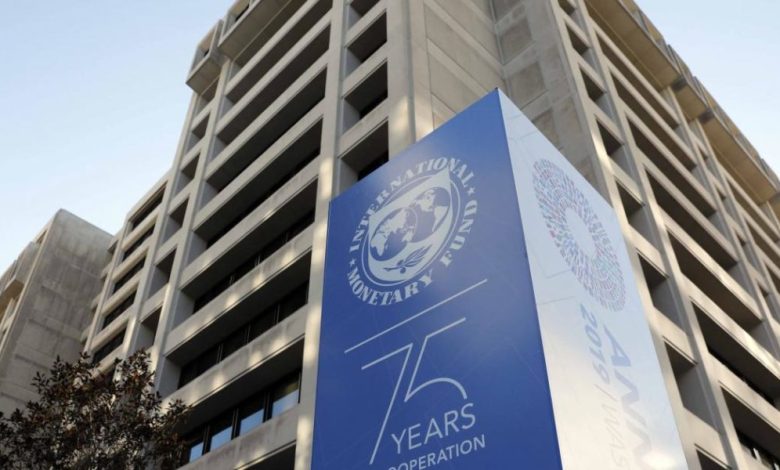
The International Monetary Fund (IMF) has disclosed that government expenditure equivalent to about 2% of Nigeria’s Gross Domestic Product (GDP) was omitted from recent official budget records, creating a gap between the country’s reported fiscal deficit and its actual financing requirements.
Speaking at a business forum in Lagos on Wednesday, the IMF’s Resident Representative in Nigeria, Christian Ebeke, said the unreported expenditure has resulted in a statistical discrepancy that understates the country’s true fiscal position.
According to Ebeke, part of the spending relates to major government projects executed outside the formal budget framework, making it more difficult to accurately assess Nigeria’s fiscal performance and the scale of public investment.
He explained that while the government has financed these expenditures, they were not fully reflected in budget documents or implementation reports, causing the reported fiscal deficit to appear lower than the actual level of borrowing required to support government operations.
Ebeke said the IMF estimates that the value of these unrecorded expenditures amounts to approximately 2% of Nigeria’s GDP and stressed the need for the spending to be properly captured in official fiscal accounts.
He noted that Nigerian authorities have already begun addressing the issue by reviewing recent budget laws and incorporating previously omitted expenditures into the country’s fiscal records.
However, he added that updated implementation reports remain necessary to eliminate the discrepancy.
The IMF official also warned that incomplete fiscal reporting could complicate economic policymaking by limiting coordination between fiscal and monetary authorities. Without a comprehensive picture of government spending, policymakers may find it more difficult to evaluate the true size of the budget deficit and formulate appropriate responses.
Ebeke further emphasized that greater transparency in public finances would strengthen accountability, particularly regarding procurement processes and oversight of government-funded projects.
The comments come shortly after the IMF concluded its latest Article IV Consultation on Nigeria, where the Fund commended the government’s wide-ranging economic reforms, including foreign exchange liberalisation, subsidy reforms and measures aimed at restoring macroeconomic stability.
Despite acknowledging improvements in investor confidence and economic resilience, the IMF cautioned that many Nigerians have yet to experience the full benefits of the reforms.
The Fund also warned that external risks, including geopolitical tensions in the Middle East and other global economic uncertainties, could affect the country’s economic outlook.
The IMF has consistently urged Nigeria to strengthen fiscal transparency, improve public financial management and broaden revenue mobilisation as part of efforts to promote sustainable economic growth and enhance investor confidence.