Nigeria has obtained $1.25 billion in financing from the World Bank to support a broad package of economic reforms aimed at strengthening private sector investment, expanding employment opportunities and promoting sustainable economic growth.
The funding forms part of the World Bank’s newly introduced Country Partnership Framework (CPF) for Nigeria, a six-year strategy running from 2026 to 2032 that seeks to accelerate development through policy reforms, infrastructure investment and stronger private sector participation.
According to the World Bank, the financing will be deployed through the Nigeria Actions for Investment and Jobs Acceleration (NAIJA) programme, which is designed to improve the business environment, enhance productivity and attract greater domestic and foreign investment.
The reform programme targets key sectors of the economy, including capital markets, digital infrastructure, electricity, agriculture, regional trade and domestic revenue generation.
It also supports Nigeria’s implementation of regional trade agreements under the Economic Community of West African States (ECOWAS) and the African Continental Free Trade Area (AfCFTA).
The World Bank said the initiative is expected to improve electricity access for approximately 32 million Nigerians, extend broadband services to 58 million people, strengthen healthcare and nutrition programmes reaching 40 million citizens, and provide support for about 9.5 million farmers through measures aimed at improving agricultural productivity.
The institution noted that its new partnership framework is intended to remove long-standing barriers to private investment while helping Nigeria build a more resilient economy capable of generating quality jobs for its growing population.
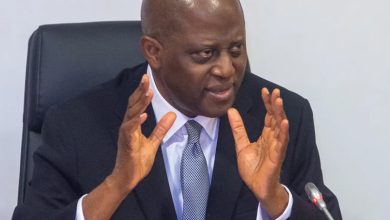
World Bank Country Director for Nigeria, Mathew Verghis, said the programme builds on recent macroeconomic reforms that have contributed to stronger economic stability, improved government revenues and increased investor confidence.
He added that addressing structural constraints remains essential to sustaining long-term growth and unlocking greater private sector participation.
The Country Partnership Framework aligns with Nigeria’s development priorities by focusing on investments that improve infrastructure, expand digital connectivity, strengthen human capital and enhance agricultural output.
The latest financing underscores the World Bank’s continued support for Nigeria’s economic transformation agenda as the country pursues reforms aimed at creating a more competitive, diversified and investment-driven economy.