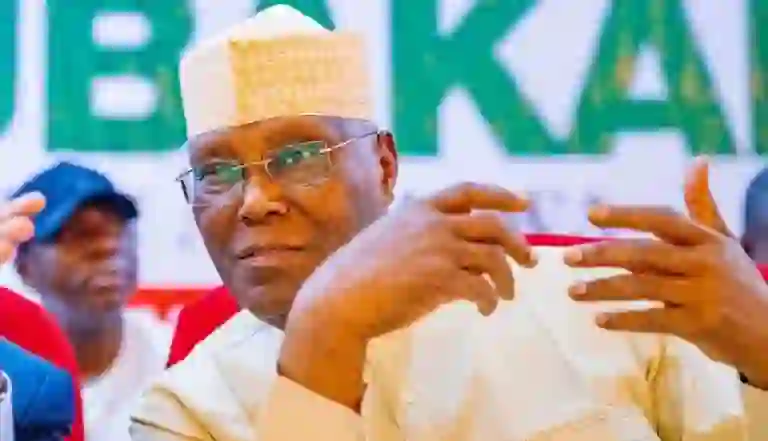
Former Vice President Atiku Abubakar has vowed to reinstate fuel subsidy should he win the 2027 presidential election.
The African Democratic Congress (ADC) presidential candidate made the promise while fielding questions in an interview trending on social media, faulting the economic fallout of President Bola Tinubu’s subsidy removal policy.
Tinubu had scrapped the petrol subsidy in his inauguration speech in May 2023, a move that triggered a sharp spike in fuel prices and, by extension, transport fares, food costs, and the general cost of living across the country.
Although the Federal Government insists the policy freed up more funds for the three tiers of government and boosted infrastructure spending, Atiku said Nigerians were yet to see any real dividends from the trillions saved.
“Where Has The Money Gone?” — Atiku
The former Vice President clarified that he did not initially kick against the subsidy removal but changed his stance after weighing its impact on ordinary Nigerians.
He said: “I initially did not oppose the removal of the fuel subsidy. But now that it has been removed, where is the money? Where has the subsidy money gone? Has it been used to improve healthcare, education or security?”
Atiku vowed that a government under him would reverse the policy, warning that anyone found to have diverted subsidy funds would be made to refund the money.
He said: “If I win the presidential election, I will restore the subsidy. And anyone who stole Nigeria’s subsidy funds must return the money.”
FG Says Reforms Generated ₦15.8trn
Atiku’s comments come barely a day after the Federal Government disclosed that subsidy removal and forex market reforms had raked in ₦15.8 trillion for the federation between June 2023 and December 2025.
Minister of Finance and Coordinating Minister of the Economy, Taiwo Oyedele, disclosed this on Wednesday while unveiling the government’s “Nigerians’ Reform Scorecard,” noting that the reforms had significantly widened the resources available for public expenditure.
READ ALSO: