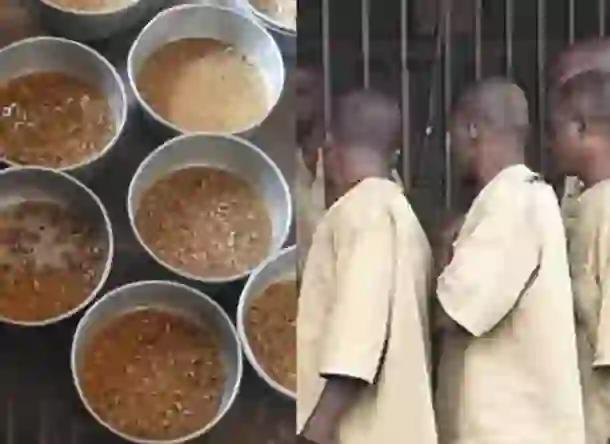
A feeding crisis is reportedly worsening across some correctional centres in Nigeria, with inmates alleging that inadequate food, poor meal quality and overcrowding are making life behind bars even more difficult.
Former inmates interviewed by Vanguard described having to seek alternative sources of food because they could not depend on meals provided by correctional authorities.
One former inmate of the Kirikiri Correctional Centre in Lagos, Mike Okoroafor, said he eventually stopped relying on official meals during his three-year stay at the facility.
According to him, the poor quality of the food left him weak and forced him to look for other ways to feed himself.
Okoroafor’s experience, the report noted, is similar to accounts from other current and former inmates, who attributed the problems to overcrowding, inadequate funding, weak supervision and alleged diversion of food supplies.
Overcrowding Puts Pressure on Feeding
Nigeria’s correctional facilities are reportedly operating above their intended capacity, with the inmate population exceeding 80,000. About 65 per cent of the inmates are said to be awaiting trial.
The situation has placed additional pressure on basic services, particularly food supply, as facilities designed for smaller populations struggle to cater to thousands of inmates.
Meals typically include pap, beans, tea and bread for breakfast, while rice, yam or eba with soup may be served for lunch and dinner.
Although the food is supplied by government contractors and prepared within the facilities, inmates interviewed alleged that the meals are often poorly prepared and insufficient.
A former inmate, Tunde Oyedele, described the food as lacking nutritional value and alleged that beans sometimes contain stones, while rice may require further washing and cooking before it can be eaten.
Another former inmate, Adam Aboh, said the problem also involved the method of preparation, claiming that meals were sometimes excessively diluted when additional water was added to serve larger numbers of inmates.
Poor Feeding Linked to Health Problems
Some former inmates said inadequate feeding contributed to health problems during their time in custody.
A former inmate of the Kirikiri Female Correctional Centre, Joyce Edeh, said she frequently visited the clinic because of stomach pain, weakness and diarrhoea.
She also claimed that malnutrition was particularly common among inmates who had no relatives or friends providing additional food or financial support.
Feeding Allowance Increased
The Federal Government had increased the daily feeding allowance for inmates from less than N700 to N1,500 about two years ago, in response to rising food prices.
However, some inmates interviewed said the increase had not significantly improved the situation.
One inmate alleged that the quantity of food remained inadequate, claiming that less than half a bag of beans was sometimes used to prepare breakfast for more than 2,000 inmates.
Another inmate, who identified himself as Adegbite, said many inmates avoided official meals because of concerns about their quality.
Allegations of Food Diversion
Some inmates also alleged that food supplies meant for correctional centres are sometimes diverted.
One inmate claimed that supplies delivered to the facilities were allegedly reduced before cooking, with some items purportedly taken away or sold.
The inmate further alleged that inmates sometimes pay correctional officials for food items that they believe may have come from supplies already provided by the authorities.
These claims, however, remain allegations from inmates interviewed in the report.
How Inmates Survive
Due to concerns over official meals, some inmates reportedly cook their own food when they can afford to purchase ingredients.
The report identified three broad categories of inmates: those who depend entirely on correctional-centre meals and occasional donations, those who buy and prepare their own food, and inmates with sufficient resources to obtain meals through canteens or external vendors.
Families, friends and non-governmental organisations also provide food and other assistance to some inmates, although such support is said to be irregular.
Unequal Access to Food
The report also highlighted disparities among inmates, with financially stronger prisoners allegedly able to obtain better meals through staff canteens or external suppliers.
Poorer inmates, particularly those in overcrowded cells, are reportedly left with fewer options.
There were also allegations that some correctional centres improve their meals and general appearance when senior officials are expected to visit.
A female inmate claimed that special meals are prepared and the environment cleaned ahead of inspections, giving visitors an impression that differs from the everyday reality inside the facilities.
Rights Group Calls for Urgent Reform
Human rights advocates have called for urgent reforms to the correctional-centre feeding system.
Okechukwu Nwaguma, Executive Director of the Rule of Law and Accountability Advocacy Centre (RULAAC), urged the Federal Government to establish stricter and real-time monitoring of feeding operations within correctional facilities.
He said oversight should involve the Federal Ministry of Interior as well as independent verification of the quality and quantity of food served to inmates.
The concerns raised in the report point to broader challenges surrounding overcrowding, funding, accountability and welfare within Nigeria’s correctional system.
READ ALSO: