The Federal Government has described the latest fiscal transparency report released by the United States Department of State as an external benchmark that could help strengthen ongoing reforms in Nigeria’s public financial management system.
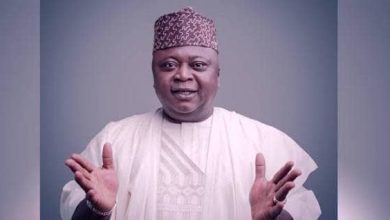
The Special Adviser to President Bola Tinubu on Media and Public Communications, Sunday Dare, made this known on Thursday while reacting to the report, which assessed Nigeria against the US government’s minimum fiscal transparency standards.
Nigeria failed to meet the minimum requirements for the second consecutive year, with the US Department of State stating that the country recorded no significant progress in improving financial management and public access to fiscal information in 2025.
The 2026 Fiscal Transparency Report, released on Tuesday, assessed 139 governments and the Palestinian Authority. Only 73 met the minimum transparency standards, while 67 failed to meet the requirements.
Of the 67 countries that did not meet the standards, 14 were judged to have made significant progress, while 53, including Nigeria, were assessed as making no progress.
Reacting to the findings, Dare said the government had taken note of the concerns raised but stressed that the report should be viewed within the broader context of Nigeria’s ongoing fiscal reforms.
He explained that the assessment focused mainly on the public disclosure of national budget information, government contracts and natural-resource licences, adding that it did not constitute a complete evaluation of Nigeria’s entire fiscal governance system.
Dare noted that the report itself recognised some progress by Nigeria, particularly in making budget documents and information on government debt obligations publicly accessible.
However, he acknowledged that more work was needed in areas such as procurement disclosures, budget execution reports and audit processes.
According to him, the government is committed to addressing the identified shortcomings through ongoing institutional reforms.
Government Lists Transparency Reforms
Dare highlighted several initiatives introduced to improve fiscal transparency, including the Open Treasury programme, publication of budget documents, disclosure of debt obligations and reforms in public procurement.
He added that the government was expanding the use of digital procurement systems and other platforms designed to make public financial information more accessible, accurate and timely.
The presidential aide said the report should neither be dismissed nor treated as a complete assessment of Nigeria’s fiscal governance, but should instead serve as an independent benchmark for improving existing reforms.
He reaffirmed the Tinubu administration’s commitment to improving the quality and timeliness of fiscal reporting, strengthening audit institutions and providing greater access to procurement information.
Dare said these measures were aimed at giving citizens, investors and other stakeholders clearer insight into how public funds and other national resources are managed.
He stressed that the ultimate goal of the reforms was to establish a fiscal system that promotes transparency, accountability and credibility while strengthening public confidence and supporting investment.
The government, he added, would continue to improve its financial management systems to ensure that public resources are utilised efficiently and in the national interest.
READ ALSO: