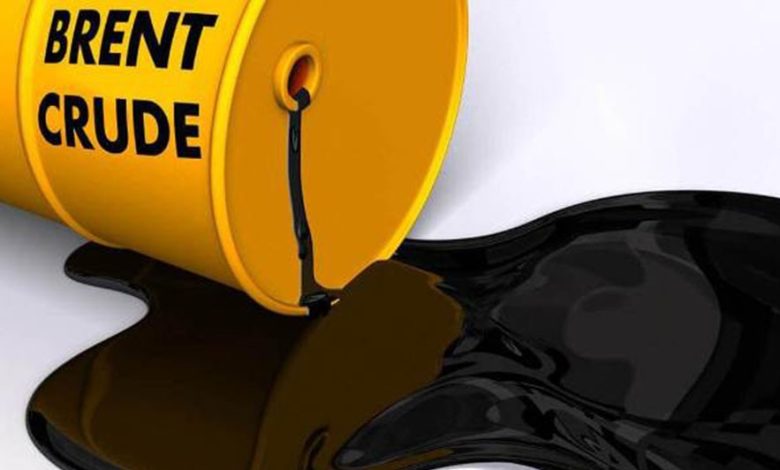
Brent crude oil climbed above $100 per barrel on Wednesday for the first time since July as escalating attacks on tankers, shrinking flows through the Strait of Hormuz and strikes on Saudi Arabian energy facilities intensified concerns over global oil supplies.
The international benchmark rose as high as $100.19 per barrel during early trading on September 9, its highest level in more than six weeks before easing slightly to $99.93 at 09:02 a.m Nigerian time.
US West Texas Intermediate crude gained $1.49, or 1.6 percent to $94.52 per barrel.
Brent has now risen about 25 percent since early August as renewed fighting involving the United States and Iran increasingly disrupts oil production, tanker movements and export routes across the Middle East.
The latest rally marks a significant shift for an oil market that had previously resisted a sustained return to triple-digit prices despite months of disruption.
Supply concerns intensified after the United States destroyed five Iranian oil tankers and Iran responded by announcing attacks on 10 vessels around the Strait of Hormuz, including eight oil tankers and two US ships.
Maritime authorities also received reports of merchant vessels damaged by fire in the northern Gulf and Gulf of Oman, adding to concerns among shipowners already reluctant to operate in the region.
The attacks are particularly significant because the Strait of Hormuz remains one of the world’s most important energy corridors.
Before the Iran conflict began in February, the waterway handled around 20 percent of daily global crude oil and liquefied natural gas supplies.
Traffic has since fallen dramatically.
Only six commodity vessels were recorded passing through the strait on Tuesday, according to preliminary shipping data from Kpler, down from nine a day earlier and below the recent 10-day average of about 12 vessels.
Five of Tuesday’s vessels were entering the Gulf and only one was exiting.
Before the conflict, approximately 125 large commercial vessels, including crude tankers and LNG carriers, typically crossed the waterway each day.
The shipping data exclude vessels that may have crossed with their Automatic Identification System transponders switched off, but the collapse in observable traffic illustrates the extent to which the conflict has disrupted one of the world’s busiest energy routes.
Crude flows have also deteriorated sharply since fighting intensified again at the end of August.
Around 8 million to 9 million barrels per day moved through Hormuz in the week before hostilities resumed on August 30, according to Rystad Energy.
More recently, flows have dropped below 2 million barrels per day.
The decline is putting additional pressure on Gulf producers and international traders to find alternative routes for crude that would normally move through Hormuz.
Saudi Arabia, the United Arab Emirates, Iraq and Kuwait have been using pipelines, alternative ports and ship-to-ship transfers to maintain part of their exports.
Those alternatives helped prevent a more severe oil-price shock earlier in the conflict.
However, the latest escalation is beginning to threaten some of those routes as well.
Iran-backed Houthi forces attacked Saudi Arabian cities and energy facilities this week, causing fires at oil installations and forcing operations at some facilities to stop temporarily.
Saudi authorities said 73 people were injured in attacks targeting Abha, Khamis Mushait, Jizan and Najran.
The attacks have increased concerns about Saudi Arabia’s ability to rely on Red Sea export infrastructure as an alternative to Hormuz.
Saudi crude shipments from Yanbu on the Red Sea had already declined to around 1.43 million barrels per day in August from an average of approximately 3.9 million bpd during the previous three months.
A prolonged disruption affecting both Hormuz and Red Sea routes would remove some of the flexibility that has allowed Middle Eastern producers to keep crude reaching international buyers despite the conflict.
The physical oil market is already showing signs of tightening.
Approximately 9 million barrels per day of crude and another 1 million bpd of refined petroleum products have recently been exported from the Middle East, according to Vitol Chief Executive Officer Russell Hardy.
Before the Iran conflict, combined crude and petroleum-product exports from the region were around 20 million barrels per day.
That means a substantial portion of normal Middle Eastern energy flows remains absent from the international market.
Other producers have helped offset some of the disruption.
The United States, Canada and Guyana are expected to increase combined production by about 1.4 million barrels per day this year, while Russian crude exports have remained relatively resilient despite damage to some of the country’s refining infrastructure.
Iraq has also managed to rebuild exports, with shipments rising to around 2.34 million barrels per day in August.
Those additional barrels have helped prevent the Middle East disruption from producing an even larger price increase.
Weakening oil demand, particularly in China, has provided another counterweight.
China’s seaborne crude imports fell to around 7 million barrels per day in July and August from more than 11 million bpd in February, while Sinopec’s research arm expects Chinese oil demand to decline by approximately 600,000 bpd in 2026.
Large Chinese crude inventories have also provided the world’s biggest oil importer with a buffer against short-term supply disruptions.
But conditions in the physical market suggest available barrels are becoming increasingly expensive.
Spot premiums for Middle Eastern crude have risen sharply, while Oman futures have traded well above $120 per barrel.
Diesel markets are even tighter as disruptions to Russian and Middle Eastern refining capacity reduce supplies of finished petroleum products.
The combination of falling Middle Eastern exports and persistent shipping risks is prompting major financial institutions to raise their oil-price expectations.
Morgan Stanley expects Brent to average around $100 per barrel during the fourth quarter, while HSBC has raised its 2026 Brent forecast to $90 per barrel.
Goldman Sachs has also increased its forecasts, citing expectations that disruptions to Middle Eastern shipping could continue into 2027.
The biggest uncertainty is how much further the conflict could restrict physical supply.
Iran has largely curtailed traffic through parts of the Strait of Hormuz while the United States has imposed restrictions on Iranian shipping and intensified military action against tankers linked to Tehran.
Iranian crude exports have consequently fallen sharply.
At the same time, attacks involving tankers are increasing the cost and risk of moving oil that remains available.
Cargo insurance for vessels operating around Hormuz has risen sharply, while additional war-risk premiums have increased to levels that can add millions of dollars to the cost of individual shipments.
Some shipowners are unwilling to enter the region altogether.
That creates a second source of pressure on oil prices because producing crude is not sufficient if traders cannot safely and economically transport it to buyers.
For Nigeria, Brent’s return above $100 creates both an opportunity and a risk.
Higher crude prices can increase the dollar value of Nigeria’s oil exports and potentially strengthen government petroleum revenue, provided the country maintains production and export volumes.
The increase could also support foreign-exchange inflows from the petroleum sector.
However, sustained oil prices above $100 could increase international inflation, raise transportation and manufacturing costs and keep interest rates elevated across major economies.
Nigeria could also face higher prices for imported petroleum products and industrial inputs linked to global energy costs, offsetting part of the benefit from stronger crude export earnings.
The return of Brent to triple digits therefore represents more than a psychological milestone for the oil market.
For much of the conflict, alternative export routes, additional non-OPEC production and weaker Chinese demand prevented disruptions in the Middle East from translating into a sustained $100 oil market.
The latest escalation is testing those buffers.
With tanker attacks increasing, Hormuz flows falling below 2 million barrels per day and Saudi energy infrastructure now facing direct attacks, traders are increasingly pricing the possibility that the disruption could last longer and remove more barrels from the global market.
Whether Brent remains above $100 will now depend largely on how much Middle Eastern crude continues reaching buyers and whether producers outside the region can compensate for further supply losses.