Zenith Bank, FirstBank, GTCO Raise Dollar Spending Limits as FX Liquidity Improves

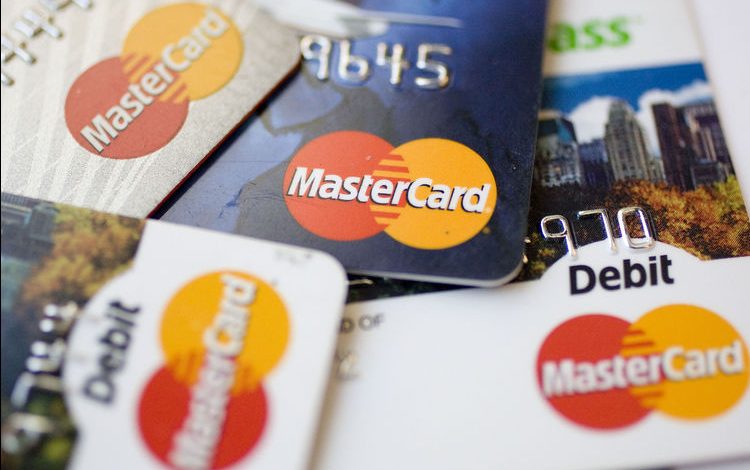
Zenith Bank, FirstBank and Guaranty Trust Bank have expanded the amount customers can spend internationally using naira-denominated cards.
The revised thresholds allow eligible Zenith Bank customers to conduct international card transactions of up to $50,000 annually, while FirstBank customers can spend as much as $10,000 quarterly across online and point-of-sale transactions.
Guaranty Trust Bank has increased its international spending threshold to $40,000 per quarter, giving customers significantly greater capacity to settle foreign obligations directly from naira accounts.
The changes represent an important shift in Nigeria’s foreign-exchange market.
For several years, international functionality on naira cards became one of the clearest casualties of the country’s dollar scarcity.
Banks progressively reduced how much customers could spend outside Nigeria as access to foreign currency deteriorated, with some lenders eventually suspending international transactions on naira cards altogether.
Customers consequently had to find alternative means of paying for overseas purchases, subscriptions, travel expenses and other international obligations.
The latest increases suggest that banks are becoming more confident in their ability to source the foreign currency required to settle those transactions.
GTBank Raises Quarterly Limit to $40,000
GTBank has introduced one of the largest international spending thresholds among Nigerian lenders, allowing customers to conduct up to $40,000 in eligible foreign transactions every quarter.
The size of the limit represents a substantial increase from the restrictions customers faced during the height of Nigeria’s FX shortages.
It also indicates how rapidly conditions have changed during 2026.
For a customer able to utilise the entire allowance, the new quarterly ceiling theoretically provides access to as much as $160,000 in international card transactions over four quarters, subject to the bank’s applicable conditions and transaction rules.
That does not mean customers are receiving dollars directly.
When an eligible international card payment is initiated, the customer’s naira account is debited while the bank handles the foreign-currency settlement required to complete the transaction.
The ability of banks to offer substantially higher thresholds therefore depends partly on their access to FX and confidence that they can continue meeting settlement obligations.
Zenith Bank Allows Up to $50,000 Annually
Zenith Bank customers can conduct eligible international transactions of as much as $50,000 annually through naira cards under the bank’s current limits.
The threshold provides significantly more flexibility for customers with legitimate foreign payment requirements.
For businesses and individuals, the restoration of larger limits reduces some of the friction that developed when naira cards could no longer be relied upon for substantial international payments.
It also strengthens the connection between Nigerian bank accounts and the international payments system.
FirstBank Raises Quarterly Limit to $10,000
FirstBank has increased the cumulative international transaction limit on its Naira Mastercard to $10,000 per quarter for online and point-of-sale transactions.
The bank has also increased the amount customers can withdraw internationally through ATMs to as much as $1,000 per day, subject to applicable card conditions.
The changes mean customers travelling abroad or making legitimate payments to international merchants have considerably more flexibility than they had during the period of severe FX scarcity.
For Nigerian students overseas, travellers and customers purchasing services from international companies, the practical effect could be particularly significant.
What the Higher Limits Say About Nigeria’s FX Market
The importance of the changes extends beyond cardholders.
International naira-card limits provide an informal indication of how comfortable banks are with foreign-exchange availability.
When dollar liquidity deteriorated, banks had a strong incentive to restrict transactions that created additional foreign-currency settlement obligations.
When liquidity improves, those restrictions can gradually be relaxed.
The willingness of several major banks to accommodate substantially larger international transactions therefore suggests that the FX constraints facing the financial system have eased.
Nigeria’s foreign-exchange market has undergone extensive restructuring since the Central Bank of Nigeria moved away from the previous multiple-rate framework and introduced reforms intended to improve price discovery, liquidity and transparency.
The monetary authority has also worked to increase formal foreign-currency inflows through remittances and other channels.
The result has been a significant change from the conditions that previously forced banks to ration access to dollars.
External Reserves Strengthen Above $54bn
The restoration of higher international spending limits is occurring alongside a substantial improvement in Nigeria’s external reserves.
Foreign reserves crossed $54 billion in early September, strengthening the country’s capacity to withstand external pressures and improving confidence around foreign-currency availability.
The improvement represents a major recovery from the levels recorded at the beginning of the year.
Higher reserves do not directly determine the card limit set by an individual commercial bank, but both developments can reflect a broader improvement in Nigeria’s external financial position.
Reserves provide the Central Bank of Nigeria with a larger buffer against external shocks, while increased dollar inflows into the financial system improve liquidity available to banks, businesses and investors.
For the naira, maintaining that improvement could prove particularly important.
Formal FX Market Regains Importance
Greater availability of international card payments could also reduce the need for some customers to source dollars outside the banking system.
When banks were unable to meet legitimate foreign-currency requirements, individuals and businesses frequently had to seek alternatives.
That increased the importance of the parallel market and contributed to a substantial gap between official and unofficial exchange rates.
A financial system capable of handling more legitimate FX demand through formal channels could reduce some of that pressure.
International card transactions are only one part of total foreign-exchange demand, and the higher limits alone will not determine the direction of the naira.
But they provide evidence of a broader normalisation of dollar access.
The significance is therefore not that Nigerians can simply spend more abroad.
It is that banks appear increasingly capable of processing foreign obligations that they previously could not comfortably accommodate.
Businesses Could Benefit From Easier International Payments
The improvement could have important implications for Nigerian businesses, particularly smaller companies that rely on international digital services.
Companies routinely make foreign payments for software, cloud computing, advertising, professional services, travel and other operational requirements.
When naira cards were restricted, businesses sometimes needed domiciliary accounts, alternative payment providers or separately sourced foreign currency to complete relatively straightforward transactions.
Higher international card limits could simplify some of those payments and reduce administrative friction.
That is particularly relevant as Nigerian businesses become increasingly integrated with global digital platforms.
However, businesses will still need to comply with transaction limits, documentation requirements and applicable foreign-exchange regulations.
Students and Travellers Gain More Flexibility
Nigerians travelling or studying abroad are another group likely to benefit.
International card restrictions created difficulties for travellers trying to pay hotels, transportation providers, retailers and other merchants directly from Nigerian accounts.
Students also faced difficulties paying for international educational services and other expenses.
The Central Bank has separately expanded access to foreign exchange for legitimate education-related payments, reinforcing the broader relaxation of restrictions that characterised the earlier period of scarcity.
Greater availability does not mean unlimited access.
Banks retain the ability to establish their own card limits, risk controls and transaction requirements within the applicable regulatory framework.
Higher Limits Could Increase Dollar Demand
The restoration of international spending capacity also creates a policy consideration.
Allowing substantially larger card transactions can increase demand for foreign currency if customers begin using the additional capacity aggressively.
The sustainability of the higher limits will therefore depend on whether dollar inflows continue to grow sufficiently to accommodate demand.
If foreign-exchange supply deteriorates again, banks could respond by reducing limits.
That was the pattern during the previous FX crisis.
For now, however, the direction is moving the other way.
Banks are increasing rather than reducing customers’ ability to conduct international transactions.
A Different FX Signal
Nigeria’s foreign-exchange recovery is usually measured through the naira exchange rate, external reserves or the difference between official and parallel-market prices.
The return of international functionality to naira cards provides another useful measure.
It shows how changes in FX liquidity are beginning to affect everyday banking services.
A market can report improving reserves while households and businesses still struggle to obtain foreign currency.
The latest card adjustments suggest that some of the improvement is moving beyond headline macroeconomic indicators and into services available to bank customers.
For Zenith Bank, FirstBank and GTBank to maintain these larger limits, however, the underlying improvement in dollar supply will need to continue.
That makes the durability of Nigeria’s FX inflows, rather than the size of the card limits themselves, the bigger economic story.
If reserves remain strong and formal-market liquidity continues improving, Nigerian banks could progressively restore more of the international payment capacity that disappeared during the country’s prolonged foreign-exchange shortage.