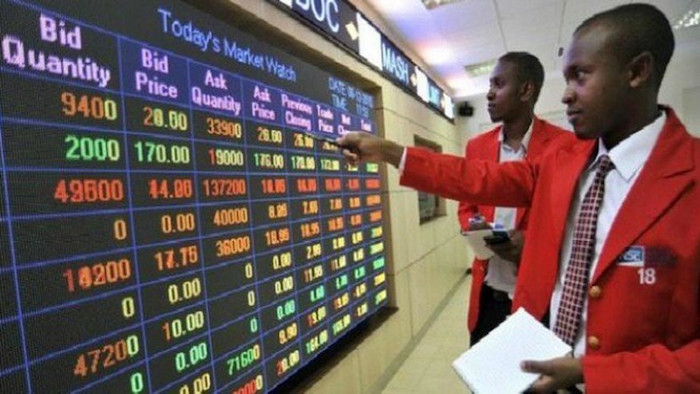
The performance places the Nigerian Exchange (NGX) ahead of the Zimbabwe Stock Exchange (ZSE), which returned 64.75 per cent in dollar terms over the same period, as the continent’s equity markets enter the final quarter of the year.
The strong performance underscored the remarkable rally recorded by Nigerian equities in the first nine months of 2026, just as market analysts cautioned that the final three months could determine whether the market sustains its momentum through year-end.
Data compiled by THISDAY showed that the Dar es Salaam Stock Exchange ranked third, gaining 55.64 per cent in dollar terms, while the BRVM and Ghana Stock Exchange returned 53.16 per cent and 44.23 per cent respectively.
At the other end of the performance table, the Stock Exchange of Mauritius declined 5.63 per cent in dollar terms, while the Johannesburg Stock Exchange fell 4.57 per cent during the period under review.
The Nigerian market’s nine-month rally was supported by improving macroeconomic conditions, ongoing economic reforms, firmer oil prices, improved foreign exchange liquidity and renewed investor confidence.
The market capitalisation of listed equities on the NGX rose by N63.73 trillion, representing a 64.13 per cent increase, from N99.376 trillion at the beginning of 2026 to N163.105 trillion as of September 30.
The NGX All-Share Index also climbed by 95,598.64 points, representing a 61.43 per cent gain in naira terms, rising from 155,613.03 points at the start of the year to 251,211.67 points at the end of September.
The strengthening of the naira has further amplified the market’s dollar-denominated performance. The naira appreciated by about 6.96 per cent against the dollar, moving from N1,429/$ at the end of 2025 to N1,329.50/$ at the Nigerian Foreign Exchange Market as of September 30.
For foreign investors, the combination of rising equity prices and naira appreciation has translated into stronger dollar returns.
Despite the impressive nine-month performance, investment banker and stockbroker, Tajudeen Olayinka, said the market had experienced some moderation after its strong first-half performance.
Olayinka said the Nigerian stock market had performed exceptionally well during the nine-month period, but noted that the final three months of the period had witnessed some drag on the rally recorded in the first half of 2026.
“The outlook for the full year is positive, as a possible post-listing market-wide rally around Dangote Refinery IPO could be a step up to what the market witnessed in the first half of 2026. It is going to be an interesting market,” he said.
The market’s September performance provided further evidence of its resilience, with total market capitalisation rising by N5.37 trillion, or 3.4 per cent month-on-month, from N157.739 trillion at the end of August to N163.105 trillion at the end of September.
The renewed international attention on Nigerian equities has also been strengthened by the country’s return to frontier-market status under FTSE Russell.
Nigeria returned to the global index provider’s frontier-market classification on September 21, 2026, after a three-year absence.
Market participants expect the reclassification to improve the visibility of Nigerian equities among international institutional investors and potentially support additional capital inflows from funds tracking frontier-market benchmarks.
Kayode Tokede