Nordica marks 1,000 HIFU treatments after five years of fibroid care innovation

Nordica’s Fibroid Care Centre has completed 1,000 High-Intensity Focused Ultrasound (HIFU) treatments for fibroids, marking five years of investment in technology and specialised expertise aimed at expanding treatment options for women in Nigeria.
The milestone comes five years after the Fibroid centre at Nordica introduced ultrasound-guided HIFU treatment for fibroids in 2021, positioning the centre among providers seeking to broaden the way uterine fibroids and adenomyosis are managed in the country.
The 1,000-treatment mark was commemorated at in Lagos, bringing together healthcare professionals, former patients, partners and other stakeholders to reflect on the centre’s experience with HIFU and the changing conversation around fibroid treatment.
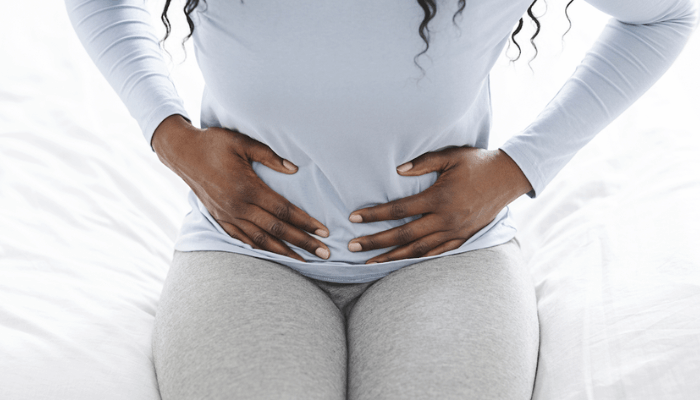
Fibroids are non-cancerous growths that develop in or around the uterus and can cause heavy menstrual bleeding, pelvic pain, abdominal swelling and reproductive challenges. Treatment has traditionally included medication and surgical procedures, depending on the size, location and symptoms associated with the fibroids.
Read also: How to prevent death from fibroids – expert
HIFU introduces another option for eligible patients by using focused ultrasound energy to target fibroid tissue without an incision. The approach is designed to minimise disruption to surrounding tissue and can allow patients to return to normal activities sooner than some conventional surgical procedures.
For Nordica’s Fibroid Care Centre, the milestone represents more than the number of procedures performed. It reflects the development of local capacity around a technology that requires specialised equipment, patient selection, imaging and clinical expertise.
The centre said its HIFU programme is intended to give women greater awareness of the treatment options available to them, rather than positioning one approach as suitable for every patient.
The significance of that distinction is particularly important in fibroid care, where treatment decisions can vary considerably according to the size, number and location of fibroids, symptoms, fertility considerations and a patient’s broader medical circumstances.
The five-year journey also highlights the growing role of technology in women’s healthcare, as providers seek alternatives that can reduce the physical and recovery burden associated with some conventional procedures.
Patient experiences shared by the centre at the milestone event underscored the human dimension behind the 1,000 treatments.
A past Nordica’s Fibroid Care Centre patient, who shared her experience of living with fibroids and undergoing HIFU treatment at Nordica said “My healing process has been good. Noticeable changes in my body and monthly cycle. My bleeding has reduced drastically to five days. No discomfort or blood clotting. Swelling has reduced. I can sleep on my tummy now. I feel good now. But would be doing a scan to see how far the Fibroid has gone down. Thanks once again for following up, it means a lot to me.”
Another lady who referred a patient to the Centre had this to say: “I am reaching out to thank you and your team for the excellent care provided to the patient and friend in Equatorial Guinea that I recommended your practice to, and for meeting with her to allay her fears and concerns.The last I heard from her, she mentioned that post-surgery, she has been regularly pain free.She sends her sincere thanks to you.”
However, such individual experiences do not establish that HIFU will produce the same outcome for every patient. Clinical suitability remains dependent on individual assessment.
The centre’s milestone comes as Nigeria’s healthcare system continues to face challenges around access to specialised treatment, advanced medical equipment and the retention of expertise. The expansion of technology-driven services therefore depends not only on acquiring equipment but also on building the clinical capacity needed to use it effectively.
Read also: Financial barriers limit women’s healthcare access, drive maternal mortality
Nordica’s Fibroid Care Centre’s five-year HIFU journey consequently offers a case study in how private healthcare investment can introduce specialised treatment technologies into Nigeria while building local experience around their use.
As the centre moves beyond its first 1,000 treatments, the broader question for fibroid care will be whether greater awareness of technologies such as HIFU can translate into more informed treatment choices for women and wider access to specialised care.
For the Centre, the milestone marks the end of one phase of its HIFU journey and the beginning of another, with technology, expertise and patient-centred care increasingly shaping conversations around the management of fibroids and adenomyosis in Nigeria.