State Police: Gbajabiamila Sets Conditions, Says States Must Prove Financial Capacity

Ayomide Awe
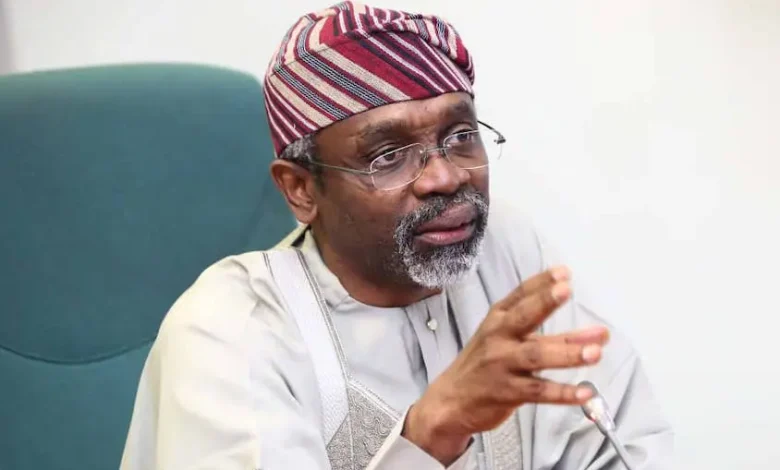
States seeking to establish their own police forces must demonstrate the capacity to pay officers’ salaries, fund continuous training and sustain operational costs before their services can commence, the Chief of Staff to President Bola Tinubu, Femi Gbajabiamila, has said.
Gbajabiamila said the proposed state police system would require adequate financial planning and enforceable safeguards to prevent the emerging security structure from becoming vulnerable to political manipulation, corruption and unlawful demands on citizens.
He spoke on Monday during a session on security, stability and economic resilience at the 32nd Nigerian Economic Summit.
According to him, the ability of a state to purchase patrol vehicles, uniforms and other equipment would not be sufficient to guarantee the effective operation of a police force without sustainable funding for its recurrent expenditure.
“A state taking on policing must be able to sustain the service after the initial purchase of vehicles and uniforms,” he said.
He added that regular salaries and continuous training were essential to maintaining professional standards and preventing officers from becoming susceptible to improper influence.
“An institution that cannot meet its obligations to its officers becomes vulnerable to provide patrons and unlawful demands on the public,” Gbajabiamila said.
He stressed that the proposed framework would require states to make credible financial provisions for recurrent expenditure before their police services could begin operations.
“Federal policing will continue where a state is not yet ready,” he said.
The position suggests that states seeking to establish their own police forces would be expected to demonstrate not only political commitment but also the financial capacity to maintain the institutions over the long term.
Gbajabiamila said the establishment of state police formed part of the Tinubu administration’s broader security reform agenda, designed to bring policing closer to communities and improve responses to local security threats.
He argued that although military operations could dislodge armed groups from their strongholds, sustained security required police officers capable of detecting threats early, investigating crimes and restoring public confidence.
According to him, effective community-level policing would help residents return to their homes, allow businesses to reopen and support economic recovery in areas affected by insecurity.
“Bringing policing closer to the communities itself can improve local intelligence and shorten the time between a call for help and an effective response,” he said.
However, he maintained that the Nigeria Police Force at the federal level would remain indispensable in addressing crimes that cross state boundaries and threats requiring specialised national capacity.
The proposed arrangement is expected to give willing and financially capable states greater responsibility for public safety while retaining national standards and oversight mechanisms.
Providing an update on the reform process, Gbajabiamila disclosed that 24 state Houses of Assembly had approved the constitutional amendment required for the introduction of state police as of October 23, 2026.
He also said the presidential working group on state police, which he chairs, submitted a draft national policing bill and 29 consequential amendment bills to the Federal Ministry of Justice on October 19.
According to him, the proposals would be forwarded to President Tinubu for approval before being transmitted to the National Assembly.