Tax Ombud Plans Free Complaint-Resolution Services For Rural Businesses, Market Traders

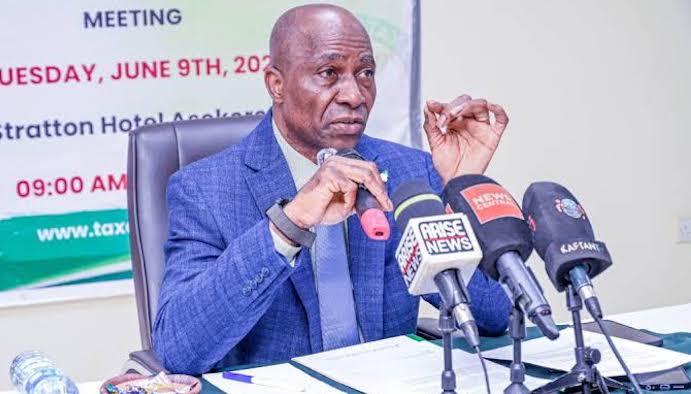
Speaking at a town hall meeting in Abuja, over the weekend, he said the move aimed to reduce the cost of resolving disputes with revenue authorities and ease administrative bottlenecks confronting small enterprises.
Acc9rding to him, the initiative, which involves a proposed partnership with the Nigerian Postal Service (NIPOST), is expected to bring the services closer to taxpayers who may otherwise struggle to access formal channels for challenging disputed assessments, procedural irregularities and other grievances arising from tax administration.
This came as representatives of market associations, professional bodies, transport unions, airline operators and other private sector groups highlighted the need for simpler tax procedures and more effective dispute-resolution mechanisms.
Although the proposed collaboration is yet to be formalised, its implementation could provide smaller businesses with a more accessible avenue for addressing tax-related complaints without incurring the costs and delays associated with prolonged disputes.
Nwabueze said the Office was working towards formalising the arrangement with NIPOST to improve access to its services, particularly for taxpayers in underserved locations.
He explained that the tax ombud was established to address operational, procedural and administrative grievances arising from tax and revenue administration through an independent, impartial and non-judicial process.
He said, “Our services, which are offered free of charge, are designed to resolve disputes, mediate complaints, and promote a transparent, fair, and consistent tax administration system.”
No waiver of legitimate tax obligations
Nwabueze stressed that the Office was not established to cancel legitimate tax liabilities or protect taxpayers unwilling to meet their legal obligations.
He said the institution did not formulate tax policy or perform the functions of the courts, but was mandated to facilitate the fair and impartial resolution of eligible complaints within its statutory powers.
The distinction is significant for businesses seeking relief from administrative disputes: the intervention is intended to address unfair processes and grievances, rather than provide a blanket exemption from taxation.
According to him, a fair and predictable tax system is essential to economic growth, investor confidence and improved voluntary compliance among SMEs, traders and the wider business community.
He added that the Office would continue to engage stakeholders and address systemic weaknesses, including inadequate transparency and inefficient grievance-redress mechanisms.
Nwabueze also commended President Bola Tinubu for establishing the Office, while acknowledging the contributions of the Minister of Finance and Coordinating Minister of the Economy, Taiwo Oyedele, and other stakeholders to the process.
He said the broader objective was to build confidence between taxpayers and revenue authorities by ensuring that complaints could be considered impartially and resolved through appropriate channels.
The planned NIPOST partnership, if implemented, would widen the geographical reach of that process, potentially helping businesses outside major commercial centres access redress without travelling long distances to reach the relevant office.
However, the extent of the relief businesses would receive would depend on the final terms of the partnership, the accessibility of the proposed service points and the Office’s capacity to resolve complaints efficiently.
The tax ombud reiterated its commitment to protecting taxpayers’ rights while upholding the lawful powers and responsibilities of revenue authorities, maintaining that constructive engagement remained central to a more transparent and taxpayer-friendly revenue system.