BDC $1m Dollar Boost: Experts Flag Election Spending, Warn Policy May Reopen Import Floodgates

…Urge CBN To Tighten Monitoring, Warn Against Market Abuse
…Say Rise In Dollar Allocation May Ease Naira Pressure
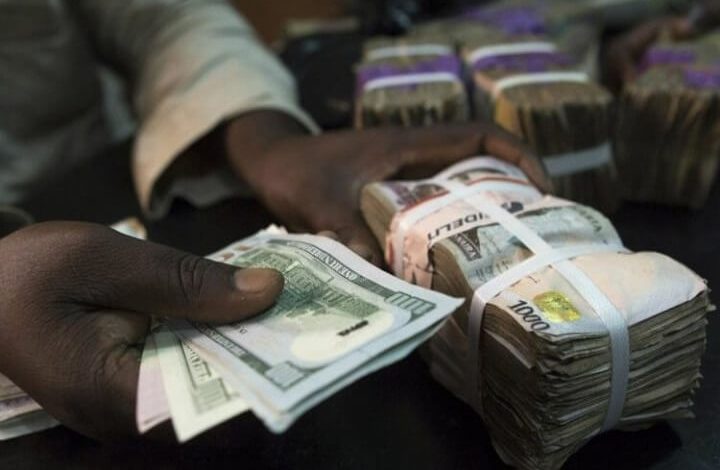
The Central Bank of Nigeria’s (CBN) decision to raise the weekly dollar purchase limit for Bureau De Change (BDC) operators to $1m could ease pressure on the naira and improve access to physical foreign currency, but financial market experts have warned that the policy could also fuel election-related demand, encourage a fresh wave of imports and expose the foreign exchange market to abuse.
They said the increased dollar allocation could address longstanding liquidity constraints in the retail foreign exchange market, particularly the difficulty faced by individuals and businesses requiring physical dollars for legitimate transactions.
However, they cautioned that the intervention must be supported by effective monitoring to ensure that the additional foreign currency reaches genuine end-users rather than being diverted for speculative activities or transactions designed to exploit differences across exchange rate segments.
The experts also raised concerns about the broader economic implications of increased dollar availability, particularly as the country approaches the 2027 general elections.
They noted that easier access to foreign currency could stimulate import demand as businesses and consumers regain the capacity to purchase goods from overseas markets. While this could improve trade activities and benefit import-dependent businesses, it could also expose local manufacturers to renewed competition from imported products.
The Group Managing Director of Crane Securities Limited, Mike Eze, who spoke to THE WHISTLER, said the CBN’s decision to increase physical dollar sales to BDC operators could address one of the structural weaknesses in Nigeria’s foreign exchange market: inadequate access to cash dollars at the retail end.
According to him, the previous restrictions on cash withdrawals limited the capacity of BDC operators to meet legitimate demand, creating supply gaps that pushed customers towards alternative foreign exchange channels.
He explained that the distinction between making foreign exchange available electronically and ensuring that individuals who genuinely require physical dollars can access them was critical to the effectiveness of the market.
Eze said allowing licensed BDC operators to access up to $1m in physical cash weekly could improve retail market liquidity, narrow the gap between official and parallel market exchange rates and discourage speculative activities, provided the additional supply reaches genuine end-users.
“One of the major issues in the retail foreign exchange market has been the availability of physical dollars. There is a difference between making foreign exchange available electronically and ensuring that individuals who genuinely need cash dollars can access them.
“This policy could address that gap by improving the distribution of physical foreign currency through authorised channels.
“However, the effectiveness will depend on how efficiently the banks and BDC operators implement the directive and whether the additional liquidity translates into lower exchange rate pressures,” he said.
The Chief Executive Officer of the Centre for the Promotion of Private Enterprise (CPPE), Dr Muda Yusuf, has said the Central Bank of Nigeria’s (CBN) latest intervention in the foreign exchange market is aimed at moderating mounting pressure on the naira amid rising demand for foreign currency.
Yusuf, who spoke in an exclusive chat with THE WHISTLER, said the forex market had been experiencing increased pressure in recent weeks, partly driven by heightened demand for cash associated with the political season and the approaching festive period.
“We have been seeing some pressure on the foreign exchange market in the past few weeks. Perhaps this is one of the ways the CBN believes it can moderate that pressure. You know we are in a political season, and during political transitions, demand for cash is usually very high. The same thing is also true during the festive season,” he said.
According to him, the CBN’s latest move could help ease the pressure on the naira by narrowing the gap between the official and parallel foreign exchange markets.
He noted that concerns had begun to emerge among market participants over the possibility of another round of naira depreciation, but said the country’s relatively strong foreign reserves could give the apex bank the confidence to manage the situation.
“Some people are already getting nervous that the exchange rate may continue to depreciate. However, because we have very good reserves, I think the CBN is confident that it can manage the situation that has led to this kind of intervention,” Yusuf said.
He added that the intervention could help stabilise exchange rate expectations and restore confidence among investors, particularly at a time when concerns about currency volatility could influence investment decisions.
Yusuf, however, cautioned that the intervention could pose a risk to the country’s foreign reserves if the increased supply of foreign exchange results in sustained demand and pressure on the reserves.
“My only worry is that it should not lead to pressure on our reserves. That is the only risk. But the reserves are very robust, with over $50bn,” he added.
Also reacting, the Registrar of the Chartered Institute of Finance and Control, Godwin Eohoi, said the increased allocation could strengthen confidence in the official foreign exchange market and restore the relevance of licensed BDC operators in meeting retail foreign exchange requirements.
He described the decision as an important adjustment to the CBN’s foreign exchange distribution framework, particularly against the background of restrictions that previously limited the proportion of foreign exchange purchases BDC operators could receive in physical cash.
Eohoi said increased dollar availability could improve transactions for international travellers, small businesses and other legitimate retail foreign exchange users.
However, he warned that without adequate monitoring, the policy could create opportunities for market manipulation and diversion of foreign currency.
“The increase to $1m is significant, but the bigger issue is ensuring that the dollars are channelled to the right destinations.
“The CBN must have a robust monitoring framework to track allocations from banks to BDC operators and ultimately to end-users.
“There must be clear documentation, transaction reporting and strict compliance with the established foreign exchange guidelines. Otherwise, the increased liquidity could be exploited by operators seeking to take advantage of differences between exchange rate segments.
“The objective should not just be to make more dollars available but to ensure that the intervention improves price discovery, reduces market distortions and strengthens confidence in the foreign exchange market,” he said.
He urged the CBN to closely monitor the movement of the naira following the intervention to establish whether the increased physical dollar supply was translating into improved exchange rate stability.
Beyond the immediate foreign exchange implications, the experts’ concerns point to wider questions about how increased dollar availability could influence Nigeria’s import demand, domestic production and external trade.
With more foreign currency potentially available through licensed channels, businesses that had been constrained by difficulties accessing dollars could resume or expand import transactions.
This could increase demand for foreign goods, particularly machinery, raw materials, finished products and consumer items, depending on the availability and cost of foreign exchange.
While a stronger naira could improve the purchasing power of importers and consumers, increased dependence on imported goods could undermine efforts to expand domestic manufacturing and reduce Nigeria’s exposure to external supply shocks.
Chinese exporters could also benefit from any renewed increase in Nigerian import demand, given China’s position as one of Nigeria’s major trading partners and a significant source of manufactured goods, machinery, electronics and consumer products.
For local manufacturers, however, a surge in imports could intensify competition, particularly for producers already grappling with high energy costs, expensive raw materials, infrastructure constraints and financing challenges.
The development also raises questions about the timing of the intervention, with the 2027 general elections approaching.
Election-related spending could increase demand for foreign currency, particularly if political actors, businesses and individuals seek dollars for travel, campaign-related activities and other transactions.
Although the CBN has not linked the policy to election spending, analysts are likely to watch whether the additional liquidity coincides with increased demand for physical dollars in the coming months.
The extent to which the policy strengthens the naira will also depend on whether the additional supply is sufficient to meet genuine demand without creating new channels for speculation.
Meanwhile, the CBN, in a directive to authorised dealer banks and licensed BDC operators, said the temporary increase was intended to address seasonal demand pressures and improve orderly access to dollar cash for end-users.
Under the new arrangement, the apex bank raised the weekly dollar purchase limit for each licensed BDC operator from $150,000 to a maximum of $1m, representing an increase of $850,000 or about 566.7 per cent.
It also permitted approved BDC operators to receive up to 100 per cent of their approved foreign exchange purchases in physical dollar cash through authorised dealer banks with which they maintain settlement accounts.
The directive, contained in an email dated November 24, 2026, and signed by Yasir Shanono Shehu and Aderinola Shonekan, also committed the CBN to providing authorised dealer banks with the dollar cash required to meet the demands of their BDC customers.
To access the facility, licensed BDC operators are required to submit requests through the BDC FX Purchase Tracker (FXBT).
Authorised dealer banks are expected to acknowledge requests on the same day and either confirm or reject them through the portal, stating reasons for any rejection.
The CBN said banks would consolidate confirmed cash requirements and validate them against submissions on the tracker before receiving dollar cash from the apex bank for onward disbursement to BDC operators.
It further stated that settlement between the CBN, authorised dealer banks and BDC operators would operate on a T+2 basis, meaning transactions would be settled two business days after the trade date on which the bank confirms the request on the tracker.
The BDC operator’s settlement account would be debited at the point of cash disbursement.
Despite the increased allocation, the apex bank retained existing regulatory safeguards, including documentation, Know Your Customer (KYC) and Customer Due Diligence (CDD) requirements, the prohibition of third-party transactions and the 24-hour sell-back rule.
The CBN said the requirements would apply equally to cash transactions.
It also directed authorised dealer banks to report the dollar cash disbursed to each BDC operator to its Financial Markets Department and Trade and Exchange Department, with the reports reconciled against transactions recorded on the FXBT.
The banks are also required to continue submitting their existing weekly returns.