Ayomide Awe
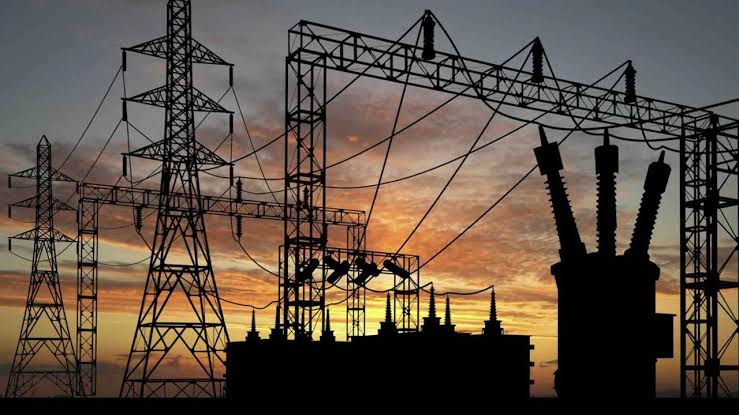
Electricity Distribution Companies (DisCos) have apologised to Nigerians over persistent power outages that have plunged homes and businesses into weeks of darkness, amid growing public anger over the worsening electricity crisis.
The Managing Director and Chief Executive Officer of the Association of Nigerian Electricity Distributors (ANED), Sunday Oduntan, tendered the apology on Monday, acknowledging the hardship Nigerians had endured as a result of the prolonged disruptions in electricity supply.
Oduntan, who spoke during an interview on Channels Television’s Sunrise Daily, admitted that consumers had been subjected to considerable difficulties in recent weeks and said an apology was necessary.
“I’d like to first of all start by apologising to Nigerians. Apology is needed; it is essential because Nigerians have been taken through this problem over the past few weeks,” he said.
The apology comes amid mounting complaints from households, business owners and electricity consumers over worsening power supply, with many questioning why they continue to experience prolonged blackouts despite paying electricity bills and, in some cases, higher tariffs.
Oduntan, however, blamed the recurring crisis partly on what he described as a dangerous return to the blame game among operators in the electricity sector.
He recalled that between 2016 and 2019, electricity distribution companies, transmission operators, generation companies and gas suppliers routinely traded accusations over poor electricity supply rather than collectively addressing the industry’s challenges.
According to him, the sector appears to be returning to the same pattern, a development he said must be urgently checked to prevent further deterioration.
“Our major problem is that we have started that very wrong route that we went through between 2016 and 2019. What is that? Blame game,” he said.
He explained that DisCos previously blamed the Transmission Company of Nigeria, while transmission operators shifted responsibility to generation companies, which, in turn, blamed gas suppliers and payment-related challenges.
Oduntan warned that the continued exchange of accusations would not provide relief to consumers who remain at the receiving end of the electricity crisis.
The ANED boss also questioned conflicting explanations offered by key players in the electricity value chain over the causes of the current shortages.
He specifically expressed reservations about statements from the Nigerian Independent System Operator (NISO) and the Nigerian National Petroleum Company Limited (NNPC) regarding the factors responsible for the decline in electricity generation.
While NISO reportedly identified low water levels and inadequate gas supply among the factors affecting electricity generation, the NNPC subsequently issued a statement indicating that gas was available.
Oduntan, however, challenged the explanation, insisting that the national oil company should provide a clearer account of whether outstanding payments or other financial disputes were affecting gas deliveries to power generation companies.
He accused the NNPC of providing incomplete information and demanded transparency over the relationship between gas suppliers and electricity generation companies.
“From the NNPC statement, it is very clear that they came to tell us half-truths. What I would have expected NNPC to do is to go ahead and talk to us whether there are payment issues. We need to know whether gas was paid for and delivered, who did, who didn’t,” he stated.
He urged the Minister of Power to assume leadership of the situation by convening all relevant stakeholders to establish the actual causes of the persistent electricity shortages and resolve the disagreements.
“This back and forth blame game between gas suppliers, NNPC and, of course, TCN or NISO, I think the Minister of Power needs to take charge. There is a need for this leadership because, at the end of the day, they need to call them together,” he added.