Showunmi Urges Ribadu To Rein In Politicians, Warns Against Inflammatory Rhetoric, Security Threats

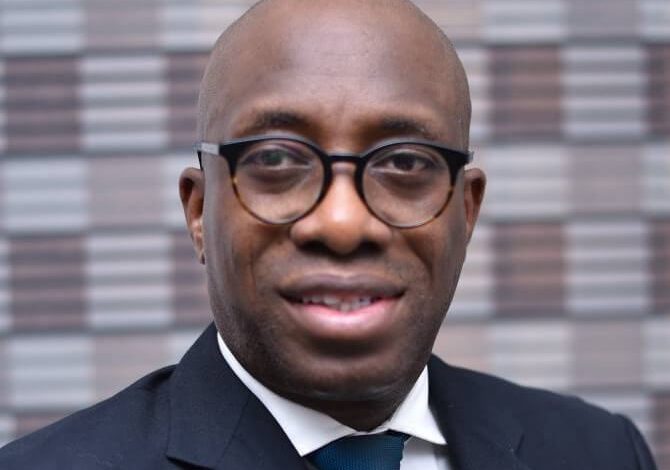
Daud Olatunji
A chieftain of the Peoples Democratic Party, Otunba Segun Showunmi, has urged the National Security Adviser, Mallam Nuhu Ribadu, to establish firm boundaries for political conduct and ensure that politicians and their supporters who threaten national security are held accountable, irrespective of their political status.
Showunmi, in an open letter addressed to Ribadu, warned that the growing use of inflammatory rhetoric, ethnic and religious insinuations, threats and provocative political communication could worsen Nigeria’s security challenges if left unchecked.
He called on the NSA to work with relevant security and law-enforcement agencies to develop clear guidelines for political communication, particularly as the country approaches the 2027 general elections.
The former governorship aspirant, who described the situation as requiring urgent intervention, cautioned that political competition and personal ambition must not be allowed to undermine national peace and stability.
He said Nigeria was already grappling with multiple security challenges and should not permit reckless political behaviour to create additional threats to the country’s fragile security environment.
“There is a difference between robust political engagement and conduct that deliberately or recklessly threatens public peace. There is a difference between criticising government and deliberately inciting citizens against one another.
There is a difference between exercising freedom of expression and using the enormous influence of public office, political platforms and social media to promote hostility, spread inflammatory narratives or undermine the fragile cohesion of our country,” he stated.
Showunmi expressed concern over what he described as the growing normalisation of provocative statements, ethnic and religious insinuations, intimidation and the manipulation of sensitive national issues for political advantage.
He argued that some politicians and their supporters appeared to believe that their political positions, connections and influence could shield them from the consequences of irresponsible public conduct.
The PDP chieftain insisted that such an assumption must be challenged, stressing that participation in democratic politics did not confer the right to incite violence, threaten citizens or encourage lawlessness.
National security cannot be held hostage to political ambition.
“The right to participate in democratic politics does not include the right to endanger the Republic. Political disagreements must never become a licence to incite violence, threaten citizens, encourage lawlessness or deliberately create conditions that could trigger communal tensions and wider instability,” he said.
He urged Ribadu to establish and publicly communicate clear standards for political conduct, warning that the country could not afford to allow partisan disagreements to degenerate into security emergencies.
As part of his recommendations, Showunmi called for the establishment of national boundaries governing political communication, insisting that politicians, political parties, campaign organisations, spokespersons and their supporters must be held responsible for statements capable of promoting violence, ethnic hostility, religious antagonism and intimidation.
He also demanded equal application of the law, regardless of the political standing or influence of individuals involved.
According to him, serving and former public office holders, party leaders, political financiers, campaign spokespersons, social media influencers and ordinary supporters must all be subjected to the same legal standards where credible evidence of criminal conduct exists.
“There must be no sacred cows, no political exemptions and no selective enforcement,” he declared.
Showunmi further advocated a coordinated rapid-response mechanism to tackle political misinformation and incitement, urging security institutions to develop effective procedures for documenting incidents, verifying information, correcting false narratives and communicating responsibly with the public.
He warned against the amplification of unverified allegations by public institutions, while calling for investigations into deliberately fabricated information intended to provoke violence.