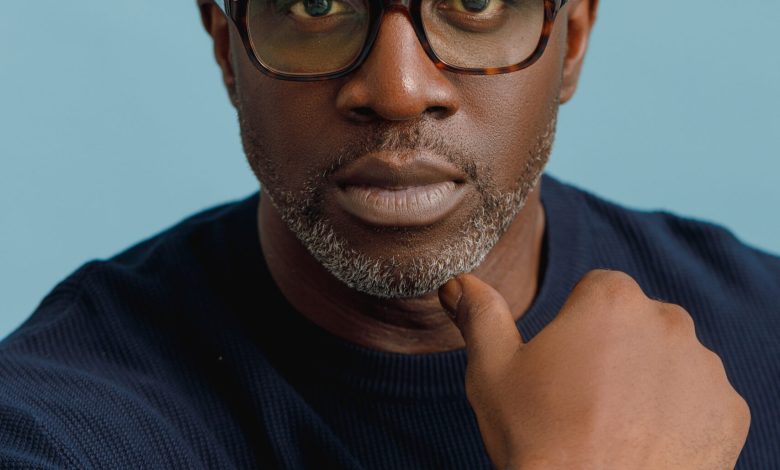
Men’s Mental Health Day: Building a healthier mind and body, one daily habit at a time.
Men are often conditioned to be providers, protectors, problem-solvers and the people others depend on. We are expected to show up at work, provide for our families, meet expectations and navigate the pressures that come with everyday life. In the process, however, one important responsibility can easily get overlooked: looking after ourselves.
The reality is that daily life comes with an enormous amount of stress. Workplace demands, financial responsibilities, family commitments, relationships and the constant pressure to perform can take a significant toll on our physical and mental health. And while we cannot always control the demands placed on us, we can take greater responsibility for how we manage them.
This is where anchoring in non-negotiable daily habits becomes important.
Anchoring is about establishing simple, consistent behaviors that provide structure and stability, regardless of how busy or unpredictable life becomes. These are the habits we commit to doing, not because we always feel motivated, but because we understand why they matter.
Whether at home or in the workplace, every man needs a few non-negotiables that support his health and wellbeing.
1. Make movement a daily non-negotiable
Movement should not be something we only associate with going to the gym or playing sport. It needs to become part of our everyday lifestyle.
I often advocate walking 10,000 steps a day as a practical target to work towards. It is a simple way to encourage daily movement, improve cardiovascular health, support metabolic health, manage stress and maintain physical independence as we get older.
But the bigger message is that movement should not be optional.
Take the stairs instead of the lift. Walk during a telephone call. Have walking meetings where possible. Get up from your desk regularly. Take a walk after dinner rather than spending the entire evening sitting down.
At home, create opportunities to move with your family. At work, build movement into your schedule rather than waiting until you have free time.
You don’t have to achieve all your steps in one session. Accumulate them throughout the day.
And if you are not currently active, start where you are and build gradually. Consistency matters more than perfection.
2. Prioritize sleep hygiene
Sleep is one of the most underestimated pillars of men’s health.
We often wear sleep deprivation as a badge of honor, boasting about how little sleep we can function on. Yet adequate sleep is essential for cognitive performance, emotional regulation, recovery, immune function and overall health.
Poor sleep can affect our patience, decision-making, concentration and ability to manage stress. It can also contribute to longer-term health risks.
Establish a consistent bedtime and wake-up time. Reduce screen exposure before bed, avoid heavy meals and excessive alcohol late at night, and create an environment that supports quality sleep.
Importantly, recognize that physical activity during the day can also support better sleep.
Your body needs recovery just as much as it needs activity. Sleep is not wasted time; it is an investment in how well you function the following day.
3. Train your emotional fitness
We talk a lot about physical fitness, but what about emotional fitness?
Emotional fitness is our ability to recognize, understand and regulate our emotions, navigate difficult situations and respond to life’s challenges without being completely overwhelmed by them.
Men need to become more comfortable acknowledging stress, anxiety, frustration, disappointment and vulnerability. Suppressing emotions does not make them disappear. Often, it simply means they show up in other ways, affecting our relationships, behavior, decision-making and health.
Just as we train our muscles, we need to train our emotional resilience.
Practice mindfulness, breathing exercises and gratitude. Develop self-awareness. Learn to pause before reacting. Audit your thoughts and challenge the negative narratives you sometimes tell yourself.
And importantly, talk. Build meaningful friendships and relationships where you can have honest conversations. Seek professional support when you need it.
Emotional fitness is not about pretending everything is fine. It is about developing the capacity to deal with life when it isn’t.
4. Embrace habit stacking
One of the biggest challenges men face is finding the time to introduce healthier habits into already demanding schedules.
This is where habit stacking can be particularly effective.
Habit stacking simply means attaching a new positive behavior to something you already do consistently.
For example, after brushing your teeth in the morning, spend five minutes stretching or practicing breathing exercises. After your morning coffee, take a 15-minute walk. After lunch, step away from your desk and move. Before going to bed, spend five minutes reflecting on your day and practicing gratitude.
These small additions can gradually become part of your daily routine.
The beauty of habit stacking is that you don’t necessarily need to find more time. You learn to use the time you already have more intentionally.
Create anchors at home and in the workplace. Make healthy choices easier to repeat until they become part of your lifestyle.
5. Start tracking your movement and health
Technology has made it easier than ever to take ownership of our health.
If you own a smartwatch or wearable fitness tracker, start using it intentionally. Monitor your daily steps, activity levels, heart rate, sleep patterns and other available health indicators.
Tracking creates awareness and accountability. It allows you to understand your patterns, identify areas that need improvement and measure your progress.
You cannot improve what you consistently ignore.
However, remember that wearable devices provide estimates and useful trends, not medical diagnoses. Use the information as a guide, not another source of anxiety.
6. Stop postponing your health checks
Perhaps one of the most important messages for men is this: don’t wait until something feels wrong before paying attention to your health.
Regular health checks are essential. Blood pressure, blood glucose, cholesterol, prostate health and age-appropriate cancer screening should all form part of a proactive approach to healthcare.
For men, colorectal cancer screening deserves particular attention. Screening is generally recommended from age 45 for people at average risk in many international guidelines, although local recommendations and individual circumstances may differ.
A colonoscopy, when appropriate, can identify precancerous growths and allow them to be removed before they develop into cancer.
So, perhaps the best gift you can give yourself this month is to book that overdue health assessment and discuss whether a colonoscopy is appropriate for you.
Don’t let embarrassment, fear or the assumption that you feel perfectly healthy prevent you from taking action.
A paradigm shift: Make your health a priority.
Ultimately, Men’s Mental Health Day should remind us that looking after ourselves is not selfish, indulgent or a sign of weakness.
It is a responsibility.
We need a paradigm shift in how we approach health. Movement should be a lifestyle, not an occasional activity. Strength training should become a regular part of our routine, helping us preserve muscle, maintain bone health, improve functional capacity and support healthy ageing.
Sleep should be protected. Emotional fitness should be developed. Preventive healthcare should be prioritized.
You don’t have to change everything overnight. Start with a few non-negotiable habits and build from there.
Because the quality of your life is influenced by the choices you make every day.
The real investment is not simply in living longer, but in living better: stronger, healthier, more emotionally resilient and more present for the people and experiences that matter most.
Your health is not something to get around to when life slows down. It is what allows you to keep showing up for life.
Maje Ayida is a Nigerian Wellness Coach and CEO of the award-winning Health and Fitness Brand, Eden Lifestyle. He has been a columnist for two national newspapers educating and motivating Nigerians on healthy living. He is an accomplished international speaker, a Wellness influencer and host of the award-winning lifestyle radio show, The Eden Corner. He is also the pioneer behind the groundbreaking annual School Fitness Roadshow. He was one of The Guardian newspaper’s 60 people making Nigerian lives matter and voted one of The MIPAD 100 influential Africans globally. He was made the official Wellness partner to The Lagos state Sports Commission on their 2024 Keep Fit Lagos campaign and named Most Influential Human Resources Practitioner 2024 at HRExpo Africa. In 2026 Maje launched the groundbreaking Eden Wellness Festival series, elevating the Wellness experience in Nigeria