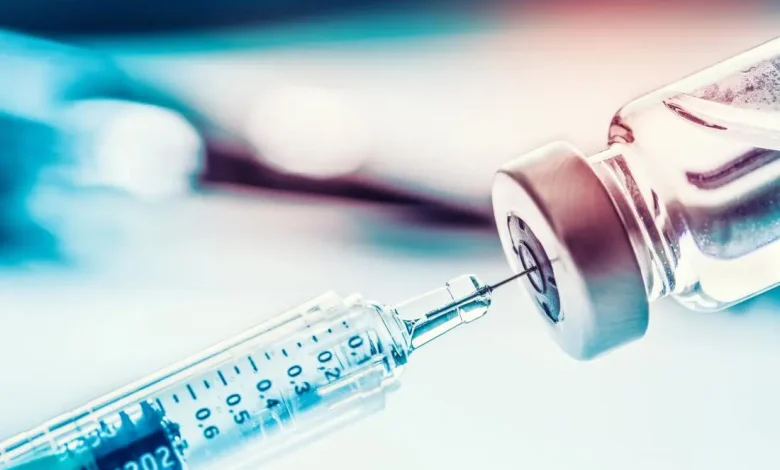
Nigeria spends about $150 million every year to procure vaccines, Muyi Aina, chief executive officer of the National Primary Health Care Development Agency (NPHCDA), disclosed Tuesday while also noting that donor support that funds a significant part of this cost is declining significantly.
Aina, speaking at a press briefing organised by the agnecy explained that the cost of vaccines is shared between the federal government and international development partners, such as Gavi. He said the federal government negotiations each year are always aimed at securing as much donor support as possible to ease pressure on government finances.
The NPHCDA Boss said donor assistance, however, is on a steady downward trajectory, describing it as “just drying up” not only for vaccines but across global health and development financing.
Consequently, Aina said federal government is now pushing to increase domestic financing, including federal allocations, state contributions, and broader fiscal conversations aimed at sustaining immunisation programmes which he said are cost intensive.
Aina noted that the country also bears significant additional costs linked to immunisation delivery, including cold chain infrastructure, incinerators, waste management equipment, and other logistics required to ensure safe storage and distribution.
“All of this is to tell you that it’s a hell of a lot of money. The government of Nigeria is also doing its best now to try to increase what we call domestic financing. he said.
On primary healthcare reforms, Aina said the sector has benefited from what he described as “unprecedented attention” from President Bola Tinubu, which he said has created a more enabling environment for reforms at the National Primary Health Care Development Agency.
He said the administration’s focus on strengthening primary healthcare has driven increased investment through the Basic Health Care Provision Fund, which sits at the centre of primary healthcare financing and is used to make facilities service-ready and expand coverage for vulnerable populations.
According to him, between 2023 and 2025, a total of N70.6 billion had been released through the fund. He added that functional Level 2 primary healthcare centres have increased by 59% since March 2024 compared with levels two years earlier, reflecting what he described as progress in expanding service delivery capacity at the grassroots.
He also said utilisation of primary healthcare services has risen significantly, with general attendance increasing from 29 million per quarter in mid-2023 to 45.4 million by the fourth quarter of 2024, with even higher figures recorded in 2025.
On workforce development, Aina said 78,000 health workers have so far been trained out of a planned 120,000. He noted that the training process is capital-intensive and logistically demanding, involving the movement of personnel across long distances for structured, classroom-based instruction.
He said the scale of investment reflects both the ambition and the cost of strengthening Nigeria’s primary healthcare system at a time of tightening global health financing.