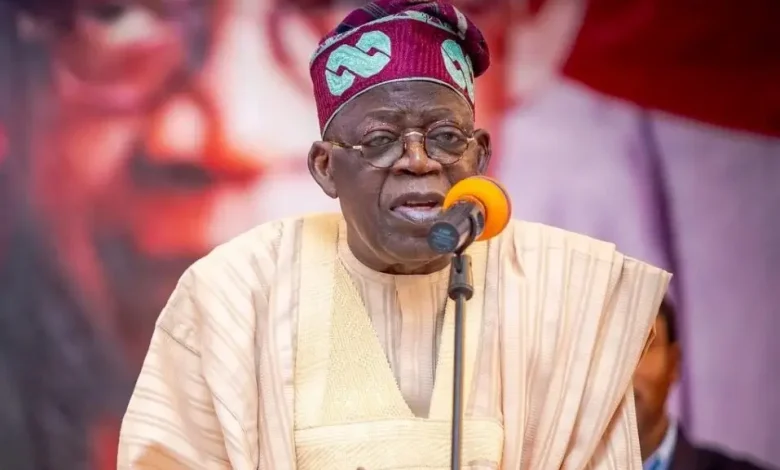
The Special Adviser to the President on Media and Public Communication, Sunday Dare, has defended the economic reforms introduced by President Bola Tinubu, saying the policies were difficult but necessary to prevent the country from sliding into a deeper economic crisis.
Dare said the administration’s decisions, including the removal of petrol subsidy and reforms in the foreign exchange market, were taken to restore fiscal stability, rebuild investor confidence and reposition Nigeria for sustainable growth.
Papers News reports that the Presidential aide spoke on Saturday at a Northern Stakeholders Town Hall engagement held in Kaduna State.
The event was organised by supporters of President Tinubu under the umbrella of the Tinubu Door-to-Door Movement, with participants expressing support for the President’s re-election bid ahead of the 2027 general elections.
Dare said that although Nigerians had experienced hardship following the implementation of some of the reforms, the policies were designed to address long-standing structural problems in the economy.
According to him, the government could not continue with policies that placed heavy pressure on public finances without producing sustainable benefits for the country.
He described the reforms as “difficult but necessary,” adding that they were already producing positive outcomes in key areas of the economy.
The presidential aide said the fuel subsidy removal and foreign exchange reforms were part of a broader plan to place Nigeria on a stronger economic footing.
He added that the administration remained committed to implementing policies that would improve the country’s fiscal position and create conditions for long-term development.
The organisers of the engagement said the town hall was designed to deepen public understanding of government policies and provide an avenue for grassroots stakeholders to give feedback on governance and policy implementation.
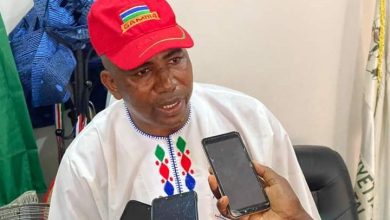
The National Coordinator of the PBAT Door-to-Door Movement, Sunday Adekanbi, said the forum was part of efforts to bridge the gap between the government and the people.
He explained that direct engagement with citizens remained important, especially at a time when major reforms were being implemented across different sectors.
Adekanbi said the movement would continue to create platforms where stakeholders could ask questions, make observations and contribute to discussions around national development.
NIPSS Expert Reviews Economic Impact
Other speakers at the event reviewed the Tinubu administration’s governance style and examined key reforms introduced by the Federal Government.
Among them was Professor Solomon Gushibet, Head of the Centre for Financial Economics at the National Institute for Policy and Strategic Studies, Kuru.
Gushibet spoke on the economic implications of the Federal Government’s reforms and their long-term impact on national development.
He noted that the success of such reforms would depend on consistent implementation, effective communication and the ability of the government to respond to the concerns of citizens.
The discussions also touched on infrastructure development initiatives and social investment programmes under the Tinubu administration.
Representing Kaduna State Governor Uba Sani, the Commissioner for Information and Culture, Ahmed Maiyaki, said the removal of petrol subsidy had produced positive effects at the subnational level.
Maiyaki said the policy had increased the capacity of states to pursue development programmes and support governance priorities.
He also linked the gradual return of peace in previously troubled communities across Kaduna State to deliberate governance and security strategies implemented by the state government.
According to him, the state government would continue to support policies that promote security, development and economic stability.
Participants at the town hall called for continuity in government policies, saying long-term economic stability required sustained implementation of reforms.
Papers News reports that several stakeholders at the event also expressed support for President Tinubu’s re-election bid, arguing that policy consistency would allow the administration to consolidate on its current programmes.
The organisers disclosed that similar town hall engagements would be held in other parts of the country ahead of the 2027 general elections.
They said the engagements would help sustain dialogue between the government and citizens while allowing communities to assess policies and make their views known.