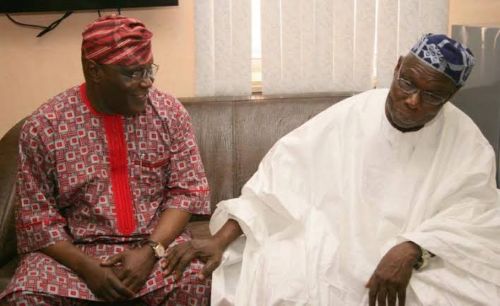
A former Cross River State Governor, Donald Duke, has recounted how rumours of a possible military coup in Nigeria got to former President Thabo Mbeki of South Africa as the then President Olusegun Obasanjo prepared for a second term election in 2003.
Former Governor Duke shared the account in reflection on the fierce political battle surrounding Obasanjo’s bid for a second term.
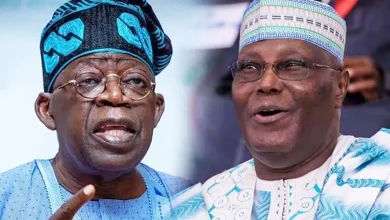
This was also amid the growing disagreement between Obasanjo and his deputy, Atiku Abubakar.
According to Duke, the political tension had become so serious that it caught the attention of South African officials.
He recalled that then Niger State Governor, Abdulkadir Kure, received an unexpected call from South Africa’s High Commissioner to Nigeria, Bangumzi Sifingo.
The diplomat reportedly told Kure that President Mbeki wanted to speak with him.
When Mbeki eventually called, Duke said the South African president went straight to the point.
He reportedly asked Kure if it was true that Nigeria could face a military coup if Obasanjo sought and won a second term in office.
The question reportedly caught Kure off guard.
He asked Mbeki where such a serious claim had come from.
According to Duke’s account, Mbeki revealed the source of the information, although Duke did not identify that source in his recollection.
Concerned by what he had just heard, Kure reportedly went straight to the Presidential Villa to brief Obasanjo.
The episode came at a time when the relationship between Obasanjo and Abubakar was already under severe strain.
Duke recalled receiving a late night call from Obasanjo during the crisis.
The then president, he said, was frustrated by what he considered betrayal from his deputy and was even contemplating abandoning his second-term ambition.
Duke travelled to Abuja the following morning and tried to convince Abubakar that taking on an incumbent president would be a difficult political gamble.
To make his point, Duke said he brought out a map of Nigeria and placed it on Abubakar’s table.
He then asked him a simple question: where exactly was the electoral path that would allow him to defeat a sitting president who had the machinery of government behind him?
But the disagreement between Obasanjo and Abubakar continued to deepen.
As the political battle intensified, rumours of possible military intervention became part of the wider anxiety surrounding the election.
And, according to Duke, the fact that the issue had reached Mbeki showed just how seriously the political crisis was being viewed beyond Nigeria.
Duke’s recollection provides a glimpse into the uncertainty surrounding Obasanjo’s second-term bid — and the private conversations, fears, and political calculations that were taking place far away from the public campaign.
It is one of several striking episodes from Duke’s political journey that shed light on what was happening behind the scenes during some of Nigeria’s most consequential political moments.