Nigeria’s average inflation rate fell sharply over the past year, dropping by 12.21 percentage points as the sustained slowdown in consumer price growth strengthened the country’s improving inflation outlook.
The National Bureau of Statistics said the 12-month average headline inflation rate stood at 16.89% in July 2026, compared with 29.10% in July 2025.
The decline represents a substantial shift in Nigeria’s inflation trajectory after an extended period in which households and businesses faced elevated increases in the cost of goods and services.
The latest reading means average inflation over the 12 months ending July 2026 was considerably lower than the corresponding average recorded a year earlier.
The improvement is also reflected in the latest monthly headline numbers.
Nigeria’s annual headline inflation eased to 15.43% in July 2026 from 15.91% in June, a decline of 0.48 percentage points.
On a month-on-month basis, the headline index increased by 1.57% in July, slightly below the 1.66% recorded in June.
The broader decline in average inflation suggests that the intensity of price increases experienced across the economy has moderated considerably compared with the previous year.
However, the July report also shows that inflationary pressures have not disappeared.
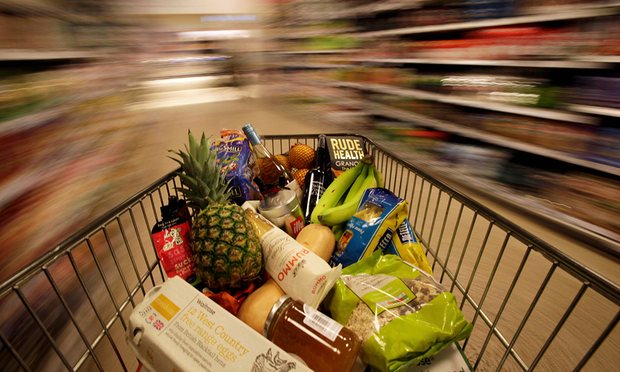
Food inflation remained particularly significant, standing at 20.31% year-on-year in July.
More importantly, food prices accelerated sharply on a monthly basis with food inflation rising to 5.56% from 3.75% in June.
The increase was driven by higher prices across several commonly consumed products, including rice, garri, fresh pepper, onions, tomatoes, water yam, plantain, beef and eggs.
Core inflation, which excludes volatile agricultural produce and energy prices, presented a different picture.
The core inflation rate stood at 16.06% year-on-year in July, while the month-on-month rate slowed sharply to 0.15% from 1.66% in June.
The divergence indicates that while broader underlying price pressures moderated during the month, food remained an important source of inflationary pressure.
Urban consumers also continued to experience higher inflation than their rural counterparts.
Urban inflation stood at 16.12% year-on-year, compared with 13.77% in rural areas. On a monthly basis, urban inflation was 1.90%, while rural inflation stood at 0.78%.
Food and non-alcoholic beverages remained the largest contributor to Nigeria’s headline inflation, accounting for 6.18 percentage points of the overall rate.
Restaurants and accommodation services contributed 1.99 percentage points, transport contributed 1.64 percentage points, while housing, water, electricity, gas and other fuels accounted for another 1.30 percentage points.
The decline in Nigeria’s 12-month average inflation from 29.10% to 16.89% therefore points to significant progress in slowing the pace of overall price increases.
However, the renewed acceleration in monthly food inflation shows that the disinflation process remains uneven, with the cost of essential food items continuing to exert pressure on Nigerian households.