Dangote Refinery Wins Extended Court Protection Against NMDPRA as Propane Dispute Deepens

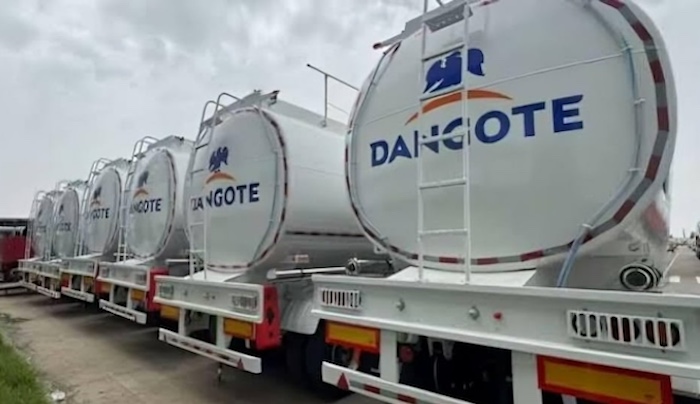
Dangote Petroleum Refinery has secured extended court protection against the Nigerian Midstream and Downstream Petroleum Regulatory Authority (NMDPRA), allowing the $20 billion facility to continue operations without regulatory interference while a dispute over propane loading and oversight of petroleum facilities in free zones remains before the court.
Justice Akintayo Aluko of the Federal High Court in Lagos extended an interim order restraining the NMDPRA from interfering with the refinery after both parties returned to court on Wednesday.
The protection, first granted on August 31, will remain in force pending the hearing and determination of Dangote Refinery’s motion on notice or until the court issues a further directive.
The latest ruling followed an attempt by the NMDPRA to have the interim injunction discharged.
The regulator challenged the circumstances under which the initial order was obtained and raised concerns over propane distribution from the refinery, while Dangote maintained that the authority’s actions amounted to regulatory overreach.
The dispute began after the NMDPRA issued a directive on August 24 suspending propane loading and truck-out operations at the Lekki-based refinery.
Dangote subsequently approached the Federal High Court seeking protection against enforcement of the directive and broader interference with its operations.
The court initially restrained the regulator from shutting, sealing, restricting access to or otherwise disrupting activities at the refinery while the legal questions raised by the company were considered.
NMDPRA Raises Propane Safety Concerns
At the centre of the dispute are allegations concerning the movement and use of propane after leaving the refinery.
The NMDPRA told the court that its investigation followed concerns about the composition of Liquefied Petroleum Gas at some downstream facilities.
According to the regulator, tests conducted on samples obtained from three LPG plants indicated propane concentrations above the level it considered appropriate for the standard propane-butane mixture used in the market.
The authority said its investigation subsequently led it to examine the sources and movement of propane supplied to downstream operators.
As part of that process, the regulator alleged that discrepancies emerged between volumes collected from Dangote Refinery by some off-takers and quantities eventually confirmed as delivered to stated destinations.
In one instance presented by the regulator, an off-taker was said to have collected 25 truckloads of propane for delivery to another facility, while only six were subsequently confirmed as received at the stated destination.
The NMDPRA therefore questioned the destination of the remaining 19 trucks and argued that the situation warranted further investigation.
The allegations remain disputed and have not been determined by the court.
Beyond product movement, the regulator raised safety concerns about the handling of high-propane mixtures at facilities that may not have been designed for them.
It argued that the suspension of loading was intended to allow investigations and additional safeguards rather than permanently halt the refinery’s operations.
Dangote Rejects Responsibility for Off-Takers
Dangote has pushed back against the regulator’s position, arguing that products leaving the refinery are inspected before collection and that independent buyers assume responsibility for them after purchase.
The company’s position is that NMDPRA personnel already operate within the refinery and inspect products before they are released.
Dangote therefore questioned why the refinery should be held responsible for what an independent purchaser does with a product after collection.
The company also challenged the regulator’s attempt to restrict access to its operations, leading to the application for judicial protection.
The disagreement has consequently expanded beyond the immediate question of propane distribution into a broader contest over the limits of regulatory authority.
Free-Zone Regulation Emerges as Bigger Battle
A potentially more consequential issue before the court concerns whether the NMDPRA can exercise the same regulatory powers inside a designated free zone that it exercises elsewhere in Nigeria’s petroleum industry.
Dangote Refinery operates within the Lekki Free Zone.
The refinery’s legal position challenges the extent of the NMDPRA’s oversight powers within such zones.
The NMDPRA takes the opposite position.
It maintains that the Petroleum Industry Act gives it responsibility for regulating midstream and downstream petroleum activities throughout Nigeria and that locating a refinery, terminal or other petroleum facility inside a free zone does not remove the operation from petroleum-sector regulation.
The regulator had earlier communicated this position to industry operators, maintaining that free-zone incentives do not amount to exemptions from technical, operational, commercial and safety requirements imposed under petroleum legislation.
The eventual determination of the dispute could therefore have implications extending beyond Dangote Refinery.
Nigeria uses free zones to attract investment by providing companies with tax, customs and administrative incentives.
A judicial determination of how those privileges interact with sector-specific regulatory laws could affect other petroleum, petrochemical and industrial companies operating within designated economic zones.
Court Keeps Existing Protection in Place
The NMDPRA sought to overturn the interim protection during Wednesday’s proceedings, arguing against the basis on which it had been granted.
Dangote’s lawyers requested additional time to respond to the regulator’s court filings.
Justice Aluko did not determine the substantive dispute but extended the existing injunction, preserving the refinery’s current operating position while the legal process continues.
The judge also directed that the case file be returned to the court registry for reassignment to a regular court as the Federal High Court’s annual vacation period comes to an end.
The result means the NMDPRA remains restrained from taking the actions covered by the interim order unless another court directive changes the position.
It does not, however, amount to a final ruling that the regulator lacks jurisdiction over the refinery or that its propane-related concerns are unfounded.
Those questions remain for substantive determination.
Outcome Could Reshape Petroleum Regulation
The dispute comes at a critical period for Nigeria’s downstream petroleum industry.
Dangote Refinery has become increasingly important to domestic petrol, diesel, aviation fuel and LPG supply, while the Federal Government is seeking to reduce Nigeria’s dependence on imported petroleum products.
Any prolonged regulatory confrontation involving the refinery could therefore have implications for product supply, investment confidence and downstream market stability.
For the NMDPRA, the case also touches the foundation of its authority under the Petroleum Industry Act.
A ruling substantially limiting its jurisdiction over petroleum operations situated in free zones could create a regulatory distinction between companies operating within such zones and competitors located elsewhere.
Conversely, confirmation of the regulator’s jurisdiction would establish that free-zone status does not shield petroleum companies from the NMDPRA’s technical and operational supervision.
For now, Dangote Refinery retains the immediate advantage.
The extended injunction protects the facility from the regulatory actions covered by the order while the court prepares to address the substantive questions behind the dispute.
What started as a disagreement over propane loading has therefore developed into a potentially significant test of the boundaries between Nigeria’s free-zone framework and the powers granted to its downstream petroleum regulator.