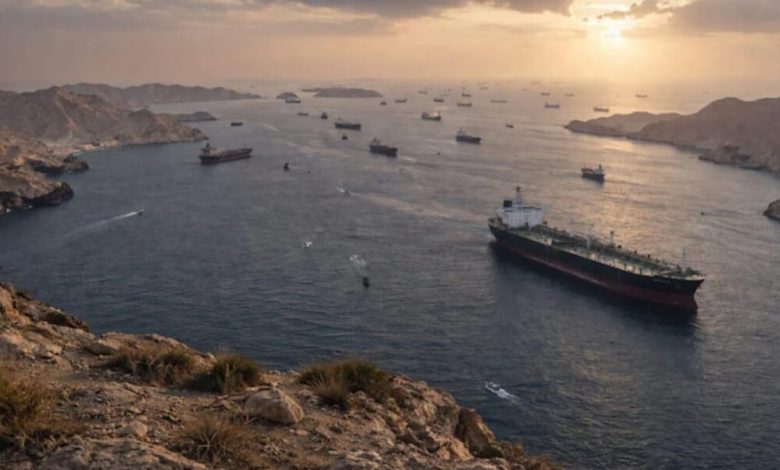
The cost of transporting oil through the Strait of Hormuz has surged to as much as $20 million per voyage as escalating attacks on tankers and growing insurance risks make one of the world’s most important energy shipping routes increasingly expensive to navigate.
Paul Bradshaw, a director at Emirates National Oil Company, said transit costs through the waterway have risen to between $10 million and $20 million as insurers and shipowners demand substantially higher compensation for operating in the conflict zone.
The increase represents another layer of pressure on the global oil market at a time when Brent crude has already climbed above $100 per barrel and physical petroleum supplies from the Middle East have tightened.
Cargo insurance alone can now reach between 5 percent and 6 percent of the value of a shipment, potentially adding another $10 million to the cost of moving a cargo through the region.
Additional war-risk premiums have also risen sharply.
Before the conflict, the additional premium associated with a Hormuz transit could effectively be zero. Bradshaw said rates can now reach as much as 10 percent of cargo value depending on the voyage and level of risk involved.
The sharp increase means oil traders are no longer dealing only with higher crude prices.
They must also absorb substantially higher costs to insure, charter and move barrels from producing countries in the Persian Gulf to refiners and consumers elsewhere in the world.
Some companies have responded to the increases by operating without full insurance coverage, while others have reconsidered whether the risks associated with entering the region are commercially acceptable.
The number of shipowners prepared to send vessels through the area has also declined because of concerns about the safety of crews and assets.
That reluctance can push freight rates even higher because fewer vessels are available to transport crude from Gulf producers.
National oil companies are responding by taking greater control of their own shipping operations rather than relying entirely on independent vessel owners.
Bradshaw said more state-owned producers have begun managing shipping directly, giving them greater control over vessels and their ability to move cargoes out of conflict zones when security conditions deteriorate.
The change illustrates how the war is altering the economics of the international oil trade beyond the headline movement in crude prices.
A barrel of crude can remain available at a producing country’s terminal, but its effective cost to an overseas refinery rises substantially when freight, insurance and security expenses increase.
That ultimately affects the delivered cost of crude and can feed through to refining costs and petroleum-product prices.
The disruption is particularly significant because Hormuz was responsible for around one-fifth of global crude oil and liquefied natural gas supplies before the Iran conflict began in February.
Saudi Arabia, the United Arab Emirates, Iraq, Kuwait and other producers depend to varying degrees on the waterway to reach international markets.
Shipping traffic has fallen dramatically since the conflict escalated.
Preliminary vessel-tracking data showed that only six commodity vessels passed through the Strait of Hormuz on Tuesday, compared with nine on Monday and a recent 10-day average of about 12.
Five of the six vessels were entering the Gulf and only one was exiting.
Before the war, approximately 125 large commercial vessels, including oil tankers and LNG carriers, typically moved through the strait each day.
Actual traffic may be higher than currently visible because some vessels are switching off their Automatic Identification System transponders while navigating the region to reduce their visibility.
The growing number of these so-called dark crossings has made it increasingly difficult for traders and analysts to determine precisely how much crude is leaving the Gulf.
That uncertainty itself is becoming another cost for the oil market.
Before the conflict, approximately 20 million barrels per day moved through Hormuz and flows could be estimated with reasonable accuracy.
Current estimates vary substantially depending on the vessel-tracking methodology used.
Kpler estimated that crude flows through Hormuz averaged around 4.3 million barrels per day in August and increased toward 5 million bpd during the first six days of September.
Other estimates have placed flows considerably higher.
The uncertainty means oil traders are making pricing and supply decisions without the level of visibility normally available for the world’s most important petroleum shipping corridor.
Security conditions deteriorated further this week after the United States attacked five Iranian oil tankers and Iran subsequently said it targeted 10 ships around the Strait of Hormuz.
Iran said the vessels included eight oil tankers and two US ships.
The UK Maritime Trade Operations agency has also received reports of merchant vessels being struck or damaged in the northern Gulf and Gulf of Oman.
The latest attacks represent one of the largest escalations against commercial and energy shipping since the current conflict began.
They also increase the probability that insurers will continue demanding substantial premiums before providing coverage for vessels operating in the region.
The cost implications extend beyond ships actually crossing Hormuz.
Vessels avoiding high-risk areas may have to take longer routes, while cargoes can require additional ship-to-ship transfers or alternative export terminals.
That ties up vessels for longer periods and reduces the number available elsewhere in the global tanker market.
The result can be higher freight rates even on routes that are geographically removed from the immediate conflict.
The impact is already combining with tighter physical crude supplies.
Middle Eastern producers have attempted to bypass Hormuz through pipelines and alternative ports, but those systems cannot fully replace the enormous volumes traditionally shipped through the strait.
Saudi Arabia has relied more heavily on its east-west pipeline network and Red Sea terminals, while the United Arab Emirates can move some crude through Fujairah outside Hormuz.
Iraq has also increased exports as regional producers attempt to compensate for disrupted supply.
Those alternatives helped limit the initial effect of the conflict on international oil prices.
However, attacks by Iran-backed Houthis on Saudi Arabian energy infrastructure have created additional concerns over Red Sea supply routes.
The widening security threat means oil companies are increasingly having to assess risk across both sides of the Arabian Peninsula.
Brent crude climbed above $100 per barrel on Wednesday for the first time since July, touching $100.19 as traders reacted to the latest attacks and deteriorating supply conditions.
But the increase in shipping costs means the benchmark price does not fully capture the expense facing refiners attempting to secure physical crude.
A buyer must pay for the crude itself and then bear freight, insurance, financing and other costs required to deliver the cargo.
When insurance and war-risk costs alone can add millions of dollars to an individual voyage, the effective price of securing Middle Eastern crude can rise substantially above the benchmark.
This is particularly important for Asian refiners, which are among the largest buyers of Gulf crude.
China, India, Japan and South Korea depend heavily on Middle Eastern petroleum supplies and therefore have significant exposure to prolonged disruption around Hormuz.
The increase could also affect African refiners that source international crude.
Dangote Petroleum Refinery, for example, has supplemented Nigerian feedstock with imported barrels, including crude from the United States and other markets.
Higher tanker and insurance costs can therefore influence decisions about where refiners source their crude, particularly when comparable grades are available from regions with lower transportation risk.
The disruption could eventually reshape global crude trade routes.
If Gulf barrels remain expensive or difficult to transport, refiners may increase purchases from the United States, West Africa, Latin America and other producing regions.
Such changes could strengthen demand for alternative crude grades while increasing tanker utilisation on longer voyages.
The result would be a reorganisation of international petroleum flows rather than simply a temporary increase in freight costs.
The shipping crisis also explains why the economic consequences of the Middle East conflict could persist even if physical oil production itself remains relatively resilient.
The world does not merely require sufficient crude production.
It requires vessels willing to transport those barrels, insurers prepared to cover the voyages and shipping corridors that can be navigated without unacceptable risk.
With Hormuz transit costs now reaching as much as $20 million per voyage, the cost of getting oil from producer to consumer is becoming an increasingly important part of the global energy shock.
Unless security conditions improve, those transportation costs could remain embedded in crude and petroleum-product prices even when barrels are technically available for export.