…Group demands answers on healthcare, education, job creation, public spending
Firdaus Obiremi
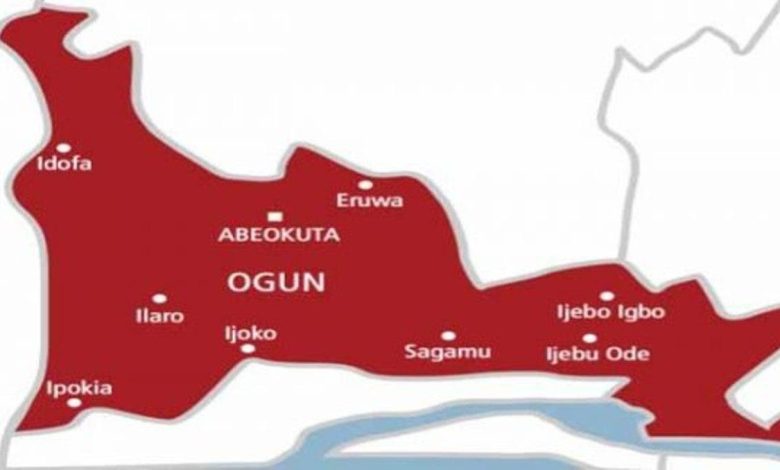
The Muslim Rights Concern (MURIC), Ogun State chapter, has challenged political aspirants preparing for the 2027 elections to move beyond the distribution of cash, vehicles, boreholes and other temporary benefits, insisting that voters deserve concrete plans for healthcare, education, job creation and sustainable development.
The organisation urged Muslims and other residents of the state to hold politicians accountable by demanding measurable commitments that address the challenges confronting communities, rather than allowing campaign gifts and political slogans to determine their choices at the polls.
MURIC said political debates ahead of the elections should focus on the availability of functional hospitals and primary healthcare centres, support for private school proprietors, policies to strengthen businesses, employment opportunities and mechanisms for monitoring elected officials’ performance.
The position was contained in a statement issued by the state chairman of MURIC, Ustaadh Tajudeen Jimoh Alao, and made public by the state secretary, Ambassador Olaleye Rasheed Damilare, on Sunday.
The organisation acknowledged the importance of interventions such as boreholes and educational materials but warned that such gestures could not replace effective governance, strong public institutions and long-term solutions to the people’s problems.
It said, “The electorate must not exchange its future for temporary benefits that disappear after election day.”
According to the organisation, the growing attention given to cash gifts, vehicles, boreholes and exercise books in political engagements raises questions about whether aspirants are adequately addressing the fundamental needs of the electorate.
MURIC maintained that politicians seeking public office should explain how their proposed policies would improve living standards, reduce economic hardship and ensure that development reaches rural communities and vulnerable populations.
On healthcare, the organisation cited concerns raised by the reported death of a gospel singer following unsuccessful attempts to obtain treatment at different hospitals, saying the incident underscored the need to improve access to emergency medical services.
It called for better-equipped hospitals, adequate medical personnel, affordable treatment and efficient emergency referral systems to reduce avoidable suffering and loss of lives.
The group urged political aspirants to explain how they intended to strengthen primary healthcare centres across wards and local government areas, stressing that access to medical attention should not depend on a person’s financial circumstances.
On education, MURIC said investments in impressive religious buildings and large auditoriums should be matched with intellectual development, quality teaching, mentorship and opportunities for young people.
It also called for constructive engagement between government and private school proprietors through consultation, capacity development, fair policies and practical support.
The organisation argued that education policies must address the realities confronting school operators while ensuring that students receive quality education capable of preparing them for employment and other productive opportunities.
On public expenditure, MURIC urged political leaders to demonstrate transparency and prudence, particularly when spending on religious pilgrimages competes with pressing social needs.
While acknowledging the spiritual importance of Hajj and pilgrimages to Jerusalem, the organisation questioned the justification for sending large delegations on such trips with public funds when critical sectors require urgent attention.
“We have seen politicians sending over 100 people to Hajj and Jerusalem,” the statement said, arguing that public expenditure must be justified, transparent and consistent with the public interest.
It urged citizens to demand accountability for funds allocated to healthcare, education, roads, sanitation and social welfare, adding that public resources should be deployed in ways that deliver tangible benefits to the population.