Daud Olatunji
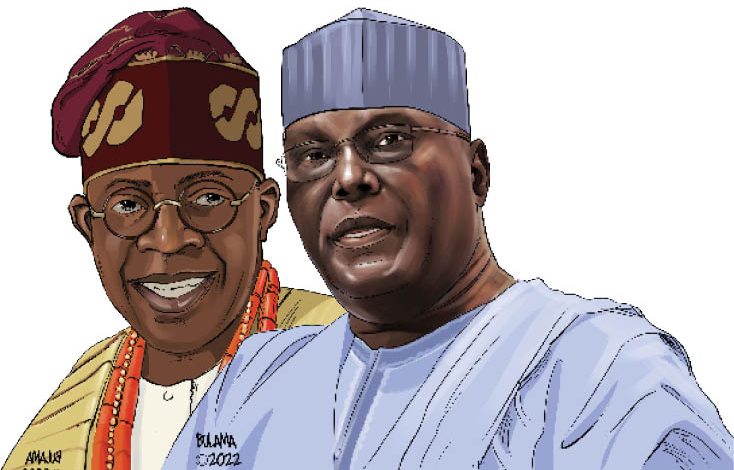
President Bola Tinubu has defended his administration’s removal of the petrol subsidy, declaring that Nigeria cannot return to what he described as a failed economic path amid growing political debate over the policy ahead of the 2027 presidential election.
Tinubu’s position appeared to be a response to former Vice-President Atiku Abubakar’s call for the restoration of the subsidy, which has remained a contentious issue following rising transport fares, food prices and the cost of living.
The President maintained that reversing the reforms introduced by his administration would amount to taking the country backwards, insisting that Nigerians must scrutinise the economic promises of opposition politicians rather than accept what he described as impractical solutions.
Tinubu spoke on Monday at an event tagged An Evening with the Original City Boy, organised by the City Boy Movement, a pro-Tinubu political group led by his son, Seyi Tinubu.
The gathering brought together senior government officials, lawmakers, youth leaders and supporters of the President as political mobilisation intensified ahead of the 2027 general election.
Although Tinubu did not mention Atiku by name in the relevant portion of his address, his remarks came amid renewed debate over the economic consequences of the subsidy removal and whether the policy should be reversed.
The President said he had taken difficult decisions from the beginning of his administration because he believed Nigeria could no longer sustain its previous economic trajectory.
“I took difficult decisions from the first day of this administration because I believed Nigeria could not continue on its previous path. We must not allow the country to go backwards,” he said.
He challenged his political opponents to explain how their proposals would address the country’s economic difficulties, urging Nigerians to compare their promises with the government’s record.
“You will hear our political opponents making promises, but you must examine those promises carefully and ask whether they offer practical solutions to the challenges facing Nigerians,” Tinubu said.
The President’s defence of the reforms comes as households continue to grapple with the effects of higher petrol prices, transportation costs and rising food prices.
While the Federal Government has repeatedly argued that subsidy removal was necessary to improve public finances and redirect resources towards development, critics have questioned the pace of implementation and the extent to which the resulting savings have translated into relief for ordinary Nigerians.
Tinubu said his administration inherited serious economic challenges when it assumed office on May 29, 2023, including difficulties meeting the government’s financial obligations.
“When we took office, we faced serious economic challenges. We were struggling to meet some of our obligations, including payments to airlines. Almost everything in Nigeria depends on transportation. Our national carrier and the aviation sector faced difficulties,” he said.
He added, “We could not simply continue printing money as though that were a sustainable solution.”
The President acknowledged the difficulties associated with his administration’s decisions, but insisted that leadership required accepting responsibility for policies considered necessary in the national interest.
“Looking back, I have learnt important lessons from the challenges of the past. The first lesson is that leadership requires taking responsibility for the consequences of one’s decisions,” he said.
Tinubu also dismissed predictions that young Nigerians would abandon his administration because of the economic hardship associated with its reforms.
He cited the turnout of supporters at the gathering as evidence that many young people remained willing to support his political agenda.