The Economic Community of West African States (ECOWAS) is working to curb substandard nursing and midwifery training institutions through harmonised accreditation criteria to protect patients and improve healthcare delivery across the region.
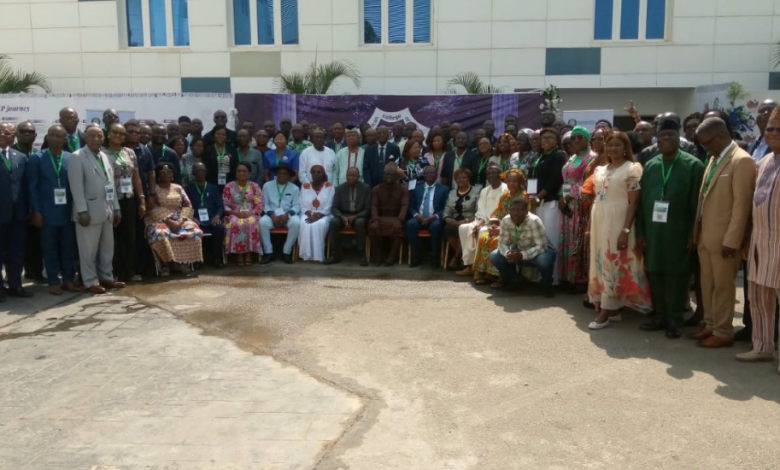
Prof. Koffi Balogou, President of the Regional Council for Health Professionals Education, said this at a regional workshop to finalise harmonised accreditation criteria for nursing and midwifery training institutions in Abuja.
Balogou said some institutions admitted students without meeting required academic standards and operated without qualified teaching staff, adequate infrastructure and essential learning resources, undermining professional standards and patient safety.
He warned that such practices exploited families investing in education and exposed populations to risks associated with inadequately trained health professionals.
He said the proposed accreditation framework would ensure that only institutions meeting established standards were authorised to provide nursing and midwifery education and award recognised qualifications.
Balogou added that the framework would protect families from institutions collecting training fees without providing adequate education or legitimate qualifications.
He said harmonised accreditation would also promote mutual recognition of professional qualifications and facilitate the movement of qualified nurses and midwives across ECOWAS member states.
Balogou commended the West African Health Organization (WAHO) for promoting harmonisation of health professional education and strengthening regional cooperation.
He also appreciated WAHO Director-General, Prof. Palokinam Pitche, for supporting the workshop, and the Nigerian Government for hosting participants in Abuja.
Similarly, Dr Awa Seck, representing Senegalese President Bassirou Faye, Chair of the ECOWAS Authority, said harmonised accreditation criteria would strengthen regional integration and improve nursing and midwifery education.
Faye said the quality of healthcare delivered to populations depended significantly on the education and training of professionals responsible for providing services.
He described nurses and midwives as the backbone of healthcare systems, noting their essential roles in communities and contributions to achieving universal health coverage.
According to him, harmonised accreditation is a strategic investment in patient safety, professional mobility and continuous improvement of healthcare delivery across West Africa.
Faye said the framework would establish common, recognised and rigorous standards for nursing and midwifery programmes, regardless of where professionals received their training.
He, however, emphasised that member states must ensure effective implementation, ownership and continuous improvement of the criteria beyond their formal adoption.
Faye expressed confidence that the workshop would produce a consensus that respected national circumstances while advancing shared regional objectives.
Earlier, Prof. Boni Avoaka, representing the Deans of Faculties of Health Sciences, said harmonised accreditation was essential to strengthening public health and improving the quality of health professional education.
Avoaka said nursing and midwifery professionals played fundamental roles in maternal, child and community health, making consistent and rigorous training standards imperative.
He said academic institutions had a responsibility to meet international training standards while supporting professional mobility through mutually recognised qualifications and credible accreditation mechanisms.
According to him, harmonisation will strengthen regional quality assurance, improve educational standards and foster trust among universities, faculties and training institutions.
Also speaking, Prof. Yao Tettey, representing West African professional colleges, urged participants to build on WAHO’s existing work on harmonised accreditation, training curricula, professional practice, ethics and workforce development.
Tettey said discussions during the West African College of Physicians’ 50th anniversary celebrations had highlighted the need for greater collaboration on accreditation of training institutions.
He urged professional colleges to avoid duplicating existing efforts and instead build on WAHO’s investments to ensure that harmonised frameworks benefited relevant institutions across the region.
Although the workshop focused on nursing and midwifery, Tettey said the participation of professional colleges, training institutions and regulatory bodies offered opportunities to develop accreditation criteria applicable across the region.
He urged participants to ensure that the final document met high standards and was disseminated to professional colleges, training institutions and regulatory authorities for adoption and implementation.
The three-day regional workshop, which opened in Abuja on Thursday, Oct. 29, is expected to finalise harmonised accreditation criteria for nursing and midwifery training institutions across ECOWAS member states.