Oba Eselu Warns Ogun Politicians: ‘Don’t Vote Candidates Who Ignore Calls, Messages’

Daud Olatunji
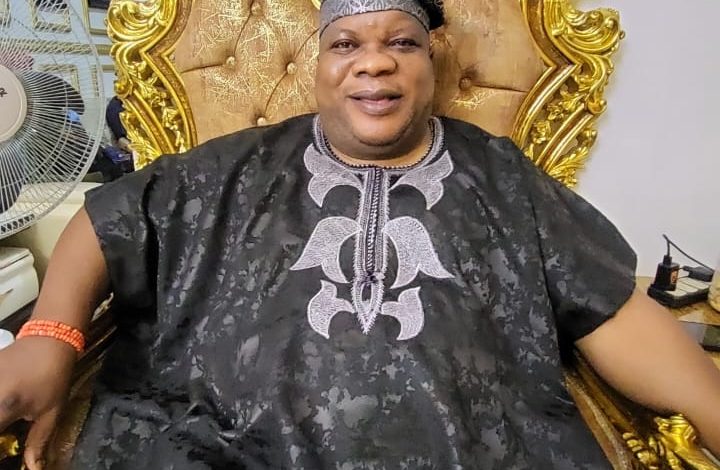
The Eselu of Iselu Kingdom in Yewa North Local Government Area of Ogun State, Oba (Dr.) Akintunde Akinyemi, has warned politicians seeking elective positions in the state against deliberately shutting themselves off from the people, saying candidates who refuse to answer calls or respond to messages do not deserve citizens’ votes.
The monarch, who described communication as a fundamental responsibility of public office holders, said the growing habit of some politicians and government officials becoming “incommunicado” could undermine public trust, accountability and good governance.
Oba Akinyemi made the position known in a candid admonition addressed to traditional rulers, chiefs, politicians, electorate and civil society organisations in Ogun State.
He expressed concern over the manner in which some public office holders handle communication with the people they lead, warning that failure to communicate effectively could create an information vacuum with serious consequences for governance and democracy.
According to him, when leaders fail to communicate with citizens, the vacuum created is often filled by rumours, misinformation, speculation and conspiracy theories.
The monarch said, “When a public office holder fails to communicate with his/her people, such an action creates a dangerous information vacuum that destroys public trust, breeds misinformation and paralyses governance.”
He added that persistent communication gaps could result in a breakdown of trust and loss of public confidence, making citizens feel ignored and disconnected from those elected or appointed to serve them.
Oba Akinyemi further warned that lack of communication could fuel suspicion of corruption, as silence by public officials might be interpreted by citizens as evidence of secrecy or an attempt to conceal wrongdoing.
He said effective communication was also essential to accountability, stressing that officials could not be effectively held responsible for their actions where there was inadequate transparency.
The monarch stated that communication remained “the vehicle for transparency,” adding that its absence could make it difficult for citizens to understand government decisions and demand explanations from those in authority.
He also identified the spread of fake news and politically motivated narratives as other consequences of poor communication by public officials.
According to him, rumour mills quickly take advantage of information gaps, while political opponents may seize the opportunity to define an official’s record, motives and policies before the affected public office holder has the opportunity to respond.
He said the situation could become even more dangerous during emergencies, including natural disasters and economic crises, when failure to communicate promptly could trigger panic and undermine citizens’ compliance with necessary directives.
“Without mincing words, the habit of responding to calls and messages is a key responsibility of any public office holder,” the monarch said.
He argued that accessibility should be considered an important quality in selecting political leaders, particularly at a time when citizens expect those seeking their votes to remain accountable and accessible.
Oba Akinyemi therefore urged traditional rulers, chiefs, politicians, voters and civil society organisations in the state to scrutinise the accessibility and communication habits of candidates before supporting them at the polls.
He specifically advised the electorate not to vote for governorship candidates or other politicians seeking elective positions who deliberately make themselves inaccessible to the people they seek to govern or represent.
The monarch maintained that social status, political influence or wealth should not exempt any candidate from the basic responsibility of communicating with citizens.
He said, “Any public office holder or party’s candidate who makes himself/herself incommunicado does not deserve the votes of Ogun traditional rulers or the votes of the entire citizens of Ogun State.”