Presidency faults Economist’s report on Tinubu, says Nigerians love president

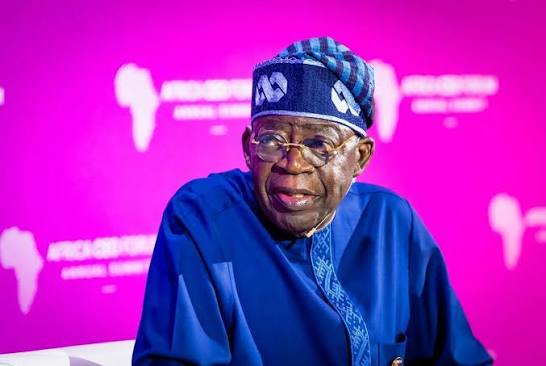
The Presidency has rejected a recent report by The Economist which suggested that President Bola Tinubu could face significant public dissatisfaction ahead of the 2027 presidential election.
The magazine, in a report published on October 1 titled “Nigerians dislike their president, but may re-elect him anyway,” attributed the reported discontent to the worsening security situation, the effects of the administration’s economic reforms and the emergence of political challengers.
But the Special Adviser to the President on Media and Public Communications, Sunday Dare, dismissed the report, accusing the magazine of relying on what he described as a distorted assessment of the country.
In a statement on Wednesday, Dare said The Economist’s position “smells of opposition and is riddled with inconsistencies”.
The magazine had argued that Tinubu’s prospects in the 2027 election could be influenced by Nigeria’s complex electoral environment rather than broad satisfaction with his administration.
“Incumbents, with access to the ruling-party machinery and plentiful cash to dole out goodies, have tended to have an advantage in recent Nigerian elections,” The Economist stated.
Dare, however, defended the administration’s record since Tinubu assumed office in May 2023, arguing that the government inherited serious economic and structural challenges.
“In their rush to paint a picture of impending doom, structural paralysis, and widespread citizen despair, these overseas observers routinely traffic in sensationalist half-truths,” he said.
“They love to peddle the lazy, hollow fiction that ‘Nigerians hate President Bola Ahmed Tinubu,’ packaging localised administrative growing pains into neat, uniform narratives of national rejection.
“This is not merely analytical laziness; it is an intellectual fraud. It completely overlooks the monumental, Herculean task of national salvage undertaken by the Tinubu administration since May 2023.
“President Tinubu did not inherit a functioning, well-oiled state; he inherited a broken economic ecosystem on the precipice of total sovereign bankruptcy.”
Presidency defends reforms
Dare said successive governments had struggled with structural economic problems, including the petrol subsidy regime and multiple foreign exchange windows.
For decades, he said, petrol subsidies had been a major drain on public finances, “feeding the insatiable greed of a parasitic portfolio oil mafia while mortgaging the future of generations”.
“The Nigerian economy groaned under multiple, distorted foreign exchange windows that bred corruption and choked legitimate enterprise,” he said.
“Debt service-to-revenue ratios hovered near a staggering 95%, leaving the treasury virtually empty. Decades of underinvestment left critical national assets, security architecture, energy grids, and infrastructural arteries severely fractured.
“Yet, rather than kicking the can down the road like his predecessors, President Tinubu summoned the political courage to confront these structural contradictions head-on.
“By decisively terminating the burdensome fuel subsidy on Day One, the administration stopped the bleeding of national resources, saving the federation trillions of Naira and redirecting funds toward productive capital development and fiscal sustainability.”
The presidential aide also highlighted the Nigerian Education Loan Fund, saying its implementation had enabled hundreds of thousands of students to pursue higher education without paying tuition upfront.
“Walk into the lecture halls of federal and state universities, and you will find students and relieved parents whose educational dreams have been rescued by NELFUND,” he said.
Dare also pointed to wage reforms, increased financial autonomy for local governments and interventions in agriculture as examples of policies he said were benefiting Nigerians.
“Speak with public servants whose take-home monthly pay has been elevated by progressive wage reforms. Speak with local government chairmen and community leaders who finally have the financial independence to execute localised projects. Engage farmers witnessing targeted interventions.
“These citizens recognise a leader doing the heavy, foundational lifting — someone cleaning up decades of accumulated governance debris. They know that the current reforms are the bitter medicine required to cure a chronic national ailment.”