Dangote Unveils Regional Power Initiative To Tackle West Africa’s Electricity Crisis

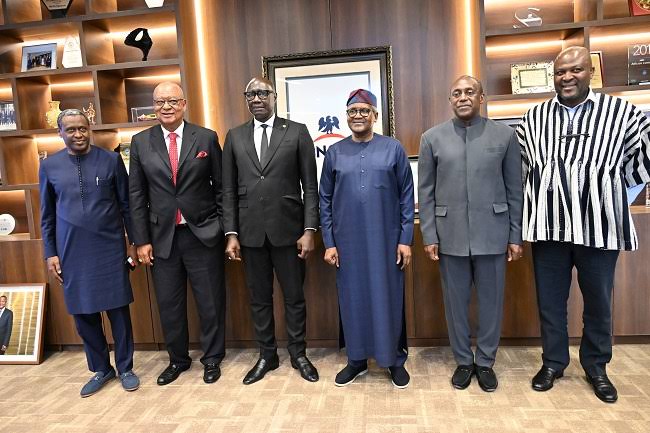
He warned that unreliable electricity was diverting capital away from manufacturing, while excessive freight charges, inadequate infrastructure and border delays were undermining regional trade and industrial competitiveness.
“A manufacturer who generates his own electricity is effectively operating two businesses: the business he originally intended to establish and an electricity business he was compelled to establish,” he said.
“He commits capital, employs personnel and assumes operational risk that his competitors in more industrialised economies do not ordinarily have to bear.”
Dangote noted that thousands of enterprises across the region were independently financing solutions to the same electricity problem, committing resources that could otherwise be channelled towards expanding production and creating employment.
“Imagine how much additional manufacturing capacity we could establish if a significant proportion of the capital were directed into actual production, not generating power,” he said.
The billionaire industrialist proposed treating electricity as a shared regional industrial input, allowing manufacturers to establish factories based on commercial advantages rather than their ability to generate power independently.
He maintained that West Africa’s energy resources, existing transmission infrastructure and unmet industrial demand provided the foundation for a commercially viable regional electricity corridor driven substantially by private investment.
Dangote pledged to lead the initiative, invest in enabling infrastructure and mobilise other businesses, investors and financial institutions to support its implementation.
He explained that the Council would identify industrial demand capable of supporting long-term electricity purchases, assess generation and transmission opportunities, and bring together investors, lenders and technical partners.
The initiative would build on existing regional investments, particularly the West African Power Pool, while prioritising a manageable number of commercially viable projects capable of being replicated across the region.
“A successful initial investment will do more to attract additional capital than an extensive catalogue of untested proposals,” he said.
Dangote also called for the establishment of a small implementation team with clearly defined responsibilities and a timetable for presenting the first investment proposals to the Council.
Speaking to journalists after the meeting, he highlighted the high cost of regional commerce, citing his company’s experience transporting industrial materials between Nigeria and Ghana.
“For example, today we take clinker to Ghana. The amount of money we pay, which is just one and a half days of steaming, is more than what we are paying taking gypsum from Spain, which is 12 days,” he said.
Dangote argued that such disparities undermined the competitive advantages neighbouring countries should enjoy and weakened regional production networks.
He said businesses should be able to manufacture goods in Côte d’Ivoire or Ghana and sell competitively in Nigeria, but inadequate roads, checkpoints and border delays continued to frustrate regional commerce.
The industrialist also expressed support for the proposed six-lane Abidjan–Lagos highway, urging governments and investors to develop it into an integrated economic corridor incorporating electricity infrastructure, manufacturing clusters, logistics hubs and industrial parks.
He said the Council would engage governments directly on obstacles to investment and seek the intervention of the ECOWAS Commission where regional action was required.