Environmental Group Deploys Methane Alarms As Gas Leakage Threatens Bille Residents

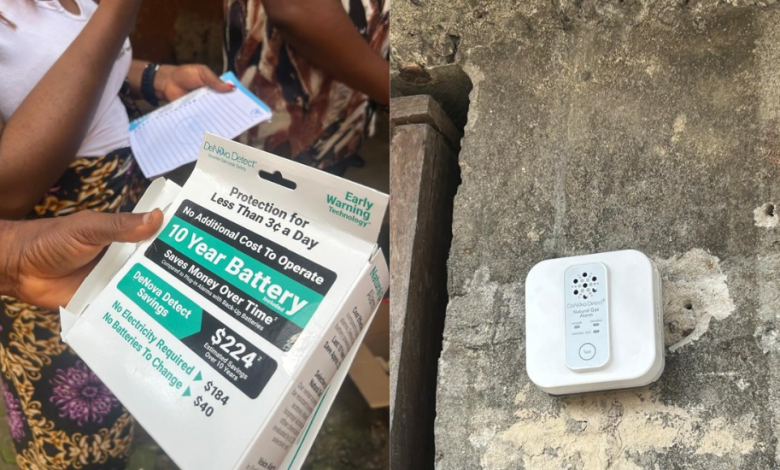
The persistent gas leakage threatening lives and livelihoods in Bille Community, Degema Local Government Area of Rivers State, has prompted the installation of methane detection alarms at strategic locations to alert residents to potentially dangerous gas concentrations.
The Pilex Centre for Civic Education Initiative deployed the detection devices in November following reports of prolonged gas seepage, multiple gas eruptions and fire incidents in the oil-producing community.
The intervention is aimed at providing early warning to residents in the event of dangerous accumulation of methane or other highly inflammable gases, allowing them to take precautionary measures and move to safer locations before possible explosions.
Coordinator of the Pilex Centre, Courage Nsirimovu, said the installation followed consultations with foreign scientists who recommended the use of gas detection devices as an immediate safety measure in the community.
He said the alarms were designed to automatically sound when gas concentrations reach dangerous levels, warning residents to suspend activities involving naked flames, including cooking and smoking, and evacuate potentially hazardous areas.
Nsirimovu said the intervention was driven by concerns over the danger posed by the persistent gas emissions, including the death of a resident, Joy Amos, who reportedly suffered severe burns in a domestic gas explosion.
“We don’t want another death in Bille. We value lives. The gas alarm will trigger and beep when the concentration of methane or other highly inflammable gases becomes dangerously high, thereby warning residents to move to safety,” he said.
The coordinator said the continued gas leakage had become a serious threat to the health, safety, livelihoods and dignity of residents, with its effects extending beyond individual households to economic and social activities in the community.
He also expressed concern over reports that gas pollution had extended to educational facilities, potentially exposing schoolchildren and teachers to hazardous conditions.
According to him, the organisation would pursue justice for residents of Bille after concluding its investigations into the environmental and safety concerns surrounding the gas leakage.
Nsirimovu disclosed that the methane detection equipment was provided by the Environmental Law Alliance Worldwide (E-LAW) and comprised portable alarms deployed for installation and field monitoring.
He explained that the devices would enable residents to identify potentially dangerous gas concentrations early and take precautionary measures to reduce the risk of explosions and other gas-related incidents.
However, he stressed that the installation of the alarms was an immediate protective intervention and not a substitute for addressing the source of the gas leakage.
Nsirimovu called on government authorities and relevant oil and gas regulatory agencies to urgently undertake environmental remediation, properly cap or decommission dangerous wells and implement other measures to stop the persistent gas emissions.
He also advocated emergency protective measures, including the evacuation of residents in locations where gas concentrations pose an immediate threat to human lives.
Some community members commended the Pilex Centre and its partners for the intervention but urged government authorities to go beyond the distribution of relief materials and address the underlying cause of the gas leakage.
They called for sustained environmental and safety monitoring, additional protective equipment and lasting interventions to safeguard residents, property and community infrastructure.