GTCO Unveils Year-Round Fashion Collective To Connect African Designers With Global Markets

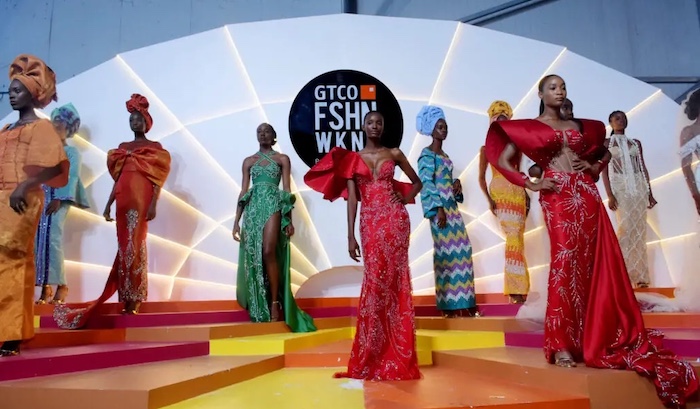
The financial institution announced the platform on Thursday at a press briefing ahead of its 9th Fashion Weekend slated for November 7 and 8 at Plot 1, Water Corporation Drive, Oniru, Lagos.
Head of Corporate Communication, Oyinade Adegite, said the move shifted GTCO’s intervention from a two-day spectacle to permanent infrastructure for the in-dustry.
Adegite stated, “Over the past nine years, the GTCO Fashion Weekend has done what many thought un-likely – built Africa’s most exciting fashion experiences on the back of a financial institution’s commitment to promoting enterprise.”
She added, “This year, we are introducing the GTCO Fashion Collective, a year-round platform that con-nects every part of our fashion ecosystem: designers, models, stylists, photographers, editors, buyers, con-tent creators and the broader creative community.”
At the heart of the collective is a Manufacturer and Textile Directory documenting artisans behind indige-nous fabrics, a segment that has remained commer-cially invisible, despite powering African fashion’s global rise.
The issue the platform tackles is long-standing: while African designers win international acclaim, the mak-ers of the textiles that define the aesthetic operate without structured market access, visibility or con-sistent commercial linkage.
The result is a fragmented value chain where momen-tum dies after fashion week.
GTCO’s 9th Fashion Weekend will still feature master-classes with Renee Morris, Sherlina Nym and Rachel Ojuromi, presentations by designers, including Spec-trum by Aisha, MSO Lagos, Cisca Cecil, Sheye Oladejo, Meme Rocha and Mide World, alongside retail outlets, craft and fabric market and runway shows.
But the bank says the real investment is beyond the weekend – building directories, networks and continu-ous market linkages that allow fashion enterprises to scale.
The initiative positions GTCO not just as a sponsor of fashion, but as a builder of systems that connect the weaver to the designer to the international buyer, turning seasonal excitement into sustained economic opportunity for Lagos’ creative economy.
The collective aims to keep professionals linked 365 days, not just two days. To keep opportunities circulat-ing, collaborations alive, and indigenous production systems visible and viable.
It is a move from sponsorship to institution-building – from funding a show to organising a value chain. For a city like Lagos that wants to be Africa’s true fashion capital, and for an industry where global brands are now hunting for authenticity and traceable craftsman-ship, that organisation is competitive advantage.
The tents will still go up on November 7. The master-classes will still hold. But this year, the headline is not what happens on the runway. It is what GTCO is build-ing so that what happens after the runway finally mat-ters.
Mary Nnah