NAFDAC Cuts Registration Fees By 50% For Small Businesses, Pledges Faster Approvals

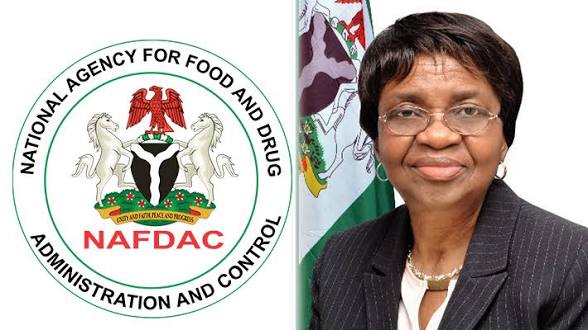
The Director-General of NAFDAC, Prof. Mojisola Adeyeye, gave the assurance at the SMEDAN-NAFDAC Summit in Lagos, where she unveiled measures to make product registration faster, cheaper and easier for micro, small and medium enterprises (MSMEs).
Adeyeye acknowledged that many entrepreneurs associate NAFDAC with high registration fees, bureaucratic delays and complicated documentation, but maintained that the agency was committed to supporting businesses rather than frustrating them.
In a statement signed by NAFDAC’s Media Consultant Sanyo Akintola, the DG described MSMEs as the backbone of Nigeria’s economy, noting that they generate employment, promote indigenous products and contribute significantly to the country’s industrial and export ambitions.
According to her, NAFDAC is repositioning itself as a business enabler while remaining firm on its responsibility to enforce safety, quality and regulatory standards.
“For many entrepreneurs, the journey from a promising idea in the kitchen, on the farm or in a small factory to a registered, trusted and exportable product is the most important journey of all.
“At NAFDAC, our task is to make that journey short, affordable and predictable with outcomes that are safe,” she said.
The NAFDAC boss explained that a registration number was more than just a number on a product label, describing it as a mark of confidence that assures consumers and international buyers that products have met the required safety and quality standards.
She outlined four major stages of product registration, including documentation, facility inspection, laboratory analysis and final approval.
Adeyeye advised business owners to obtain relevant guidelines from NAFDAC’s website and submit their applications through the NAFDAC Automated Product Administration and Monitoring System (NAPAMS).
She explained that manufacturing facilities would be inspected to establish compliance with Good Manufacturing Practices or Good Hygienic Practices, while product samples would undergo laboratory analysis before marketing authorisation and registration numbers were issued.
To ease the financial burden on small businesses, she disclosed that NAFDAC had introduced a 50 per cent reduction in registration fees for companies with five or fewer employees.
Other incentives include online and assisted registration, dedicated Small Business Support Desks, expedited laboratory analysis, decentralised registration through zonal offices and approval for similar low-risk products manufactured in shared facilities.
The agency also provides free counselling and guidance through its zonal and state offices to help entrepreneurs understand and meet regulatory requirements.
However, Adeyeye warned business owners against falling into the hands of unauthorised consultants and agents, revealing that some entrepreneurs had reportedly paid several millions of naira for services they could have obtained directly from NAFDAC at much lower official charges.
She said incomplete documentation, poor product labelling and unprepared manufacturing facilities were among the major reasons applications suffered delays.
“A conversation with us before submission saves time and money,” she advised.
On export opportunities, Adeyeye identified processed foods, spices, cocoa and cashew products, shea products, herbal preparations and cosmetics as Nigerian products with enormous potential in international markets.
She said the African Continental Free Trade Area (AfCFTA), with access to a market of more than one billion people, offered Nigerian MSMEs an opportunity to expand their businesses beyond the country’s borders.