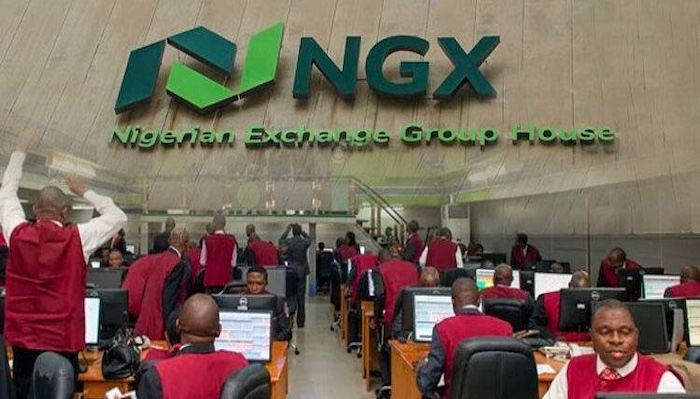
Riding on improved macroeconomic conditions, stronger investor confidence and impressive corporate earnings, the Nigerian stock market added N65.74 trillion in…
Read More »Economy
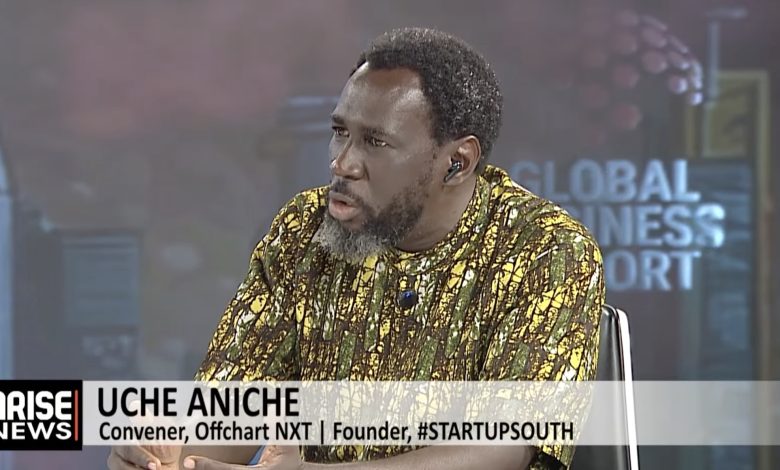
Convener of Offchart NXT and founder of #STARTUPSOUTH, Uche Aniche, has said Africa’s next generation of successful startups could emerge…
Read More »
Nigeria will seek to attract climate investment and unlock up to 840,000 net new jobs by 2060 as it heads…
Read More »
Production from the well is expected to begin early next month, with the additional gas projected to boost supplies for households, industries and vehicles. The well is jointly owned by Tanzania’s state-run Petroleum Development Corporation and French energy company Maurel & Prom. Natural gas currently accounts for nearly 80 per cent of Tanzania’s electricity generation, making it a major component of the country’s energy mix. Authorities say the new discovery is expected to support more reliable and affordable energy supplies as demand continues to grow. Boluwatife Enome
Read More »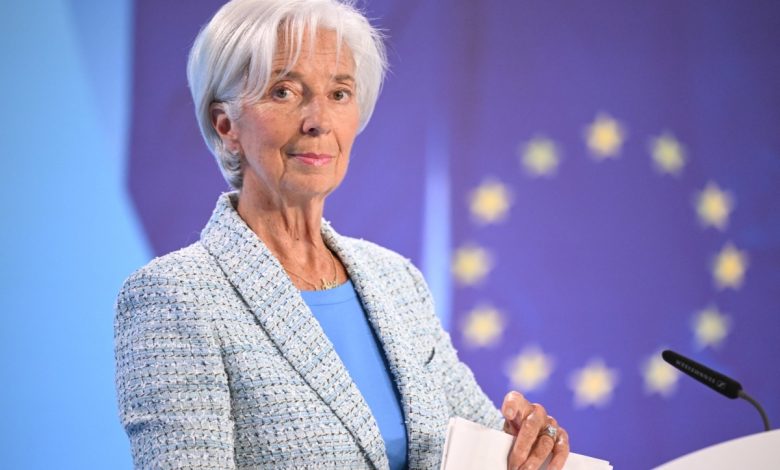
The Frankfurt-based institution announced her decision in a statement on Thursday, saying Lagarde had informed the ECB’s Governing Council and…
Read More »
The oil major posted a third-quarter net profit of $10.81 billion, exceeding analysts’ average estimate of $10.33 billion and nearly doubling the $5.43 billion recorded in the same period a year earlier. Shell also raised its quarterly share buyback programme to $5 billion from $3 billion. The new programme is its second-largest on record, behind the $6 billion buyback launched in the second quarter of 2022. The company’s refining margin surged to a record $42 per barrel, compared with $11.60 a year earlier and $24 in the previous quarter, as the US-Israeli war with Iran disrupted global energy supplies. Shell shares rose 2.9 per cent in early trading, outperforming a 0.7 per cent gain in the broader European energy sector. The company’s integrated gas business generated $3.04 billion in earnings, above analysts’ expectations of $2.93 billion, while its upstream business recorded $3.19 billion, exceeding forecasts of $3.10 billion. Cash flow from operations, excluding working capital, increased to $21.7 billion from $12.24 billion a year earlier, surpassing analysts’ expectations of $18.18 billion. Shell’s oil and gas output fell 17 per cent in the first nine months of 2026 compared with the same period last year, mainly because the conflict in the Middle East reduced production volumes from Qatar. However, liquefied natural gas (LNG) liquefaction volumes rose 12 per cent, driven by the ramp-up of LNG Canada, partly offsetting disruptions in Qatar. Production at Shell’s Pearl gas-to-liquids plant in Qatar was halted in March after an attack on Ras Laffan Industrial City damaged one of its two processing trains. Shell has partially restarted the plant but said repairs could take about a year. The company also recorded $5.4 billion in non-cash increases in the variable component of shipping leases, reflecting the prevailing economic environment. Trading activity in its chemicals and products segment, which includes its oil trading operations, declined from a particularly strong second quarter, partly because of non-cash timing effects. Shell recorded $2.5 billion in pre-tax impairments, mainly linked to a European biogas asset after management lowered its expectations for market development. The impairments were partly offset by $1.8 billion in pre-tax impairment reversals on a North American asset in its integrated gas segment, following changes to commercial terms and the final investment decision on LNG Canada Phase 2. According to company data, Shell has delivered a total shareholder return of 120 per cent since December 30, 2022, including reinvested dividends. The performance compares with 78 per cent for BP, 84 per cent for TotalEnergies, 89 per cent for ExxonMobil and 51 per cent for Chevron over the same period. Investors are monitoring how major oil companies deploy additional profits generated by the conflict and whether they will maintain spending discipline. The sector has pledged to preserve capital discipline during a period of exceptionally strong profitability for global oil producers.
Read More »
Digital financial services reached 64.4 per cent of Nigerian adults in 2026, while the proportion of financially excluded Nigerians fell…
Read More »
Nigeria is seeking to establish a joint industrial and investment hub with Japan to attract foreign capital, accelerate technology transfer…
Read More »
Central Bank of Nigeria (CBN) and National Information Technology Development Agency (NITDA) have disclosed that only 57 per cent of…
Read More »
Nigeria’s portfolio investment inflows rose by 17.6 per cent quarter-on-quarter to 7.09 billion dollars in the second quarter of 2026,…
Read More »