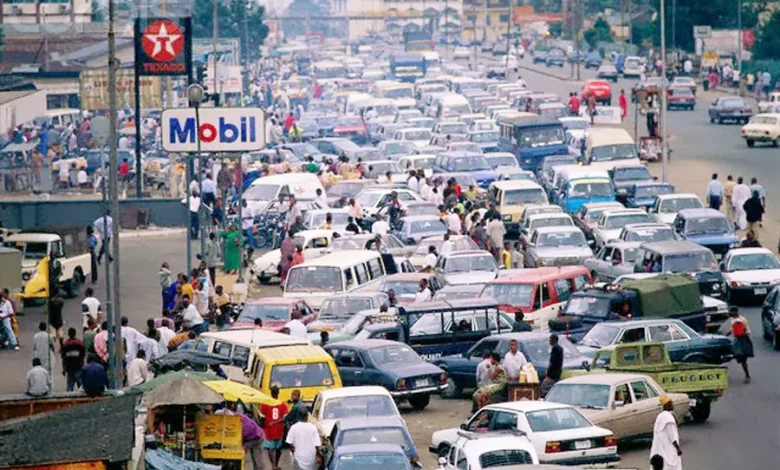
Many civil servants in the Federal Capital Territory, FCT, say they can no longer afford to drive their personal vehicles to work daily.
They said this was due to the rising fuel prices and subsequent increase in cost of living which had continued to strain their finances, making life more difficult and unbearable.
Some of the workers told the News Agency of Nigeria on Sunday in Abuja that they had resorted to using staff buses, while others now depended on carpooling arrangements to reduce transportation costs.
Mrs Anita Ocheme, a civil servant in a federal ministry, said she had parked her car due to the high cost of fuel.
“There was a time I drove to work every day, but now it is no longer sustainable. Driving to work is now a luxury.
“I have never liked public transportation, but because I must go to work, I either join the staff bus or contribute money for fuel when I ride with colleagues,” she said.
Similarly, Mr David Onah, a senior civil servant, said his car had been parked in his compound for over five months because he could not afford to fuel it.
Onah said: ” since the fuel crises started, which led to a subsequent increase in the price of fuel, it has not been easy fueling my car to work.
“Initially, I used to drive to church and family outings during the weekends, but for the past five months, the car has just been parked in my compound.
” I am happy that the Federal Government has remembered us by increasing our allowances.
” We are hoping that the government in its good conscience will implement the increment in allowances it promised civil servants, so we can get some relief.”
Meanwhile, Mr Chikamso Obidike, who still drove to work daily, said he had devised a way to manage fuel costs by picking passengers along his route.
“I carry colleagues, who contribute to fuel my car and other times I pick other commuters along my axis who also pay certain fee.
“This has helped a lot to cusion the amount of money i would have spent from my limited income if I were to drive alone to and from work everyday,” he said.
Obidike acknowledged the crises in the Middle East, which had worsened the fuel situation in the country.
He appealed to the government to look into the situation and provide some form of relief for citizens, especially civil servants.
NAN findings show that transportation has become one of the most significant daily expenses for many workers, forcing them to adopt survival strategies.
The civil servants appealed to the government to introduce measures to ease their burden, including transport support, cost-of-living adjustments and flexible work arrangements.
Akintola Abdullahi, another civil servant, said informal arrangements had emerged within some offices to help workers cope.
“From what I gathered, this mechanism is being deployed in many offices already.
“In my department, we now also operate a kind of roster. Not everyone comes to the office every day, except Mondays when we have meetings and full attendance is required.