FG: Seven Boko Haram, ISWAP Commanders Nabbed at Katsina Airport After Returning from Hajj

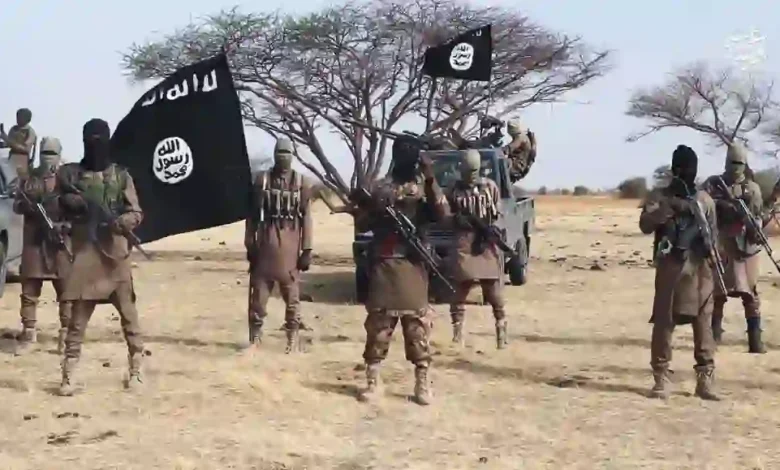
The Federal Government has revealed that seven suspected Boko Haram and Islamic State West Africa Province (ISWAP) commanders were arrested at Katsina Airport upon returning from the Hajj pilgrimage in Saudi Arabia.
Minister of Interior Olubunmi Tunji-Ojo made the disclosure on Friday, shortly after President Bola Tinubu signed the National Identity Management Commission Act (NIMC), 2026, into law at the Presidential Villa, Abuja.
The minister said the suspects were flagged immediately upon arrival through Nigeria’s integrated identity verification platform and subsequently handed over to the Department of State Services (DSS) for further investigation.
Tunji-Ojo credited the arrests to the integration of the NIMC database with the Nigeria Immigration Service and international security platforms, including Interpol.
“We inherited a fragmented identity management system where government databases operated independently. Today, our immigration database is fully integrated with NIMC and linked to Interpol’s 24-hour security network. It was through this integrated platform that seven known commanders of Boko Haram and ISWAP returning from Mecca were identified at Katsina Airport last Thursday, arrested and handed over to the DSS,” he said.
Tinubu signed the NIMC Act in the presence of Senate President Godswill Akpabio, Deputy Speaker Benjamin Kalu, Attorney-General Lateef Fagbemi, and NIMC Director-General Abisoye Coker-Odusote.
The minister described the legislation as a landmark reform to strengthen Nigeria’s identity management framework and deepen inter-agency security collaboration. He said the reforms would boost the country’s capacity to combat terrorism, identity fraud, financial crimes, and other transnational offences.
Tunji-Ojo added that the unified identity system had also tightened the passport issuance process, ensuring no Nigerian passport could be issued without proper NIMC verification, while enabling security agencies to track high-risk individuals across government platforms.
READ ALSO: