According to PMA figures, around 90 per cent of Palestinian exports are destined for Israel, while all Palestinian imports either originate from or transit through Israel. [Getty]
Palestinian officials and international financial institutions warned Thursday that the occupied West Bank risks a severe economic crisis if Israeli banks end correspondent banking relations, which could disrupt trade, payments, and essential goods supply.
The warnings were issued during a high-level meeting organised by the Palestinian Monetary Authority (PMA) in Ramallah under the title “The Breaking Point”, attended by representatives of the International Monetary Fund (IMF), the World Bank, the United Nations, ambassadors and diplomats.
The meeting addressed concerns over Israel’s Discount Bank and Bank Hapoalim planning to end banking services with Palestinian banks soon, risking the financial system supporting most Palestinian-Israeli transactions.
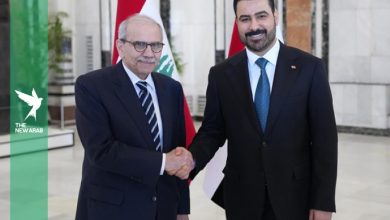
PMA Governor Yahya Shinar described the move as a direct threat to the Palestinian economy, warning it could undermine food security, disrupt essential services and push the financial system “to the point of no return.”
“The continuation of these measures undermines the Palestinian economy, threatens food security and could lead to the collapse of essential services,” Shinar said, urging international financial institutions and governments to intervene urgently to preserve correspondent banking relations.
Trade, payments and food security at risk
Shinar warned that the consequences of severing banking ties would extend well beyond the financial sector, rapidly evolving into a broader economic and humanitarian crisis.
He said disruptions to payment systems would interrupt supply chains, create shortages of fuel, electricity, medicines and basic food commodities while driving up prices, slow economic activity and worsen unemployment and poverty.
The warning comes as the Palestinian Authority is already facing one of its worst fiscal crises after Israel continued withholding large portions of Palestinian clearance revenues, the tax income Israel collects on behalf of the Palestinian Authority.
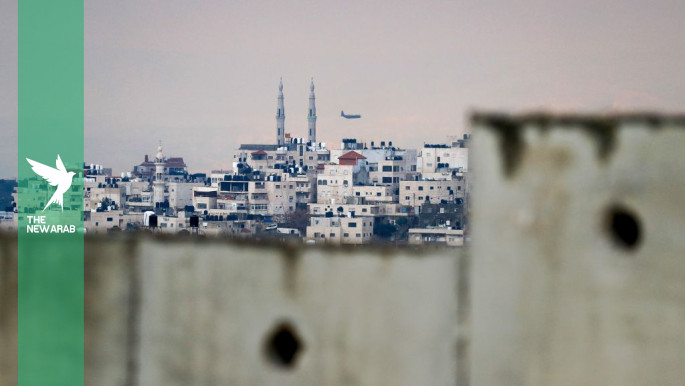
According to PMA figures, around 90 per cent of Palestinian exports are destined for Israel, while all Palestinian imports either originate from or transit through Israel. About 60 per cent of those imports come directly from Israel, including fuel, electricity, water, medicines and food.
The PMA said correspondent banking channels handled transactions worth nearly US$15 billion during 2025, highlighting the sector’s dependence on those arrangements.
Shinar also said Palestinian banks are currently holding approximately US$ 5.9 billion in accumulated cash because restrictions prevent large volumes of shekel banknotes from being transferred to Israel, reducing banks’ ability to finance businesses, particularly small and medium-sized enterprises.
He warned that the collapse of formal payment channels could push commercial activity into informal cash markets, increasing financial crime risks and further isolating the Palestinian economy from the international financial system.
“The Palestinian banking sector complies with the highest international standards in combating money laundering and the financing of terrorism,” he said.
Representatives of the IMF, World Bank and other international institutions echoed concerns during the meeting, warning that disruption to correspondent banking relations would have serious consequences for trade, supply chains, food security and the delivery of essential services.
They stressed that time is running out to prevent the crisis and called for urgent, coordinated international action.
Palestinian economist Samir Abu Mudallala told The New Arab that the situation is “the most serious threat facing the Palestinian economy in years.”
“This is not simply a banking crisis […] The suspension of correspondent banking services would disrupt imports and exports, prevent companies from meeting their financial obligations and directly affect the entry of essential goods, including fuel, medicine and food,” he said.
He added that the crisis is being intensified by Israel’s continued withholding of Palestinian tax revenues, weak economic growth and persistently high unemployment.
“If the situation continues, more economic activity will shift to the informal cash market, threatening financial stability and increasing transaction costs,” he explained, calling for immediate international intervention to prevent a wider economic and social collapse.
Financial uncertainty
The latest warnings follow reports that Israel’s Discount Bank and Bank Hapoalim informed Palestinian banks they plan to terminate correspondent banking services beginning on 1 September and 1 October, respectively.
Such services enable Palestinian banks to settle transactions in Israeli shekels, the primary currency used throughout the occupied West Bank.
According to Israeli media, the banks cited growing legal and financial risks associated with providing services to Palestinian institutions.
Israel’s Finance Ministry said it is discussing alternative arrangements that would allow correspondent banking services to continue under what it described as a more secure legal framework.
The crisis has been linked to policies pursued by far-right fundamentalist Israeli Finance Minister Bezalel Smotrich, who recently shortened the duration of legal indemnities protecting Israeli banks from potential litigation related to transactions with Palestinian banks, according to Israeli media.
Although Smotrich later agreed to extend the legal exemption until the end of 2026, delays in formalising the arrangement prompted the two banks to notify Palestinian banks of their intention to terminate services.
According to The Times of Israel, the banking dispute forms part of broader measures adopted by Smotrich that Palestinian officials say are aimed at weakening the Palestinian Authority. Those measures include the continued withholding of clearance revenues and policies supporting settlement expansion in the occupied West Bank.
The United States has meanwhile emphasised the importance of maintaining correspondent banking ties to preserve economic stability.
The US State Department welcomed the extension of legal protections for Israeli banks while urging the Palestinian Monetary Authority and Palestinian banks to continue implementing reforms that comply with international standards on anti-money laundering and counter-terrorism financing.
Palestinian officials say the potential loss of correspondent banking services comes on top of more than US$5 billion in withheld clearance revenues and the loss of employment for more than 100,000 Palestinian workers since October 2023, creating what they describe as the gravest challenge facing the occupied West Bank’s economy since the establishment of the Palestinian Authority.