The Society for Family Health has said Nigeria must move away from fragmented and largely project-based financing of critical health services such as HIV, tuberculosis and family planning and integrate them into a sustainable domestic health financing system.
The organisation said the move was necessary to protect gains already made in the health sector and reduce the vulnerability of essential services to unpredictable funding.
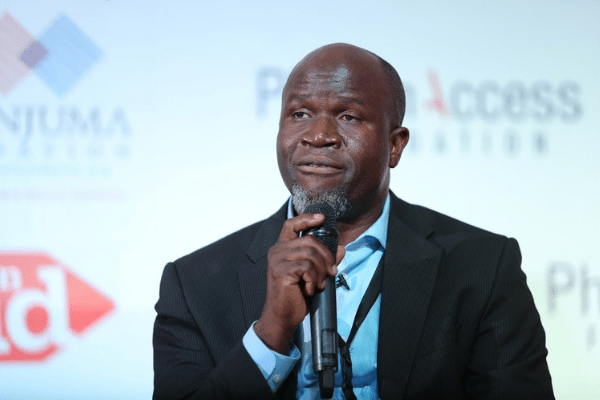
Dayyabu Mahmud Yusuf, group director, Impact and Partnership, Society for Family Health, who represented Omokhudu Idogho, the organisation’s managing director, made the call at the BusinessDay Health Conference on Thursday n Abuja.
Yusuf said the proposed expansion of the National Health Insurance Authority’s benefit package to include HIV, TB and family planning presented an opportunity for Nigeria to fundamentally rethink how essential healthcare was financed.
Read also: Ogun partners SFH to deepen reproductive health, elderly, adolescent care
“For too long, some essential health interventions have been financed through vertical programmes, donor-supported initiatives or fragmented arrangements,” he said.
“While these mechanisms have contributed enormously to Nigeria’s health gains, their long-term sustainability requires that we increasingly explore how priority services can be integrated into domestic health financing and strategic purchasing arrangements.”
According to him, incorporating the services into the health insurance benefit package would help Nigeria gradually transition from a system heavily dependent on individual projects to one anchored on predictable domestic financing.
“The inclusion of HIV, TB and Family Planning within an appropriately designed benefit package provides an opportunity to move from a model that is heavily dependent on project-based financing towards a more sustainable, predictable and domestically anchored financing architecture,” Yusuf said.
He argued that the success of the Basic Health Care Provision Fund should not be judged merely by the amount of money released to the health sector, but by whether the funding translates into better and more affordable healthcare for Nigerians.
“The BHCPF represents more than a financing mechanism. At its core, it is an opportunity to transform the way essential health services are financed, purchased and delivered at the primary healthcare level,” he said.
Yusuf said the fund could help address some of the longstanding weaknesses in Nigeria’s health system, including inadequate financing of primary healthcare, high out-of-pocket spending, fragmented interventions and unequal access to essential services.
He, however, stressed that financial allocations alone would not constitute success.
Read also: SFH launches $10,000 CoElevate Fund to back Nigeria’s next wave of health innovators
“The success of the Fund must ultimately be measured not simply by how much money is disbursed, but by what changes for the Nigerian family, the woman, the child, the adolescent, the person living with HIV, the individual affected by tuberculosis and the millions of Nigerians who require access to reproductive health services,” he said.
The SFH director said HIV remained a significant public health concern despite progress recorded in prevention, testing, treatment and viral suppression, adding that maintaining those gains would require reliable financing.
“HIV remains an important public health priority. Nigeria has made significant progress in prevention, testing, treatment and viral suppression, but sustaining these gains requires predictable financing and continued access to quality services,” he said.
He also warned that gaps in tuberculosis funding could have consequences beyond individual patients.
“Tuberculosis similarly requires sustained investment. TB disproportionately affects vulnerable populations, and delays in diagnosis and treatment have consequences not only for individuals and families but for communities and the health system as a whole,” Yusuf said.
On family planning, he said access to voluntary and affordable services had implications beyond reproductive health, extending to household welfare and Nigeria’s broader economic development.
Read also: Why medical laboratories are central to Nigeria’s health security
“Access to voluntary, quality and affordable family planning services enables women and couples to make informed decisions about the timing and spacing of pregnancies,” he said.
“It contributes to improved maternal and child health and has wider implications for household welfare, human capital and economic development.”
Yusuf therefore urged policymakers to stop treating HIV, TB and family planning as isolated programme areas, arguing that they were fundamental to a functioning primary healthcare system.
“These services should therefore not be viewed as isolated programme areas. They are essential components of a resilient primary healthcare system and a comprehensive package of health services,” he said.
He called for greater coordination among government, health insurers, states, healthcare providers, communities and development partners to ensure that increased health financing produces measurable results.
“No single institution can solve Nigeria’s health financing challenges alone,” Yusuf said.
“Government must provide leadership and stewardship. NHIA must provide effective purchasing and regulatory leadership. States must drive implementation. Providers must deliver quality services. Communities must participate and demand accountability.”
He added that development partners also had a role to play, but their support should increasingly help Nigeria build systems capable of surviving beyond individual donor-funded projects.
“Development partners must support the transition towards sustainability. And organisations such as SFH must bring technical capacity, evidence, innovation and implementation support,” he said.
Yusuf said the BHCPF and the expansion of the NHIA benefit package should be treated as interconnected parts of a broader health financing reform rather than separate initiatives.
“We should strive for a system where domestic resources increasingly finance essential health services; where donor investments catalyse rather than permanently substitute domestic financing; where strategic purchasing rewards quality and results, and where every naira invested in health generates measurable value for Nigerians,” he said.
Read also: SFH announces appointment of new MD
He said SFH would continue working with the NHIA, federal and state governments, development partners and healthcare providers to strengthen the evidence base and support implementation of the reforms.
According to him, Nigeria now has an opportunity to replace an unpredictable and fragmented financing model with one that is “integrated, sustainable, accountable and focused on results.”
“The expansion of the NHIA benefit package to encompass critical services such as HIV, TB and Family Planning can be another important milestone, not simply because it adds services to a package, but because it moves us closer to a health financing system where essential healthcare is treated as a sustainable investment in the wellbeing and productivity of our people,” Yusuf said.
He added, “Let us work together to ensure that the reforms we design in this room translate into real services in our health facilities, real financial protection for households, and ultimately healthier lives and well-being for all Nigerians.”