African policymakers and financial experts have called for a fairer assessment of the continent’s economies, stronger debt management capacity and greater transparency in credit rating methodologies, warning that persistent risk premiums continue to raise borrowing costs and constrain development financing.
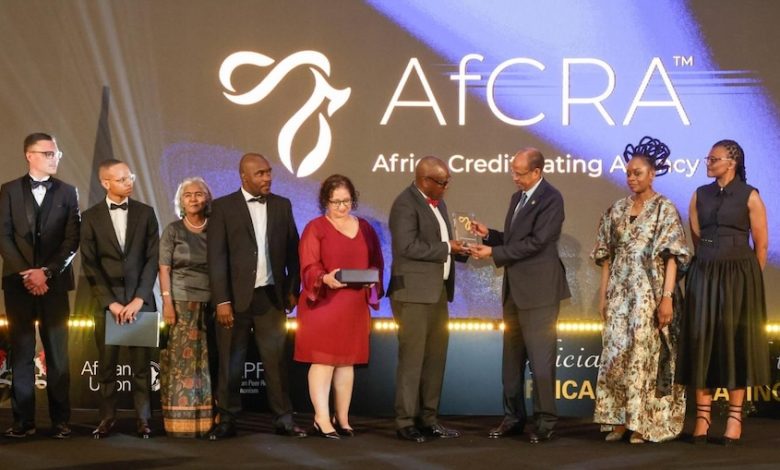
The call comes as Africa seeks to strengthen its voice in global credit assessments following the launch of the Africa Credit Rating Agency (AfCRA) in Mauritius this month, against the backdrop of mounting debt pressures, a projected global shortfall of 800 million jobs and growing demands for infrastructure and social investment.
Also on Friday, the International Monetary Fund (IMF) warned that rising debt-service burdens were squeezing development spending, while the World Bank Group highlighted the challenge of creating jobs for a rapidly growing global workforce, with a projected shortfall of 800 million jobs over the next 10 to 15 years.
Speaking at the 2026 IMF/World Bank Annual Meetings in Bangkok, IMF Managing Director Kristalina Georgieva warned that high and rising interest burdens, particularly in low-income countries, were leaving governments with less room to finance development.
On his part, World Bank Group President Ajay Banga, stressed the need to mobilise private capital, expand infrastructure and create jobs, disclosing that the institution mobilised $112 billion in private capital last year.
The new continental credit rating agency is expected to complement existing international credit rating agencies by incorporating more African data, expertise and perspectives into assessments of the continent’s economies. However, stakeholders say its success will depend on its independence, credible methodologies, reliable economic data and acceptance by investors.
Speaking at a panel discussion on ‘The Debt Sustainability Framework, Credit Ratings and Africa’s Risk Premium,’ held on the sidelines of the IMF/World Bank Annual Meetings in Bangkok, Thailand, the Director-General of the West African Institute for Financial and Economic Management (WAIFEM), Dr. Baba Musa, said African countries had spent decades calling for their economic realities to be assessed accurately and proportionately.
He said African countries pay more to borrow than comparable economies in other regions, arguing that prevailing perceptions and external interpretations of the continent’s economic realities often placed it at a disadvantage.
“For a rating agency, the methodology should be comparable with international standards. However, what African countries have been asking for over the past 20 years is that they should be assessed accurately, their risks communicated proportionately, and their economies evaluated fairly,” Musa said.
He stressed that the demand for fairer assessments was not a call for preferential treatment or lower standards, but for methodologies that adequately reflected the diversity, resources and economic circumstances of African countries.
“Africa’s voice should be heard and the continent should be assessed fairly, just like any other region,” he said, adding that AfCRA’s success would depend on transparency, credible methodologies and its ability to capture the actual realities of African economies.
The cost of Africa’s risk premium remains substantial. The Deputy Executive Secretary and Chief Economist of the United Nations Economic Commission for Africa (ECA), Dr. Hanan Morsy, estimated that persistent risk premiums cost the continent approximately $75 billion annually in excess interest payments.
The additional borrowing costs come at a time when governments face mounting pressure to finance development, improve living standards and create jobs for rapidly growing populations.
Morsy said African countries must also take greater responsibility for presenting evidence-based accounts of their economies rather than relying on others to make their case.
“If you do not advocate for yourself, no one will. This applies to individuals as well as countries. You must make your case and ensure that it is not based on words alone but backed by evidence,” she said.
She emphasised the need for reliable data to limit the room for discretion in credit assessments, warning that countries must be prepared to provide the evidence needed to support their economic outlooks.
Morsy added that international institutions had helped countries without previous credit ratings obtain them and subsequently improve their ratings, while also supporting countries seeking investment-grade status.
The launch of AfCRA is expected to broaden the information available to investors and provide additional perspectives on African economies, reform programmes and growth prospects. However, stakeholders have cautioned that the agency’s establishment alone will not automatically reduce borrowing costs without stronger economic fundamentals and institutional credibility.