Dangote Refinery Empowers 100 Lekki Fishermen With Equipment, Business Training

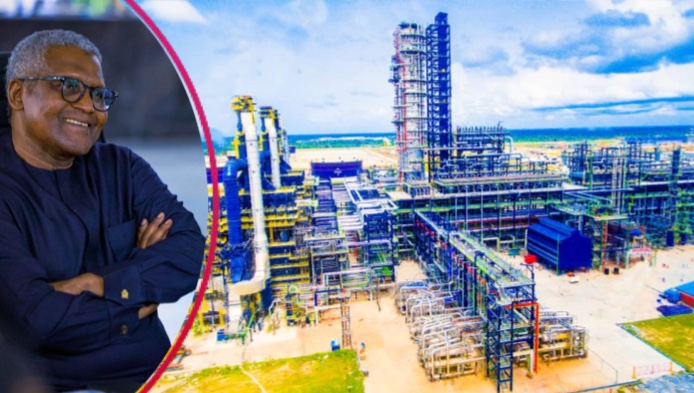
The initiative, known as the Fishermen Livelihood Support Programme, will provide beneficiaries with technical and enterprise training, fishing assets and post-implementation monitoring, aimed at improving productivity, reducing operational costs, and increasing household incomes.
The company announced the programme in a statement issued on Monday.
Unlike conventional empowerment programmes centred on the distribution of equipment, the Dangote initiative adopts a phased approach, beginning with technical training, before the formal handover of fishing assets.
Speaking at the launch, Managing Director/Chief Executive Officer, Dangote Petroleum Refinery & Petrochemicals, David Bird, said the company was determined to ensure that the economic benefits of its operations were felt by the communities that had depended on fishing for generations.
Bird said industrial development would have little meaning if the people living around major investments were left behind, stressing that the refinery’s commitment to its host communities goes beyond occasional donations.
“The true measure of industrial progress is not only what we build, produce or contribute to the economy, but also the opportunities we create and the lives we improve in the communities where we operate,” he said.
He acknowledged the importance of fishing to the coastal communities, stating that the occupation is not merely a means of earning a living but an integral part of their history and identity.
According to him, the programme is conceived to help fishermen overcome some of the difficulties associated with their trade, particularly the high cost of operations, unreliable equipment, and the risks involved in working on the waterways.
Bird explained that the company’s priority was not simply to distribute canoes and engines but to ensure that the beneficiaries could used them to improve their businesses and provide more comfortably for their families.
He stated, “The value of this programme will not be measured by the number of canoes or engines we provide. It will be measured by what those assets enable our fishermen to achieve.”
He added that the refinery wanted to see beneficiaries spend less on avoidable repairs, operate more safely and earn better returns from their fishing activities.
The refinery chief urged the fishermen to take the training seriously and make responsible use of the equipment they would receive, describing their success as the real measure of the programme’s impact.
He thanked traditional rulers and community leaders for their continued cooperation with the company, assuring them that Dangote Refinery would sustain its engagement with host communities and support initiatives that address their needs.
Bird stated, “Our commitment is to continue listening, engaging and investing in initiatives that create lasting value for our host communities.”
Head, Health, Safety, Security, Environment, Fire, and Sustainability (HSSEF), Dangote Petroleum Refinery & Petrochemicals, Mbulelo Yokwe, said the programme was designed to help fishermen earn a better living without compromising their safety or the marine environment.
Yokwe explained that the training would cover safe navigation and fishing practices, proper handling of engines, routine maintenance, environmental protection, and basic business management.
He said the decision to train beneficiaries before distributing equipment was informed by the need to ensure that the assets remained useful long after the programme’s launch.
He stated, “Fishing is an occupation that involves considerable risks, and we have a responsibility to ensure that our interventions do not inadvertently expose beneficiaries to avoidable harm.”