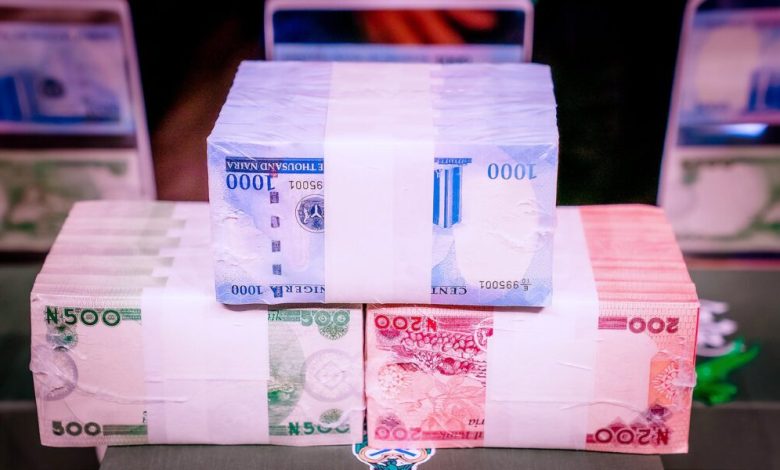
The Nigerian naira opened the new trading week under pressure against the United States dollar, with the latest available parallel-market quotations placing the American currency at N1,445 on Monday, November 16, 2026.
Currency dealers were reportedly buying dollars at approximately N1,425 and selling at N1,445 during Sunday’s trading, although Monday’s quotations varied across market sources.
The development comes as Nigerians continue to face elevated foreign exchange costs for overseas payments, imported goods and international travel.
Dollar to Naira Black Market Rate Today
The latest available indicative parallel-market quotations are:
| Currency | Buying Rate | Selling Rate |
|---|---|---|
| US Dollar | N1,425 | N1,445 |
At the quoted selling rate, Nigerians purchasing $100 would need N144,500, while $500 would cost N722,500.
Purchasing $1,000 would require N1.445 million, excluding any additional transaction charges.
However, exchange rates differ among Bureau De Change operators, with some Monday reports quoting the dollar at N1,390.
The N1,425/N1,445 figures reflect the latest available weekend quotations and should not be treated as confirmed Monday transaction rates.
Naira Recovers in Official Market
Meanwhile, the naira recorded an improvement in the official Nigerian Foreign Exchange Market towards the end of last week.
The local currency closed at approximately N1,353.50 per dollar on Friday, November 13, compared with N1,358.50 on Thursday.
The recovery followed Wednesday’s sharp depreciation to N1,364 per dollar, which had raised concerns about renewed pressure on the Nigerian currency.
The Central Bank of Nigeria’s reported weighted-average reference rate for Friday stood at approximately N1,353.97 per dollar.
Using that official reference rate and the latest parallel-market selling quotation of N1,445, the difference between the two markets stands at N91.03 per dollar.
The figures suggest that Nigerians obtaining foreign currency outside the official market may face considerably higher costs, depending on the dealer and location.
What This Means for Nigerians
The continued difference between official and parallel-market exchange rates has implications for households and businesses.
Nigerians paying overseas tuition fees, medical bills and travel expenses may need more naira to meet their dollar obligations.
Importers and businesses purchasing goods from abroad could also face higher costs where foreign exchange is obtained at elevated rates.
The naira’s performance during the week will depend on dollar availability, demand from businesses and developments in the official foreign exchange market.
Monday’s final official closing rate was not available at the time of reporting.
Official exchange rate information is available through the Central Bank of Nigeria.