The ancient town of Ijebu-Ode in Ogun State came alive with colour, culture and celebration as millions of indigenes, visitors and tourists from across Nigeria and the diaspora gathered for the 2026 edition of the renowned Ojude Oba Festival.
This year’s festival, themed “Ojude Oba 2026: Celebrating the Legacy of Oba Sikiru Adetona,” was particularly significant as it marked the first edition of the event following the death of the revered Awujale of Ijebuland, Oba Sikiru Kayode Adetona.
Despite the absence of a sitting Awujale, the festival retained its grandeur and prestige, demonstrating that Ojude Oba has evolved beyond an event centred on a monarch to become a lasting symbol of Ijebu identity, unity and cultural pride.
Chairman of the Ojude Oba Planning Committee, Chief Olu Okuboyejo, explained that the late monarch had expressly directed that the festival should continue uninterrupted after his passing.
According to him, Oba Adetona believed the festival was a sacred cultural institution that transcends individuals and must continue to thrive for future generations. He noted that Ojude Oba remains deeply rooted in the history, traditions and collective identity of the Ijebu people.
Originally established more than a century ago as a post-Eid gathering where Muslim faithful paid homage to the Awujale in appreciation of religious freedom and peaceful coexistence, the festival has grown into a globally recognised cultural celebration embraced by people of different faiths and backgrounds.
Over the years, Ojude Oba has become a powerful symbol of religious tolerance, communal harmony and cultural excellence, attracting tourists, investors and cultural enthusiasts from around the world.
This year’s edition paid glowing tribute to the late Oba Adetona, whose reign transformed the festival from a local event into an internationally celebrated cultural brand. Speakers at the event praised the late monarch for modernising traditional institutions, promoting cultural heritage and elevating the status of Ijebuland on the global stage.
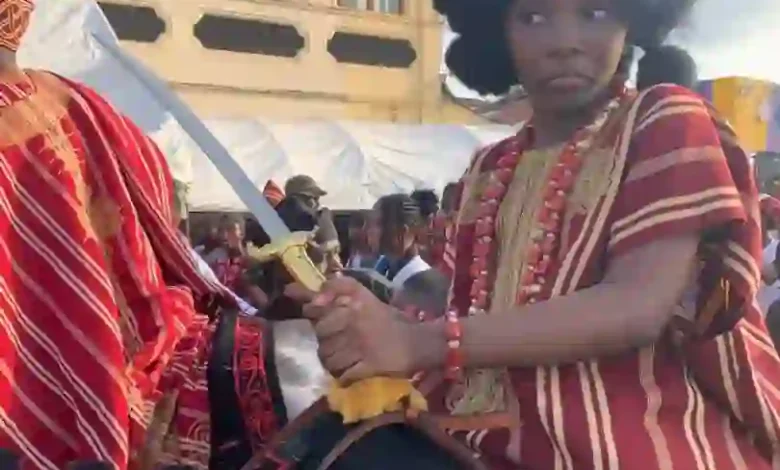
One of the major highlights of the celebration was the spectacular parade of 93 Regberegbe age-grade groups. Members of the groups appeared in coordinated and elegantly designed traditional attire, showcasing the rich fashion heritage and sophistication of the Ijebu people.
The festival also featured the much-anticipated horse-riding procession by descendants of ancient Ijebu warlords. More than 25 Balogun and Eleshin families participated in the colourful display, riding magnificently decorated horses while paying homage to the Awujale Interregnum Council.
The procession, accompanied by traditional drumming, singing and chants, captivated thousands of spectators who lined the streets and festival grounds to witness the display of bravery, aristocratic heritage and military history associated with the Ijebu people.
Observers described the successful hosting of the festival during a period of royal transition as proof of the resilience of Ijebu cultural institutions and the determination of the people to preserve their heritage.
Many noted that suspending the event because of the vacant royal stool would have negatively affected cultural preservation efforts, tourism development and economic activities linked to the annual celebration.
Beyond its cultural significance, Ojude Oba continues to play a major role in boosting the economy of Ogun State. The festival generates significant business opportunities for the hospitality, transportation, fashion, entertainment and tourism sectors, attracting thousands of visitors and investors annually.
Speaking at the event, Ogun State Governor, Dapo Abiodun, described Ojude Oba as a celebration of history, culture, unity and identity. He said the festival continues to connect the Ijebu people with their heritage while inspiring younger generations to appreciate and preserve their traditions.
The governor noted that the 2026 edition carried special significance because it was the first celebration since the passing of several prominent sons of Ijebuland, including the late Awujale, whose contributions helped shape the cultural and institutional development of the region.
Abiodun stressed that despite challenges and uncertainties, the people of Ijebuland had demonstrated that their traditions remain strong and enduring. He added that Ojude Oba has grown into one of Africa’s most respected cultural festivals, attracting people from different generations, religions and backgrounds.
He commended community leaders and cultural custodians for preserving the festival over the decades and emphasised that the event represents far more than entertainment, serving as a platform for cultural continuity, collective pride and identity.
The governor also highlighted the festival’s growing economic importance, describing it as a major tourism and empowerment platform that contributes significantly to local development.
He urged young people to embrace their cultural heritage while pursuing innovation and development, stressing that preserving tradition is a responsibility that must be passed on to future generations.
Chief Okuboyejo, in his remarks, described the festival as a celebration of continuity and unity that enables sons and daughters of Ijebuland to reconnect with their roots and celebrate their shared identity.
He noted that while this year’s festival was emotional due to the passing of Oba Adetona, it also served as a powerful reminder of the enduring legacy the monarch left behind.
As the 2026 edition came to a close, participants expressed confidence that Ojude Oba would continue to expand in global recognition and remain one of Nigeria’s most celebrated cultural exports.
Among the dignitaries present were Ogun State Deputy Governor, Engr. Noimot Salako-Oyedele; Minister of Arts, Culture, Tourism and Creative Economy, Hannatu Musa Musawa; Minister of State for Health, Dr. Isiaq Kunle Salako; former Ogun State Governor, Chief Olusegun Osoba; and Senator Gbenga Daniel, among others.
The success of the 2026 edition reaffirmed Ojude Oba’s position as a vibrant symbol of heritage, religious tolerance, unity and the enduring spirit of the Ijebu people.
READ ALSO: