Onanuga Counters Obi’s Power Promise, Says Nigeria’s Electricity Problems Go Beyond Generation Capacity

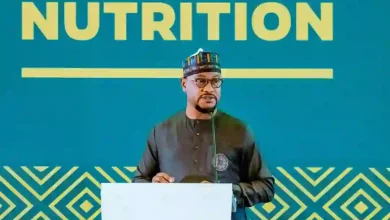
The Special Adviser to President Bola Tinubu on Information and Strategy, Bayo Onanuga, has argued that Nigeria’s electricity crisis is driven more by structural challenges than a lack of generation capacity.
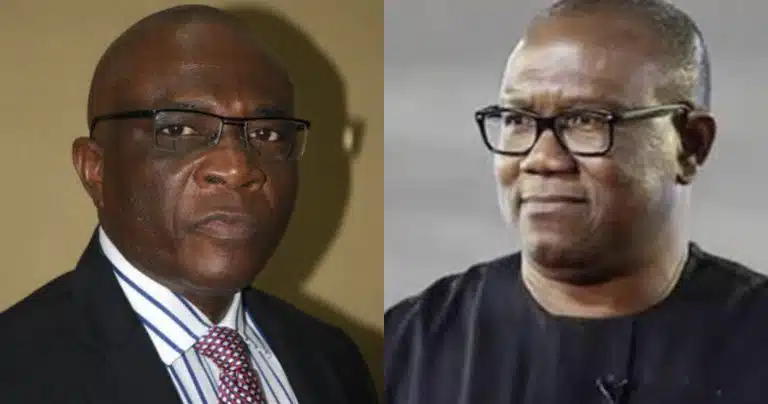
Speaking during an interview on Arise Television, Onanuga dismissed the recent promise by the 2027 presidential candidate of the Nigeria Democratic Congress (NDC), Peter Obi, to increase electricity generation and distribution by at least 10,000 megawatts within four years if elected.
According to Onanuga, Nigeria already possesses an installed electricity generation capacity of about 13,500 megawatts, a figure higher than Obi’s proposed target. He maintained that the country’s inability to fully utilise this capacity stems from longstanding issues within the power sector.
The presidential aide identified key obstacles as an outdated national grid, inadequate gas supply and more than ₦4 trillion in legacy debts owed by power sector operators to gas suppliers.
“What many people do not know, and unfortunately Peter Obi did not know when he made that promise, is that Nigeria already has about 13,500 megawatts of installed capacity,” Onanuga said.
He explained that despite the available capacity, operational constraints have continued to limit electricity output across the country.
Onanuga also highlighted efforts by the Tinubu administration to improve the sector, including plans involving the Grid Asset Management Company Limited (GAMCO) to enhance the efficiency of some hydropower facilities.
He further noted that one of President Tinubu’s earliest actions in office was signing the Electricity Act, which empowers states to generate, transmit and distribute electricity independently.
According to him, several states have already begun taking advantage of the legislation, a development he said would encourage competition and attract more investment into the power sector.
Onanuga added that electricity generation has improved under the current administration compared to the level inherited in May 2023, although some installed facilities are still not operating at full capacity.
He expressed confidence that ongoing reforms and efforts to address sector debts and infrastructure deficiencies would help unlock Nigeria’s existing power potential and improve electricity supply nationwide.
READ ALSO: