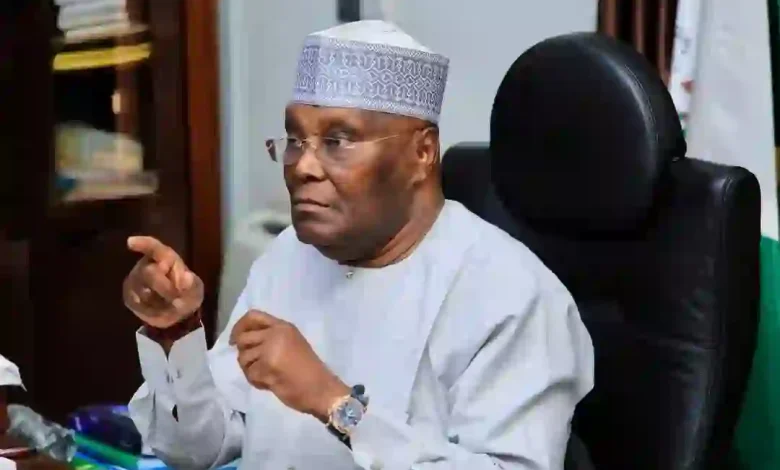
Former Vice President and African Democratic Congress (ADC) presidential candidate, Atiku Abubakar, has reignited the debate over petrol subsidy ahead of the 2027 presidential election.
Atiku clarified that he does not intend to restore the old fuel subsidy system if elected president, but would introduce a new model focused on supporting domestic crude production and refining.
Under his proposed plan, government support would move away from imported petrol and middlemen to locally produced crude and Nigerian refineries. He said the subsidy would be capped, transparently budgeted and independently audited to ensure that Nigerians benefit directly.
Atiku explained that refineries receiving subsidised Nigerian crude would be required to refine it locally and supply agreed quantities of petroleum products to the domestic market. He added that crude allocations, refinery output, inventories and local deliveries would be monitored to prevent abuse and fraudulent claims.
The proposal forms part of his Atiku Economic Recovery Plan 2027, which seeks to reduce energy costs while expanding domestic refining capacity.
The former vice president’s position has, however, attracted criticism from the Presidency.
Special Adviser to President Bola Tinubu on Information and Strategy, Bayo Onanuga, described the proposal as a return to a costly and corruption-prone subsidy system. He questioned how Atiku’s proposed arrangement would be funded and implemented under the current petroleum sector framework.
Onanuga also argued that Nigeria’s petroleum industry has changed significantly since Tinubu removed the subsidy in May 2023, particularly with the expansion of domestic refining capacity. He maintained that bringing back the old system could undermine local refineries and increase pressure on government finances.
Atiku’s proposal has nevertheless received support from some groups. The Yoruba Ronu Leadership Forum welcomed his plan, saying high fuel prices following subsidy removal had contributed to increased transportation and food costs, reduced purchasing power and greater pressure on businesses and households.
The Northern Christian Association, however, urged Nigerians to carefully scrutinise campaign promises and assess whether proposed policies are realistic and sustainable before supporting them.
FCT Minister Nyesom Wike also criticised Atiku’s position, accusing him of inconsistency because of his previous support for subsidy removal. Wike argued that Atiku and Peter Obi do not pose a serious threat to President Tinubu’s 2027 re-election bid, insisting that the opposition remains divided.
The debate has also raised questions over the amount saved from subsidy removal and how the funds have been spent.
The Allied Peoples’ Movement (APM) disputed the Federal Government’s reported N15.8 trillion savings figure, claiming that the actual proceeds exceeded N27 trillion. The party called for a detailed account of the funds, including how much was allocated to states and local governments and how the money was utilised.
Meanwhile, the Nigeria Employers’ Consultative Association (NECA) called on state and local governments to publicly account for the N10.4 trillion reportedly shared with them from subsidy savings.
NECA Director-General Adewale-Smatt Oyerinde said state finance officials should disclose the amounts received and explain how the funds were spent, arguing that governments should maintain the same level of accountability expected from private businesses.
With the 2027 campaign season gathering momentum, the renewed argument over fuel subsidy is expected to remain a major issue as political parties present competing economic plans to Nigerians.
READ ALSO: