Senegal is stepping up efforts to reduce Africa’s dependence on imported medicines with a $7.1 million pharmaceutical project producing a locally manufactured generic treatment for sickle cell disease and targeting six African markets as production expands.
Teranga Pharma, a Senegalese pharmaceutical company, manufactures the treatment, branded Drepaf, at its facility in Senegal. The company launched the medicine in November 2025 and is now expanding production and its regional ambitions as demand for locally produced sickle cell treatment grows.
Read also: From burnout to retention: How African health systems can build a resilient nursing workforce in the age of AI and automation
The development comes against a stark health and industrial imbalance. Nearly 80 percent of the world’s sickle cell disease cases occur in Africa, yet the continent has historically depended heavily on medicines manufactured outside its borders.
That dependence leaves countries exposed to international supply disruptions, foreign exchange pressures, shipping costs and fluctuations in the prices of imported medicines.
Drepaf is a generic form of hydroxyurea, a medicine recommended for the management of sickle cell disease. Hydroxyurea can reduce painful crises, hospital admissions and blood transfusion requirements, while improving long-term outcomes for patients.
Teranga Pharma produces Drepaf in 500mg tablets for adults and 100mg tablets for children, giving the company a product range designed to serve different patient groups.
The company’s immediate regional focus includes Burkina Faso, Guinea and Côte d’Ivoire, while requests have also been received from the Democratic Republic of Congo, Gabon and Cameroon.
Its longer-term objective is to supply demand across sub-Saharan Africa by 2030.
The expansion illustrates a broader shift in Africa’s health policy, in that, pharmaceutical manufacturing is increasingly being viewed not simply as a commercial activity, but as a component of health security.
The COVID-19 pandemic exposed the risks created when critical medical products are concentrated in a small number of manufacturing centres outside Africa. Countries across the continent subsequently intensified calls for greater local production of vaccines, medicines and other health commodities.
But Senegal’s experience also highlights a more difficult question: can local pharmaceutical production move from being a strategic ambition to a commercially sustainable alternative to imports?
Manufacturing medicines locally does not automatically make them cheaper or more accessible. Producers must achieve sufficient scale, maintain stringent quality standards, secure regulatory approvals across multiple markets and build distribution networks capable of reaching hospitals, pharmacies and patients.
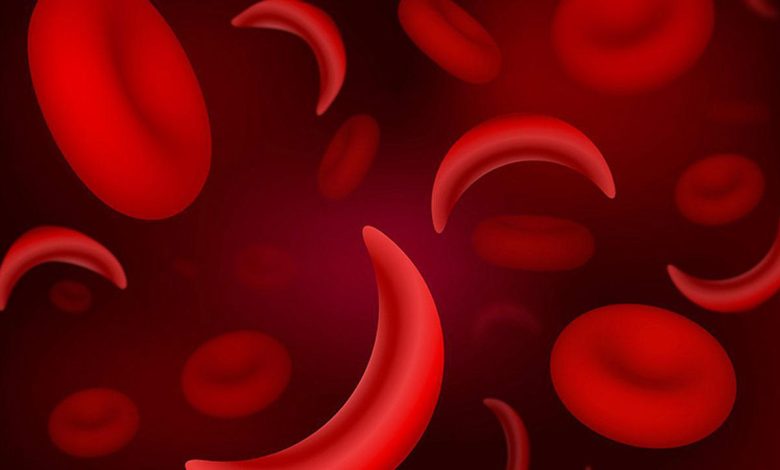
For sickle cell patients, the stakes are particularly high. The inherited blood disorder can cause severe anaemia, debilitating pain, fatigue and repeated hospitalisation. In children, recurrent illness can interfere with schooling and normal development, creating economic and social costs for families and communities.
A reliable supply of hydroxyurea could therefore reduce pressure on health facilities while improving continuity of treatment for patients who require long-term management.
For Senegal, however, the opportunity extends beyond healthcare. A successful pharmaceutical manufacturing operation creates demand for pharmacists, laboratory scientists, engineers, technicians, quality-control specialists and supply-chain professionals. It can also support the development of local expertise in formulation, manufacturing and regulatory compliance.
Teranga Pharma’s project is backed by technical cooperation with an Indian partner, highlighting another feature of Africa’s pharmaceutical industrialisation strategy: building local manufacturing capacity while relying on international technical expertise and technology transfer.
Read also: Nigeria’s 1,047 maternal deaths per 100,000 births expose rural healthcare gaps
The regional ambitions are also significant. If Drepaf succeeds in entering additional African markets, Senegal could emerge as a manufacturing hub for a medicine addressing a disease that disproportionately affects the continent. That would shift part of the sickle cell medicine supply chain closer to the patients who need it.
The challenge will be turning that ambition into scale. Africa’s pharmaceutical market is large, but fragmented across different regulatory systems, procurement structures, currencies and health-financing arrangements. Manufacturers seeking regional expansion must navigate these barriers while keeping medicines affordable.
If Teranga Pharma can expand from Senegal into six additional markets and ultimately serve sub-Saharan Africa by 2030, its sickle cell drug could become more than a new treatment option. It could provide a practical test of whether pharmaceutical sovereignty can translate from policy declarations into medicines manufactured, supplied and consumed on African soil.