Building Resilient Foundations for Better Health Outcomes, Using the Bottom-to-Top Approach

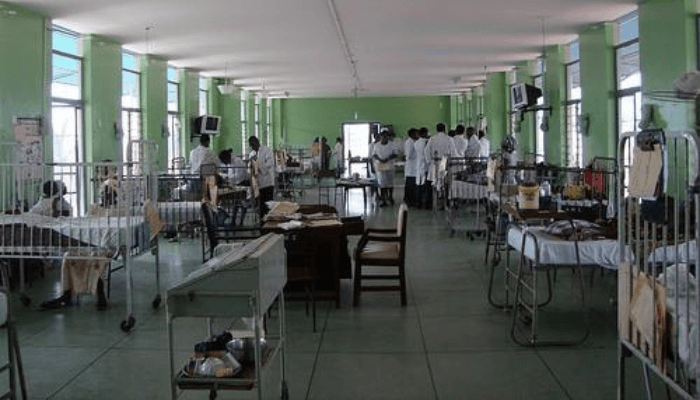
In 2023, Nigeria set an ambitious target of expanding the number of fully functional primary healthcare centres from about 8,800 to 17,600 by 2027, with at least one functional PHC in every political ward. The target was part of the government’s broader effort to renew the health sector and make primary healthcare the first and most reliable point of care for Nigerians.
However, three years into that four-year plan, measuring how close Nigeria is to the finish line is proving difficult. The latest publicly available National Primary Health Care Development Agency (NPHCDA) facility-level data show that 1,295 PHCs had been revitalised by September 2025, just 7.3 per cent of the 17,600 target. The government has reported other measures of progress since then, including direct financing reaching more than 8,000 facilities and about 2,774 facilities upgraded under different programmes. But these figures do not mean that those facilities have met the full standard of functionality required by the 2027 target.
That distinction is critical because a functional PHC is more than a building. Under the NPHCDA’s own Level 2 standard, a facility must have the personnel, infrastructure, power, water, medicines, equipment and other systems required to provide essential services, including the capacity for a woman to deliver safely at any time of day.
Simply put, a revitalised or renovated facility cannot function without the designated human resources. A well-trained health worker (nurse or CHEW) cannot deliver care without the required medication or medical consumables. A health facility cannot function optimally when the enablers of health are missing or defective. Lastly, a government cannot plan effectively without reliable data on where these gaps lie. This is where Nigeria’s health challenge becomes more complicated than a question of how many facilities have been built or renovated. A health system is a chain. Financing, infrastructure, health workers, medicines, information, governance and service delivery depend on one another. When one link is weak, the investment in the others may not translate into better care.
This is the essence of health systems strengthening (HSS): a deliberate, coordinated effort to improve the building blocks that allow health services to reach people consistently, equitably, and sustainably.
Health systems strengthening is not a single intervention; it is a theory of change that should be patient-centric, with a strong focus on last-mile impact rather than output orientation. At the grassroots level, the conversation begins with community members, moves to the community health worker, then to the local government area (LGA) health secretary, then to the Primary Health Care Board and the state Ministry of Health, and ultimately to the National level. This model ensures functionality, sustainability, and efficiency, shifting operationalisation away from heavy donor reliance.
The Building Blocks of a Health System
The World Health Organisation identifies six interlocking components of a functional health system: service delivery, health workforce, health information systems, access to essential medicines, health financing, and leadership/governance. A weak link in any area undermines the others. A government can allocate generous budgets to primary healthcare, but if those funds are not disbursed, are poorly tracked, or are diverted before reaching the last mile, community members will not see any benefit.
This is why health systems strengthening efforts increasingly emphasise an integrated approach. This underpins the BudgIT Foundation’s Primary Healthcare intervention under the Strengthening Community Engagement and Accountability for PHC (SCEAP) and Social and Citizens Accountability for PHC Performance (SCAPP) projects. Rather than fixing one weak link in isolation, these programmes diagnose bottlenecks across the whole chain, from the state of the infrastructure, human resources, supply chains for medications and medical consumables, health financing, governance and accountability and address them in tandem with community champions driving the conversation.
Why Community and Citizen Engagement matters
One of the most significant shifts in health systems thinking over the past decade has been the recognition that strengthening systems from the top down is not enough, paving the way for a blended model that also includes a bottom-up approach. Communities hold critical knowledge about which facilities are functioning and where services consistently fall short. Citizen-generated data collected through feedback platforms such as phctracka, community-generated reports from community scorecards, and ward-level engagement have proven to be a powerful complement to official government data, often surfacing problems long before they appear in formal reporting.
When Ward Development Committees and local coalitions are included and actively participate in the system, service delivery tracking is optimised. Concerns are communicated through legitimate channels, and a feedback loop ensures accountability between formal assessment cycles is sustained by combining facility-level infrastructure support with structured community monitoring to produce more sustainable results aimed at last-mile impact.
Infrastructure and Human Resources: The Persistent Gaps
In most low- and middle-income countries, infrastructural gaps remain the biggest obstacles to quality care delivery. Successful health systems strengthening initiatives align infrastructure investment with deliberate workforce planning, shifting the narrative from the commonly publicised focus on building or renovating facilities to ensuring adequate staffing, continuous medical education, and incentivised programs to support workforce retention.
A primary healthcare centre designed to operate around the clock cannot do so with a single midwife covering every shift. Task-shifting trains community health extension workers to provide routine services, helping bridge some of these gaps. Still, it is not a substitute for adequately staffing facilities with the personnel outlined in national health workforce standards, as clearly outlined in the Minimum Standards for Primary Healthcare in Nigeria.
Facilities with infrastructural gaps, such as unreliable electricity supply, report poor cold chain management, which affects vaccine potency; facilities lacking water cannot maintain basic hygiene standards, which interfere with recommended sterility standards and can adversely affect service delivery and patient comfort. Facilities without adequate staff quarters struggle to retain qualified personnel who are unwilling to work in isolated, under-resourced postings, especially for hard-to-reach areas.
Data, Financing, and Governance
Reliable health information systems are the nervous system of any health infrastructure. Without accurate, timely data, it becomes nearly impossible to know where resources are needed most, whether interventions are working, or how facilities are performing over time. The phctracka, a digital tracking platform that integrates facility records with citizen feedback, has begun to close this gap, giving both government officials and communities a shared, evidence-based picture of service delivery.
Health financing remains one of the thorniest challenges. Health budgets are frequently underexecuted, so funds allocated on paper often fail to translate into completed projects or improved services. With out-of-pocket spending accounting for around 70% of total health expenditure, the financing model still forces the poorest Nigerians to bear the largest risks at their most vulnerable point of care.
The Federal Government’s health sector allocation rose steadily from 2021 to 2025 before declining in the proposed 2026 budget, reflecting shifting fiscal priorities and macroeconomic conditions. Allocation grew nominally from N635.53bn in 2021 to N819.29bn in 2022 (+28.9%), then rose 41.6% in 2023 and 27.6% in 2024, before surging 91.2% to N2.83tn in 2025: the largest jump of the six years. Under the Appropriation Act for 2026, the Federal Ministry of Health and Social Welfare received N2.51tn in budgetary allocation, less than 6% of total federal expenditure and still short of the 15% Abuja Declaration target.
Tracking capital expenditure performance matters beyond budget line items; it reveals whether allocated funds reach facilities, when they are disbursed, and how they are spent. The pattern here is worrying: capital expenditure utilisation in the health sector reportedly did not exceed 40% across 2021–2025.
Across all tiers, governance is paramount. Strong leadership at the state, local government, and community levels determines whether stakeholder engagement is genuine or performative. They determine whether community feedback leads to action and whether health sector reforms survive changes in political administration. The SCAPP model relies on WDC inclusion and participation, ensuring that WDC oversight and governance roles are strengthened in the accountability process.
A Path Forward
Effective health systems strengthening requires intentionality, patience, and a willingness to work collectively across silos. It ensures collective participation from all health stakeholders, all playing complementary roles rather than operating in silos. Structured engagement through town hall meetings, ward-level committee engagement, advocacy, and institutional dialogues helps translate community priorities into policy action, rather than leaving them as unaddressed grievances that negatively affect health outcomes.
Honest measurement is crucial to track programs with concrete indicators, not just health outputs/outcomes. Evidence-based dialogue is needed to show progress and identify where further investment is required. Equally important is transparency: sharing findings with the communities that generated the data sets, producing easy-to-read documents for citizen engagement, and ensuring institutional dialogues are documented. This ensures feedback and accountability flow in all directions.
Essentially, health systems strengthening centres on building trust between citizens and their health facilities, between communities and their governments, and holding all health actors accountable in the ecosystem by using data to guide decisions and strengthen policies. A strengthened health system does not merely respond to today’s health crisis; it builds the resilience needed to withstand tomorrow’s, ensuring that when the next challenge arrives, be it an outbreak, a funding shortfall, or a policy change, the foundations are strong enough to hold and stand firm.
Dr Biobele Davidson is the Strengthening Healthcare Systems Lead at BudgIT.

Nigeria’s leading finance and market intelligence news report. Also home to expert opinion and commentary on politics, sports, lifestyle, and more